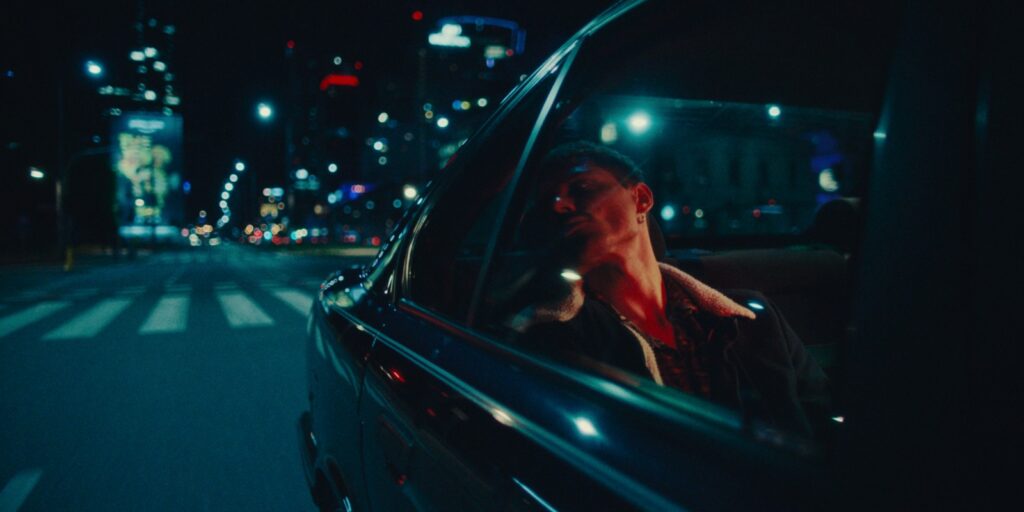
Richard Kranzin: Finding The Beauty In Yourself
Words Tom Veréb Czibolya
Photography Richard Kranzin
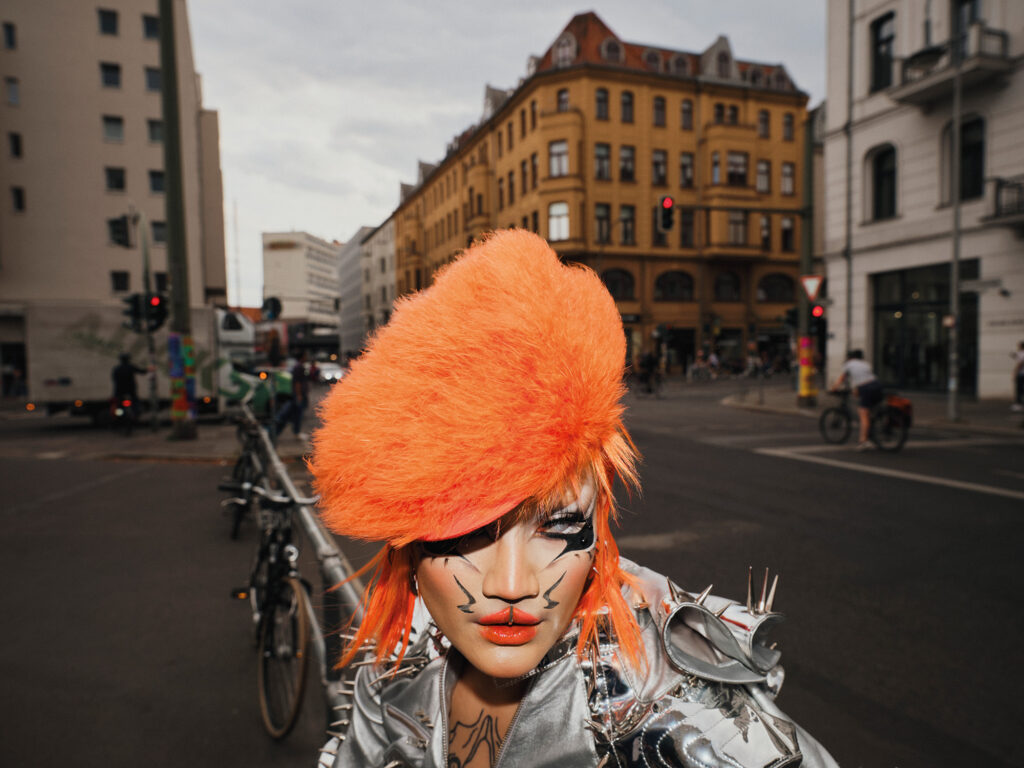
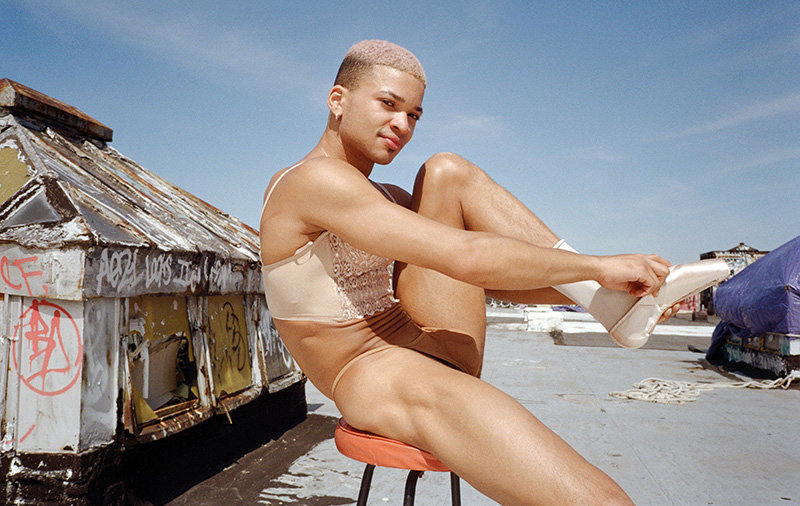
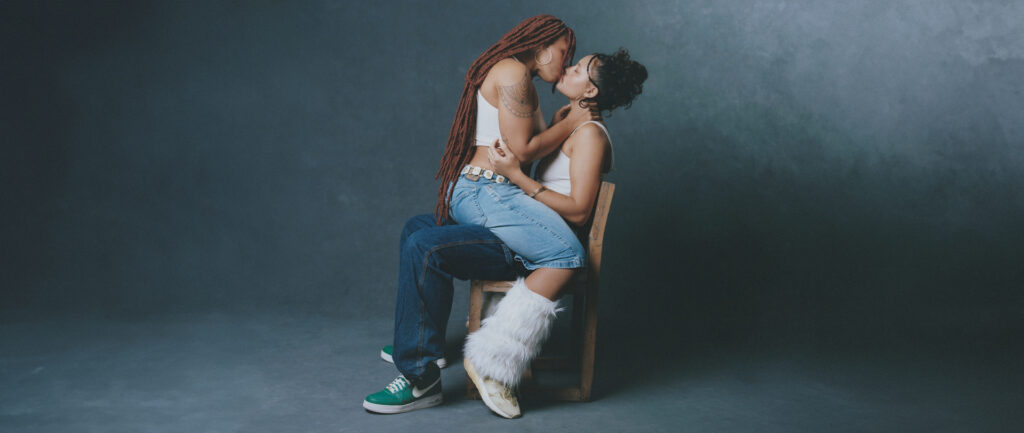
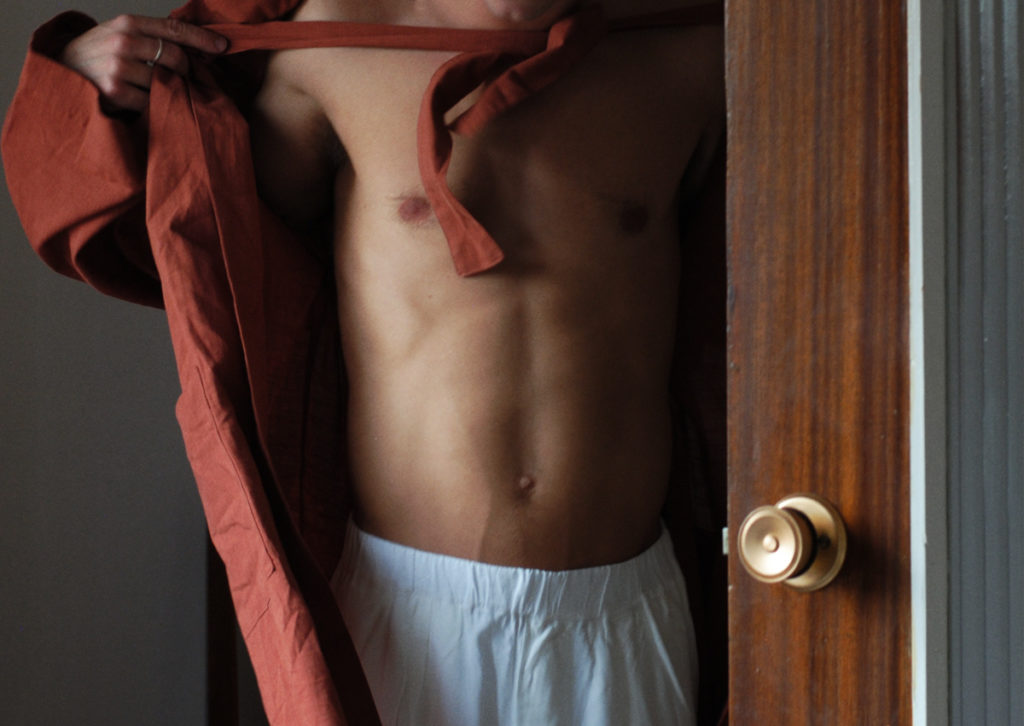
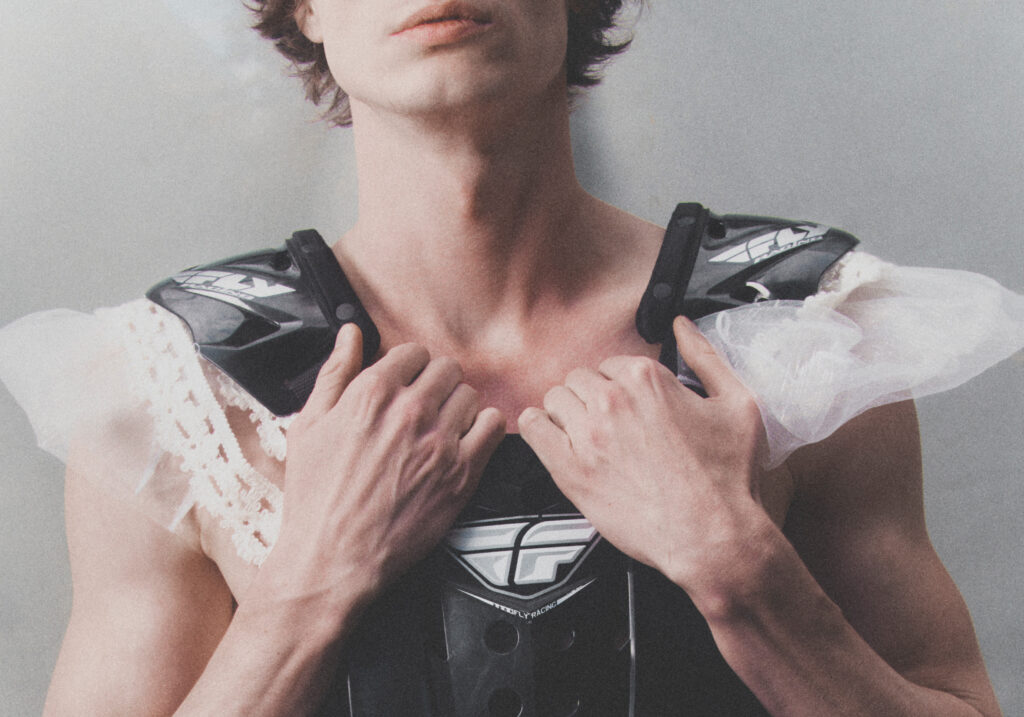
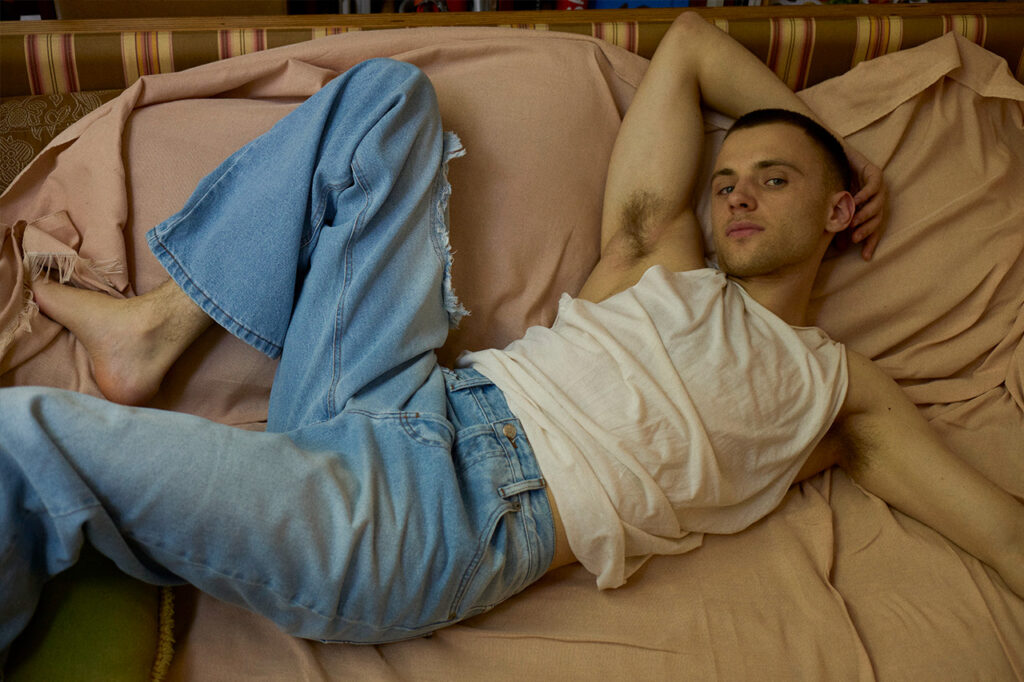
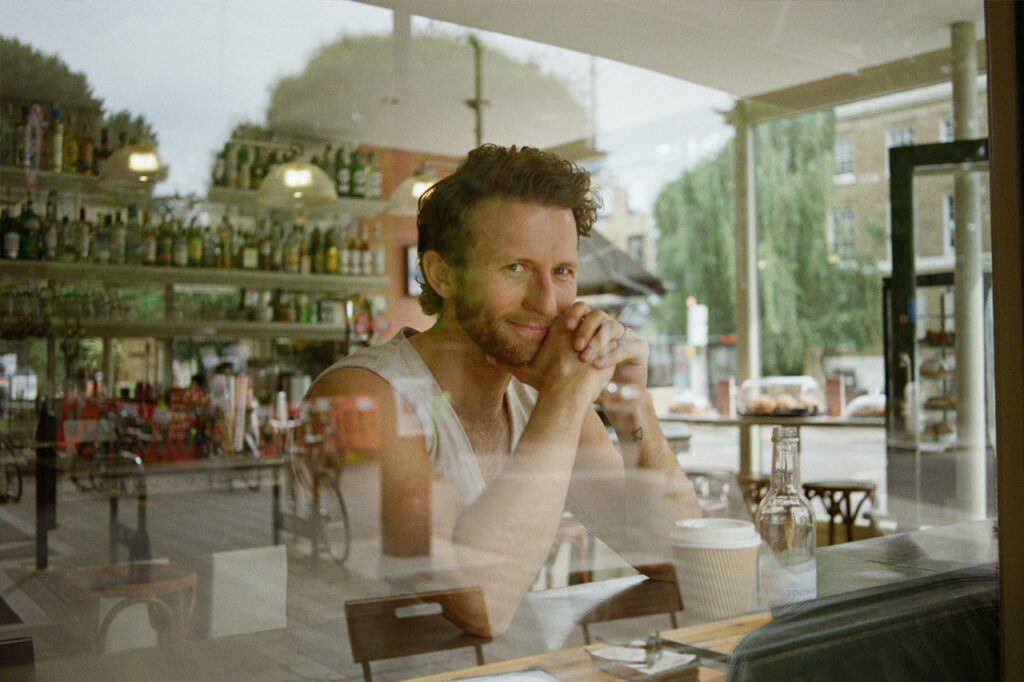
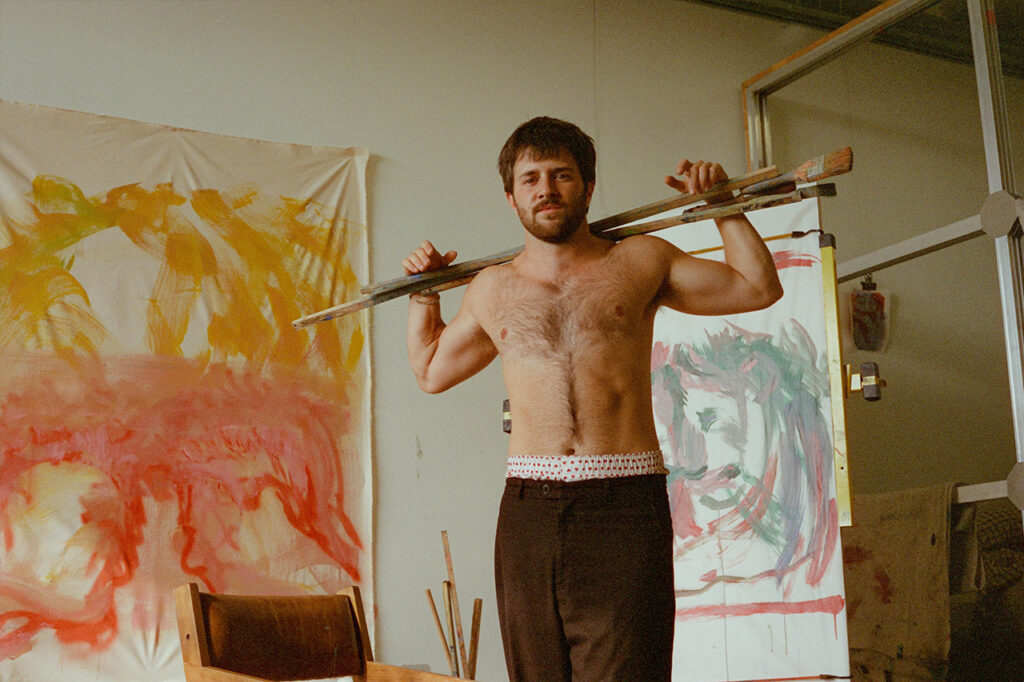
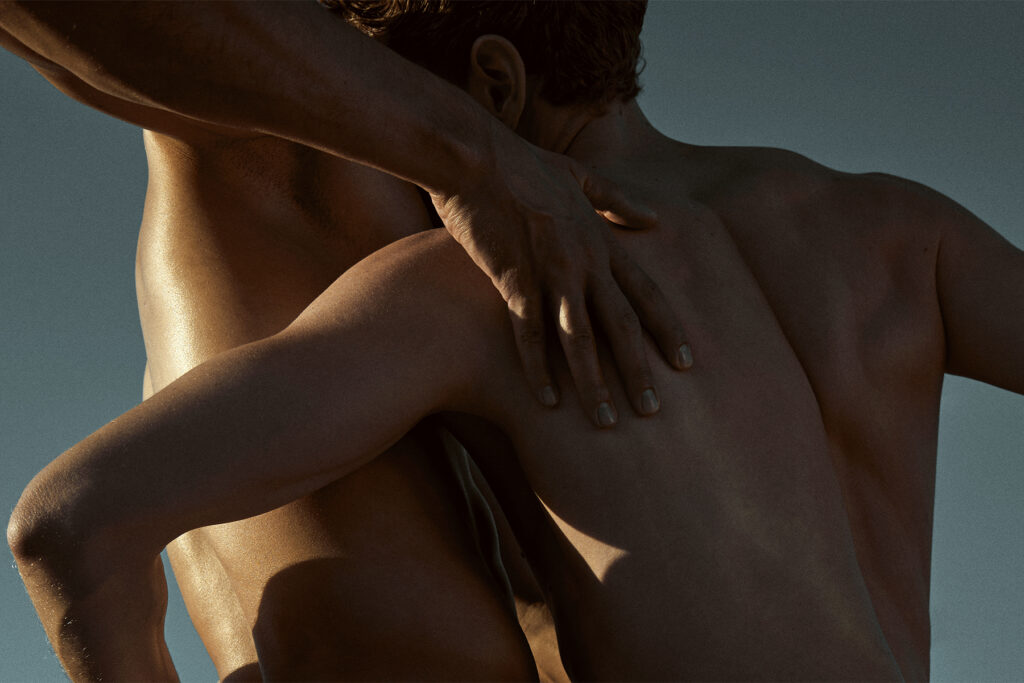
We are living through a time of extreme acceleration – no wonder that many of us are seeking nostalgia, the revival of seemingly simpler times through a past that feels stable and human. For years, Berlin photographer Richard Kranzin has explored intimacy, masculinity, longing, and human connection through his photography. His images offer relief from a hyper-synthetic, algorithm-driven present, taking us back into a forgotten place of calmness and sophistication where intimacy thrives. In conversation with Container Love, we talked with Richard about acceptance, vulnerability, nostalgia, INTERIOR, and the search for connection in a rapidly shifting world.

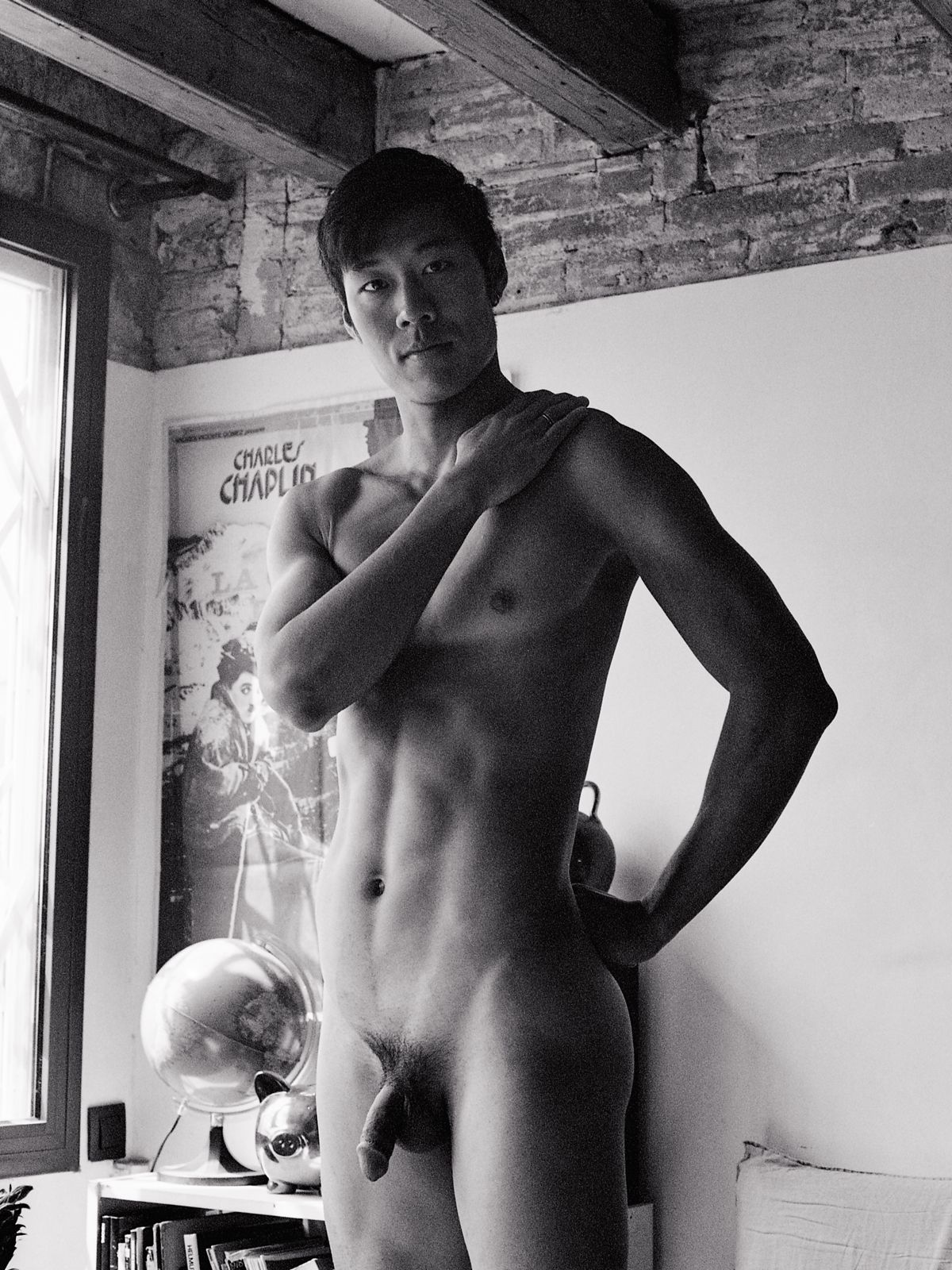
What does it mean to be seen without judgment?
Not being judged for who you are on the inside and outside, being seen and heard, no matter what. That is something only your closest loved ones might be able to do.
What makes someone forget the camera is there?
As a photographer and director, it’s always a goal to create a world within the realm of the shoot. It helps to find a good music playlist, give the model a task to do, ask them questions, or tell them stories, so they can enter a state of authenticity and the shoot itself happens almost alongside the conversation between me and the model.
What does it take for someone to truly feel safe in front of your camera?
I learned that a clear and transparent discussion about the style and theme of the shoot helps. Especially when nudity is involved, there should be an open conversation and mood boards beforehand, so the model feels safe within the boundaries set for the shoot. I also sign agreements with each model, so they can feel safe about publication and know that I am taking my work seriously. All of that definitely helps to build a trusting environment for the kind of work I do.
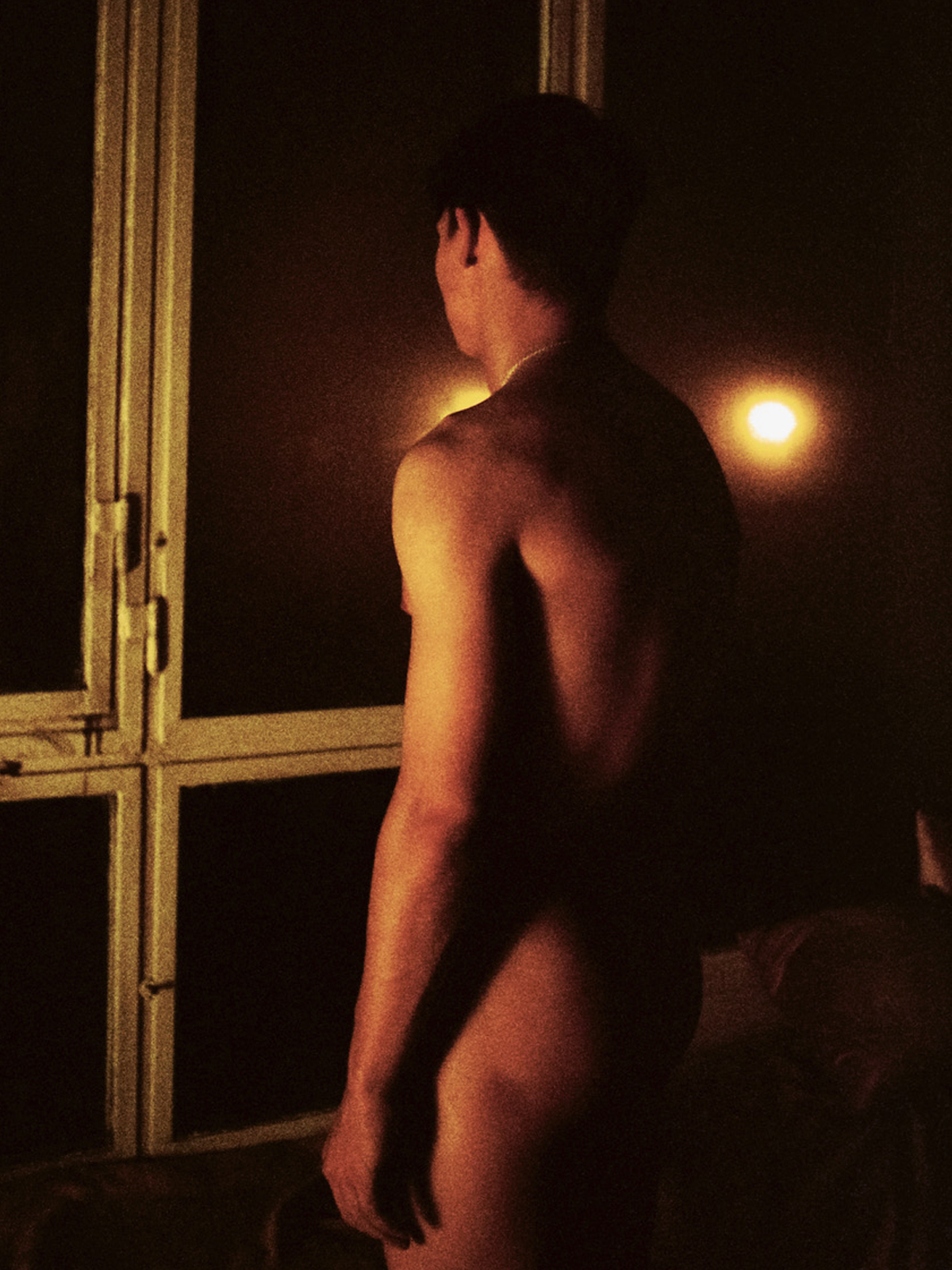
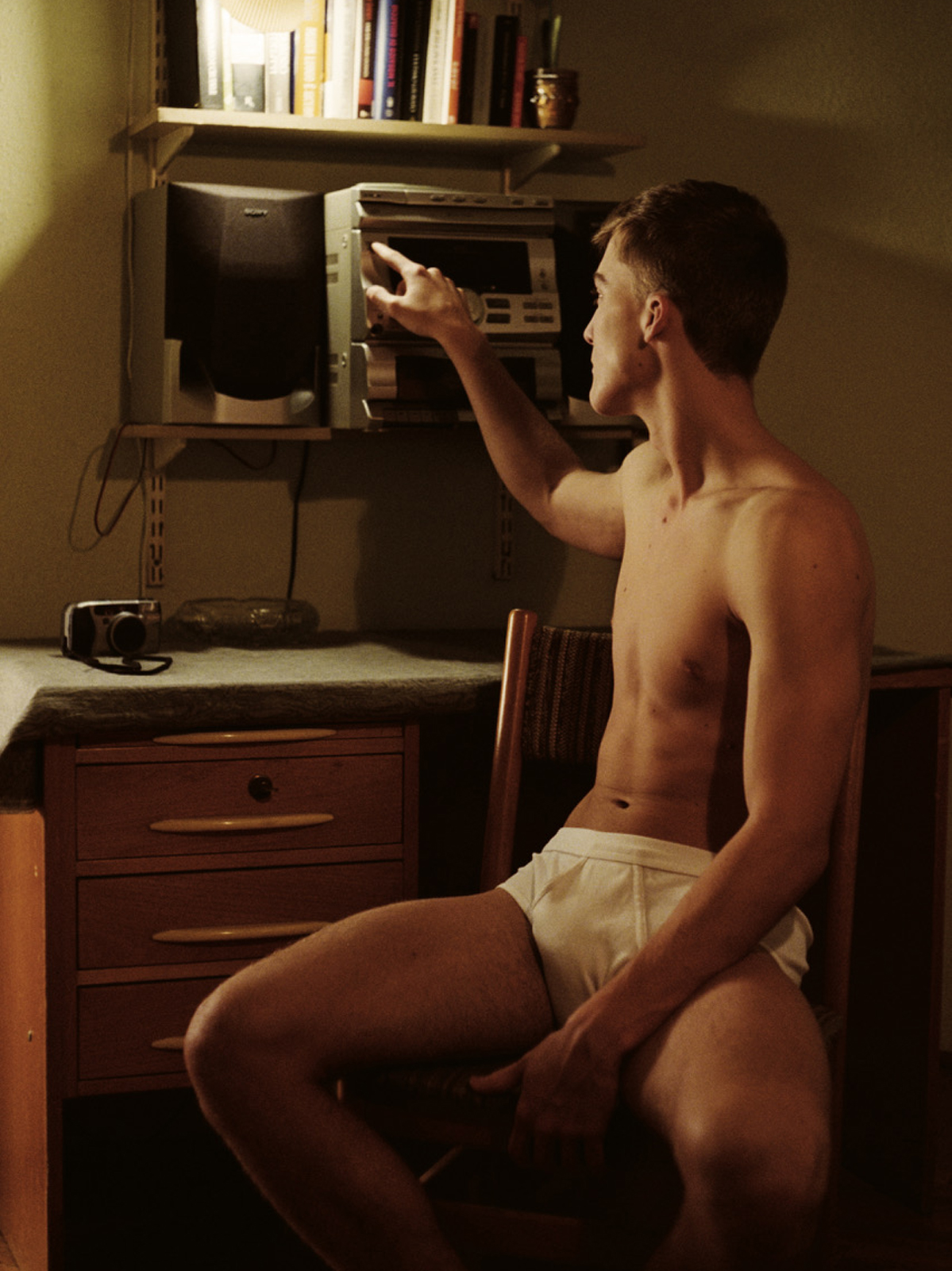
How does emotional security change the way we see ourselves?
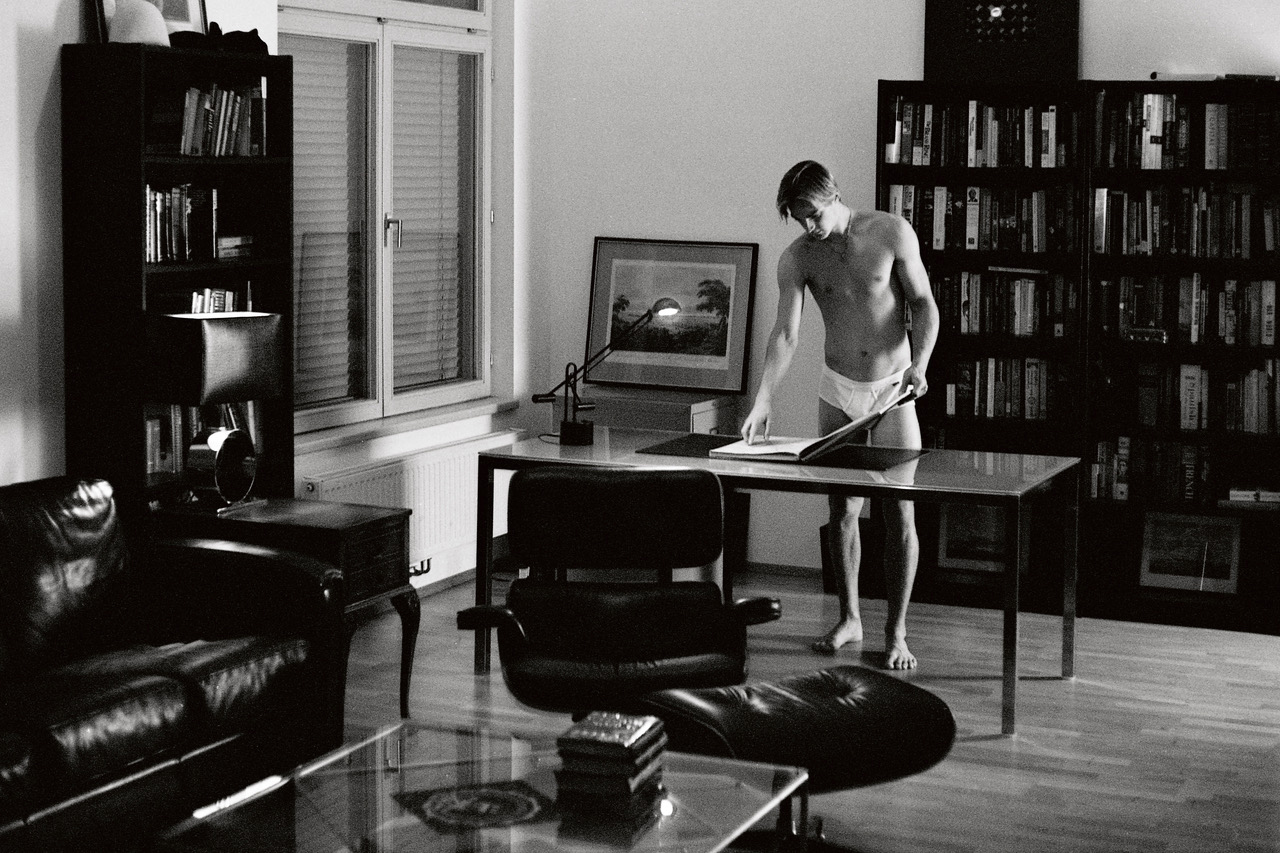
I tend to think that the home we create for ourselves always has a very liberating and protective atmosphere. Being free, naked, and uninhibited feels very easy when you are at home. That’s why I found it an interesting challenge to recreate this atmosphere in my book INTERIOR.
When do you notice that someone you photograph begins to relax and lets their guard down?
It’s the moment when they stop posing for the camera, when they don’t care about it anymore. This also makes me feel much more inspired and present, as a shoot becomes more casual – just hanging out and talking. That’s when the truly authentic moments happen.
What made you build your imagery on intimacy?
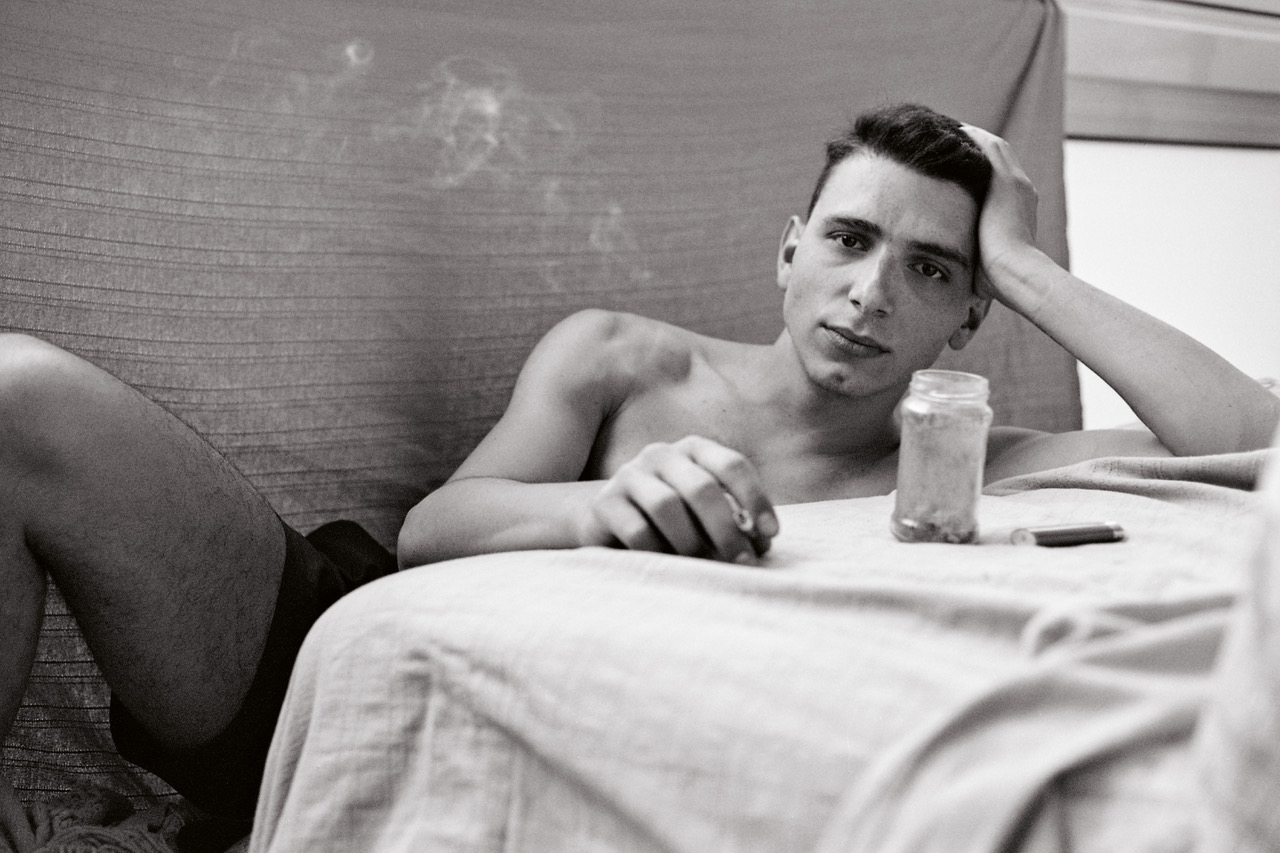
I guess it was my own desire for that closeness and love. I wanted to feel accepted and loved, by myself, too. Maybe I was also drawn to certain body types because I wanted to look like them. I found beauty in the models that I couldn’t find in myself. I shot romantic moments of closeness that I was missing from my own life. So there is a lot of longing, desire, and unfulfilled dreams that I drew my inspiration from.
“I found beauty in the models that I couldn’t find in myself. I shot romantic moments of closeness that I was missing from my own life.”
Is that what draws you to this nostalgic emotional space?
It’s pretty much a melancholy that I carry deep within me. Feeling sad or never enough can really drag you down. To me, shooting those kinds of dreamy, nostalgic photos is an outlet to express those feelings. I’m definitely someone who is more drawn to the past than the future.
Your pictures feel like memories, softening the reality of the past. Why can that be?
I think humans are very trained in repressing bad memories and only keeping the good ones. That’s why the past is often romanticized. It’s also about getting older. Life gets more serious the older you get. So, looking back can be a soft, gentle remembrance of times that felt easier and freer. That’s why I choose younger models to represent that image of youth and carelessness. In a way, I like to tell coming-of-age stories.
Talking about coming-of-age, what ideas of masculinity shaped you the most as you were growing up?
Having a real macho father definitely influenced my idea of what a man is supposed to be. Stereotypical attributes like strength, aggressiveness, talking down to women, and being sexist – all of that was visible to me every day at home and at school. I was lucky that TV and movies helped me see different types of masculinity. I also found male friends who were like-minded, but once you didn’t fit those stereotypes, you became an outcast. That’s why most of my friends are female to this day.

What changed when you started feeling safe enough to be yourself?
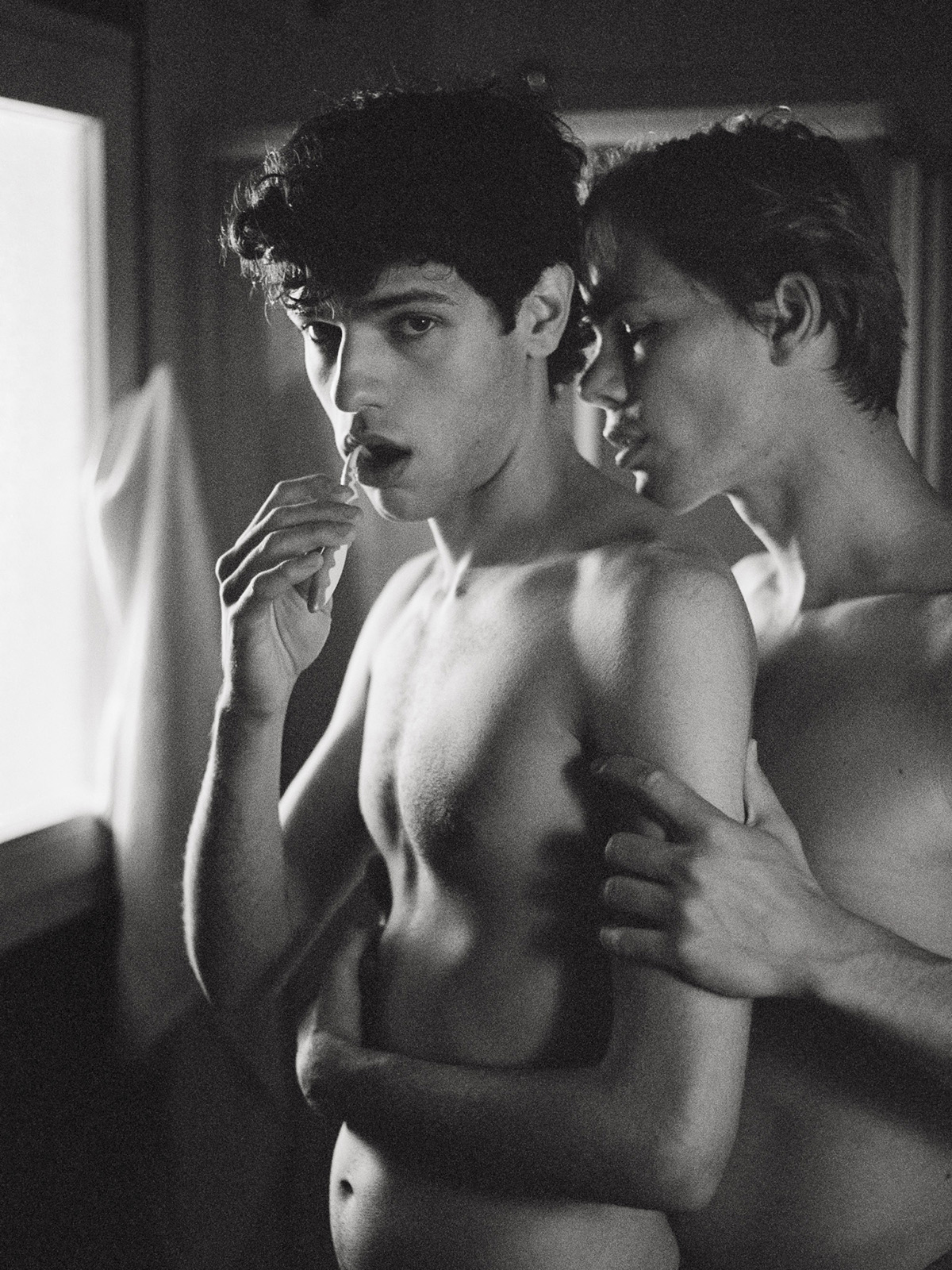
I think that’s when life actually begins. When you can be your genuine self without doubt or hesitation, happiness and fulfillment follow. Any situation in which someone has to mask, pretend to be someone else, and not be their true self harms personal growth. I became more myself once I actively chose not to accept people in my life anymore who made me feel like I had to put on an act for them.
Do you think being truly seen is another form of love?
Yes. Being truly seen by family, friends, and loved ones is a blessing and the strongest form of love in my eyes.

How easy it is to invite people into a space where they can feel safe, seen, and accepted?
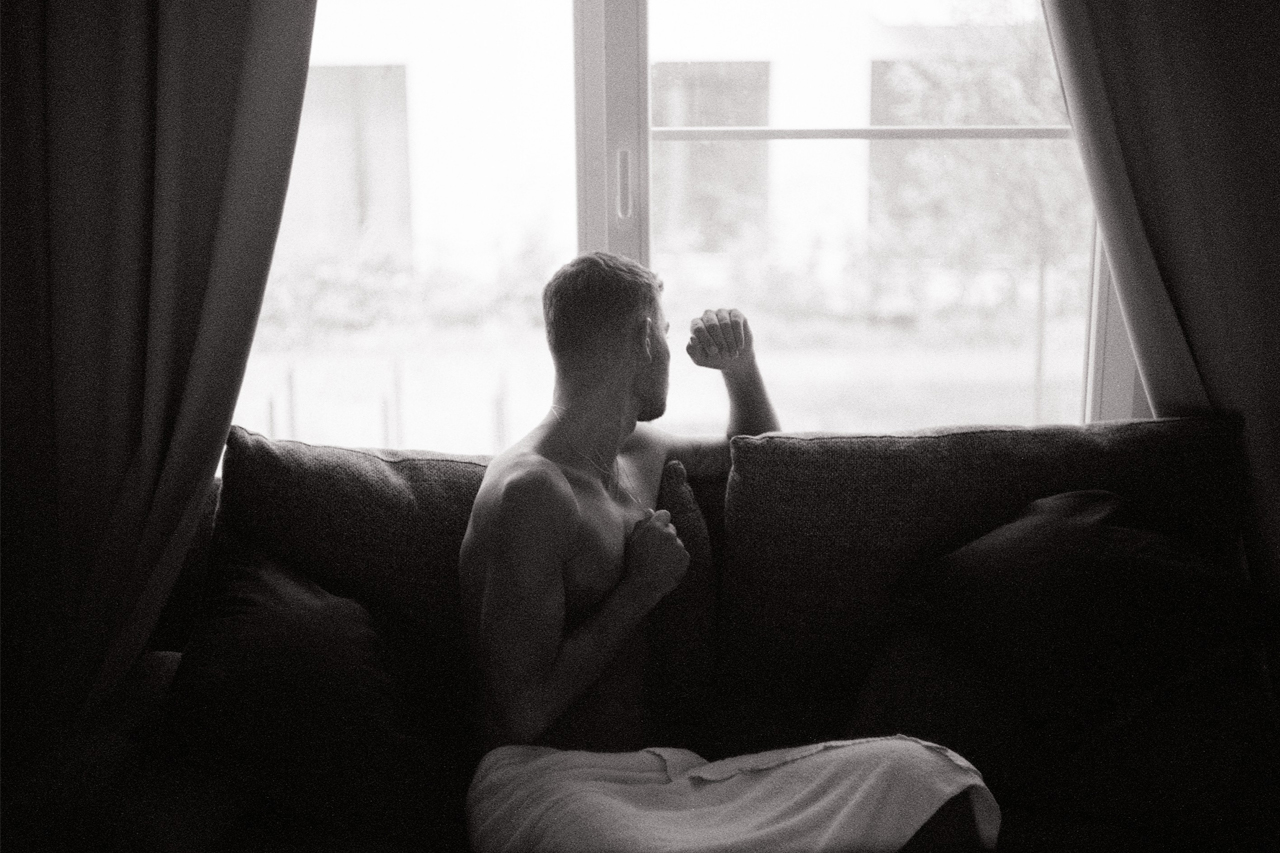
It comes with a responsibility. Creating a safe space is the most important and most challenging part of my work as a photographer and director. To be able to do that, I also have to enter that space with complete authenticity. I’m being truly myself, opening up, talking about my thoughts, fears, and desires. I make myself vulnerable in that situation as well, and I guess that really creates this safe space for my models and actors to open up, too.
Read more Related Posts

Check out more categories