Ryan Robichaux: The Thing That Keeps Carrying Us
Photography Sam Ramirez
Words Tom Veréb Czibolya
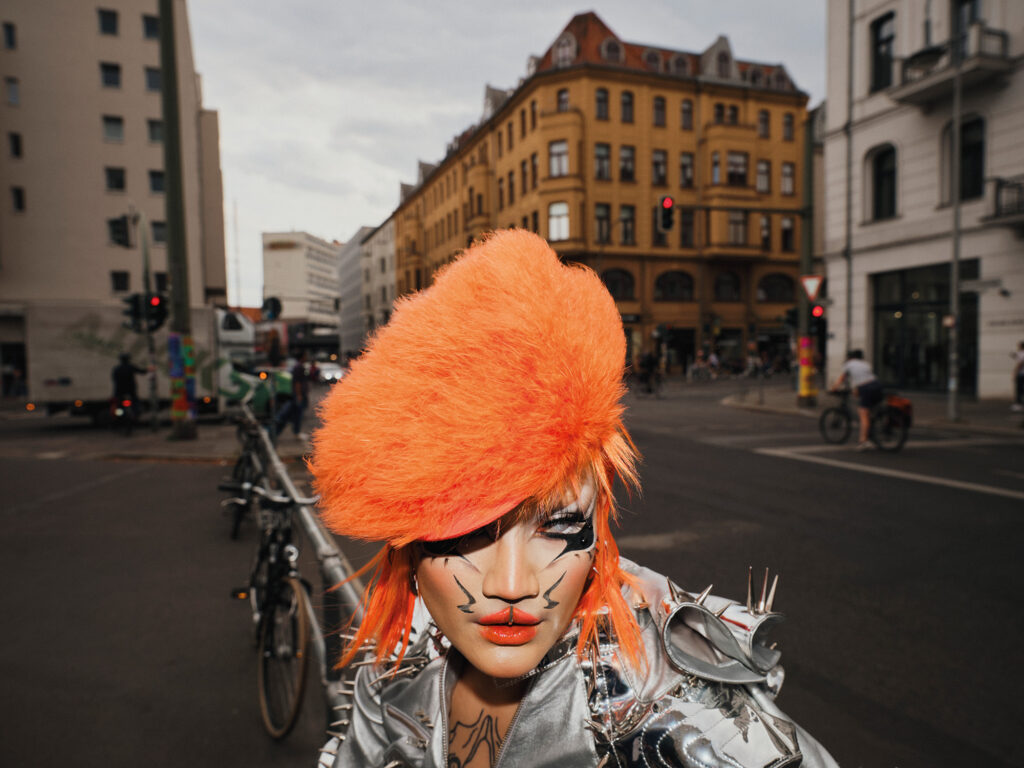
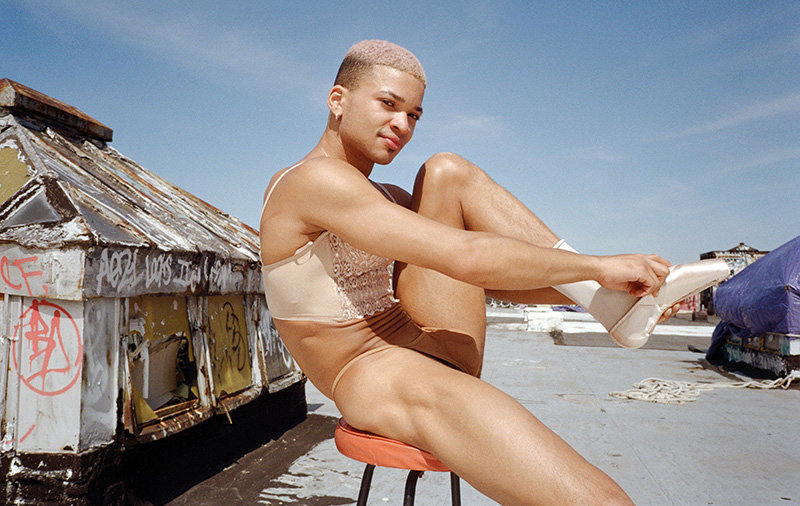
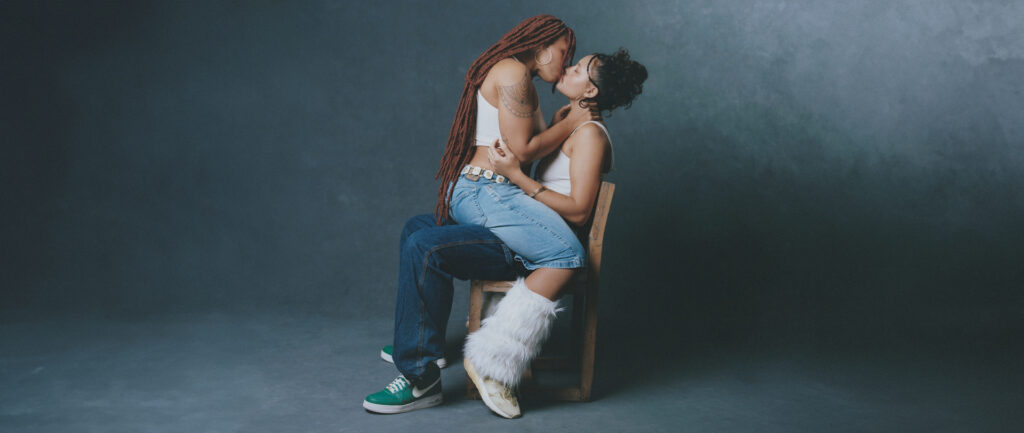
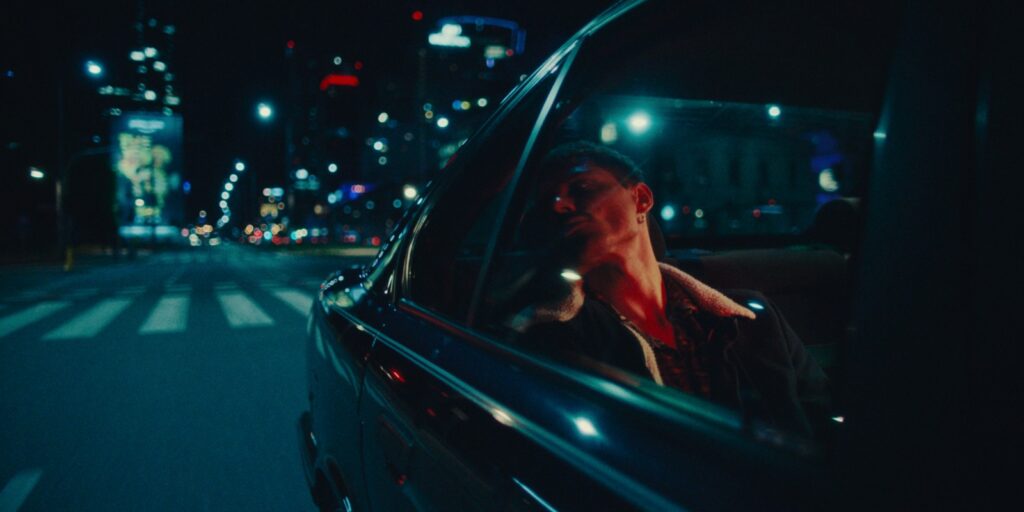
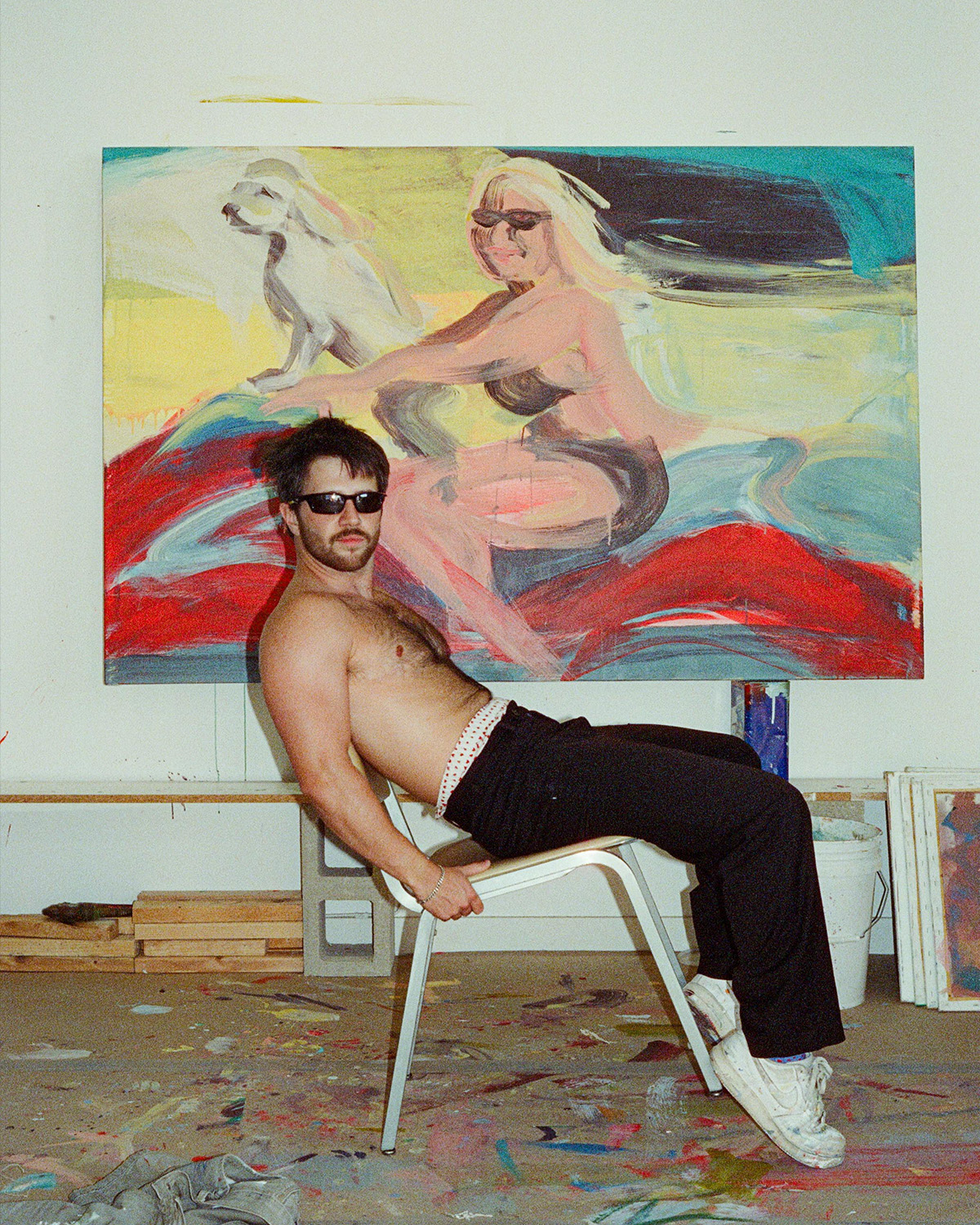
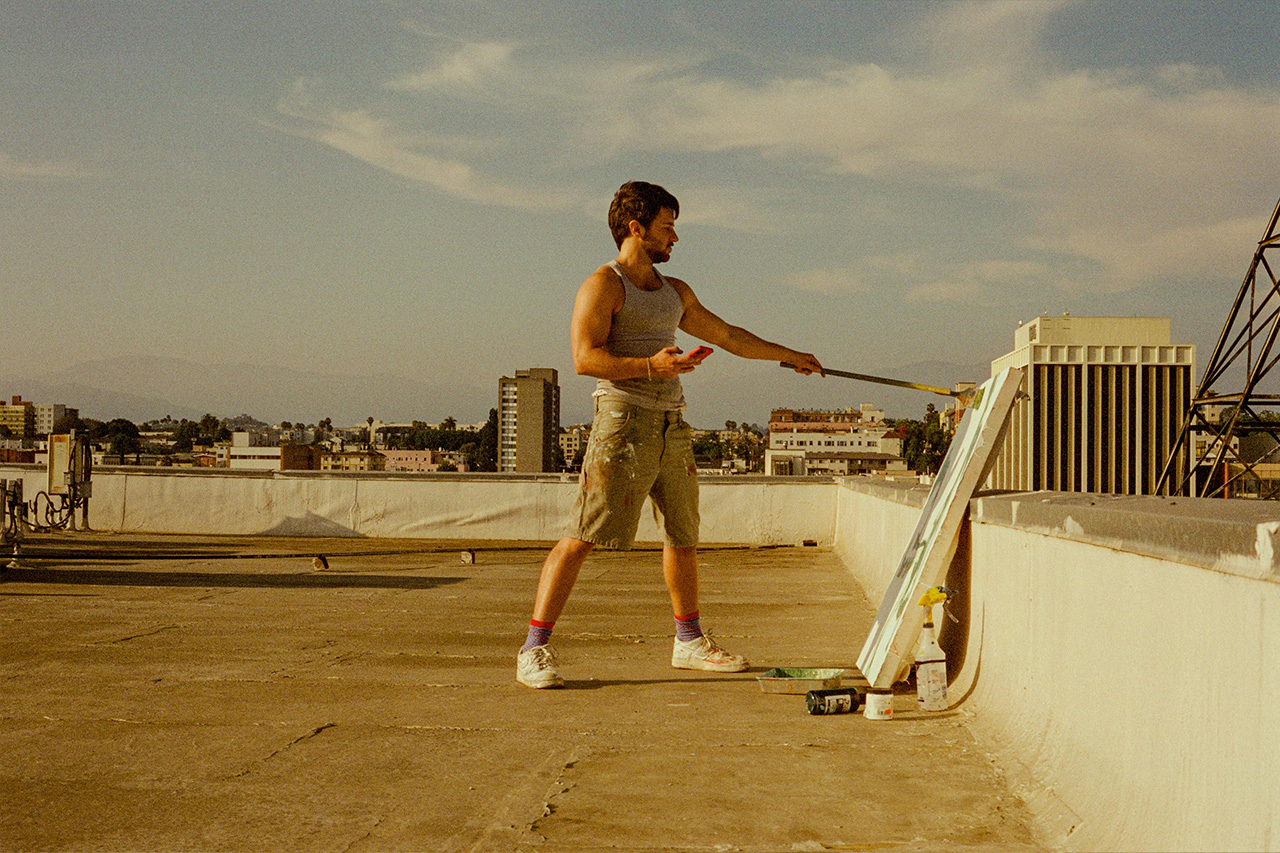
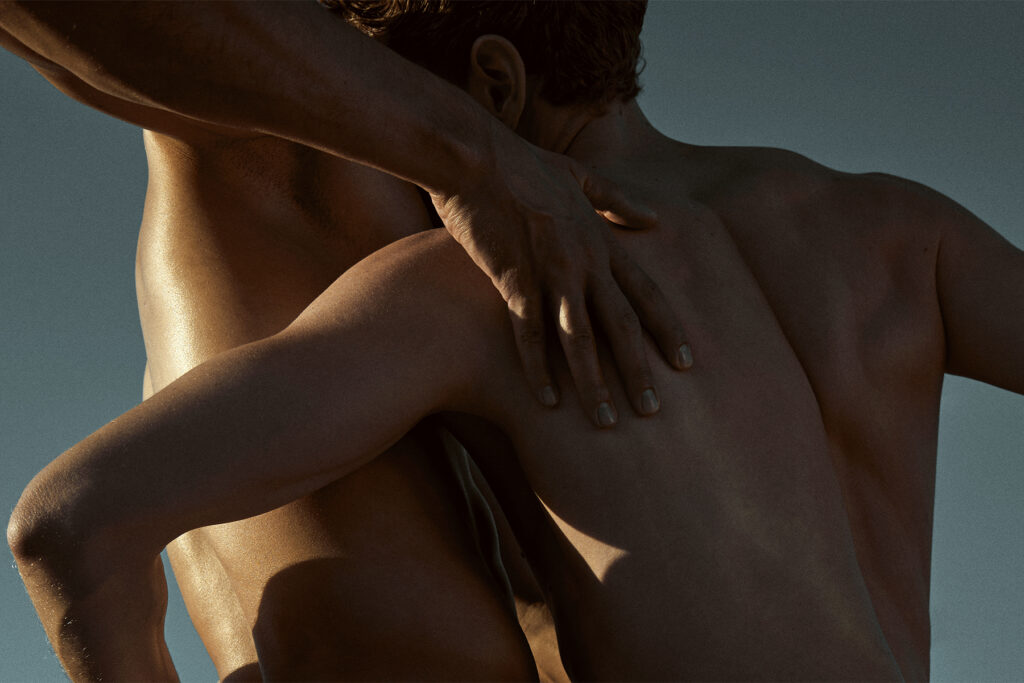
Dreams can die as fast as they’re born, but resilience cuts through – Los Angeles-based painter Ryan Robichaux welcomes photographer Sam Ramirez and Container Love to his studio that doubles as his home. Ryan tells about growing up trans in Texas, the magical ability to forget and relearn, and how letting go of rigid ideas can benefit artworks and relationships alike.
Photographer Sam Ramirez, Creative Direction Christian Ruess, Talents Ryan Robichaux, Words Tom Veréb Czibolya
Growing up in Texas – a place often known for its strong communities and traditional values. Is there anything from your childhood or youth that continues to inspire or shape you today? Were there moments early on when you realized that certain expectations or norms didn’t quite fit with your own path?
Growing up trans in that environment demanded learning to code-switch and withdraw, out of survival, really. I avoid doing that now since it’s self-dampening, but I use the observational skills they developed often within my work. Looking with sensitivity is infinitely inspiring.
You live in Los Angeles now. What does the city mean to you, both artistically and personally? How has it influenced your perspective on your own identity?
I’m paying more attention to a raw side of LA recently; it feels like dreams die here as fast as they’re born. But resilience cuts through. I’ll be having a tough day, and see a woman sobbing on a park bench, and then watch her smile as a baby goose waddles by, and I’m like, “Oh, there it is.” The thing that keeps carrying us is still here.
How would you describe your work to someone who hasn’t encountered it before?
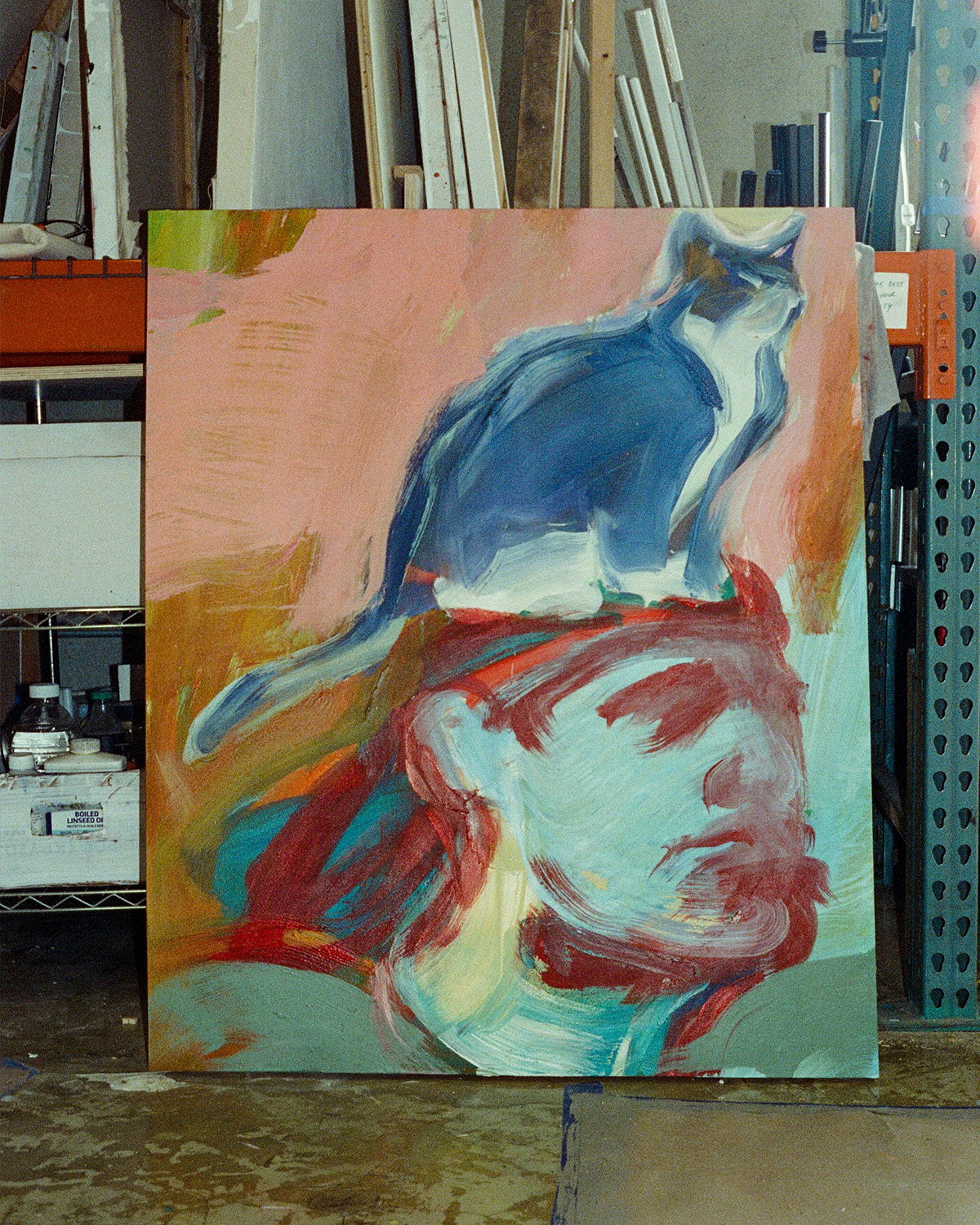
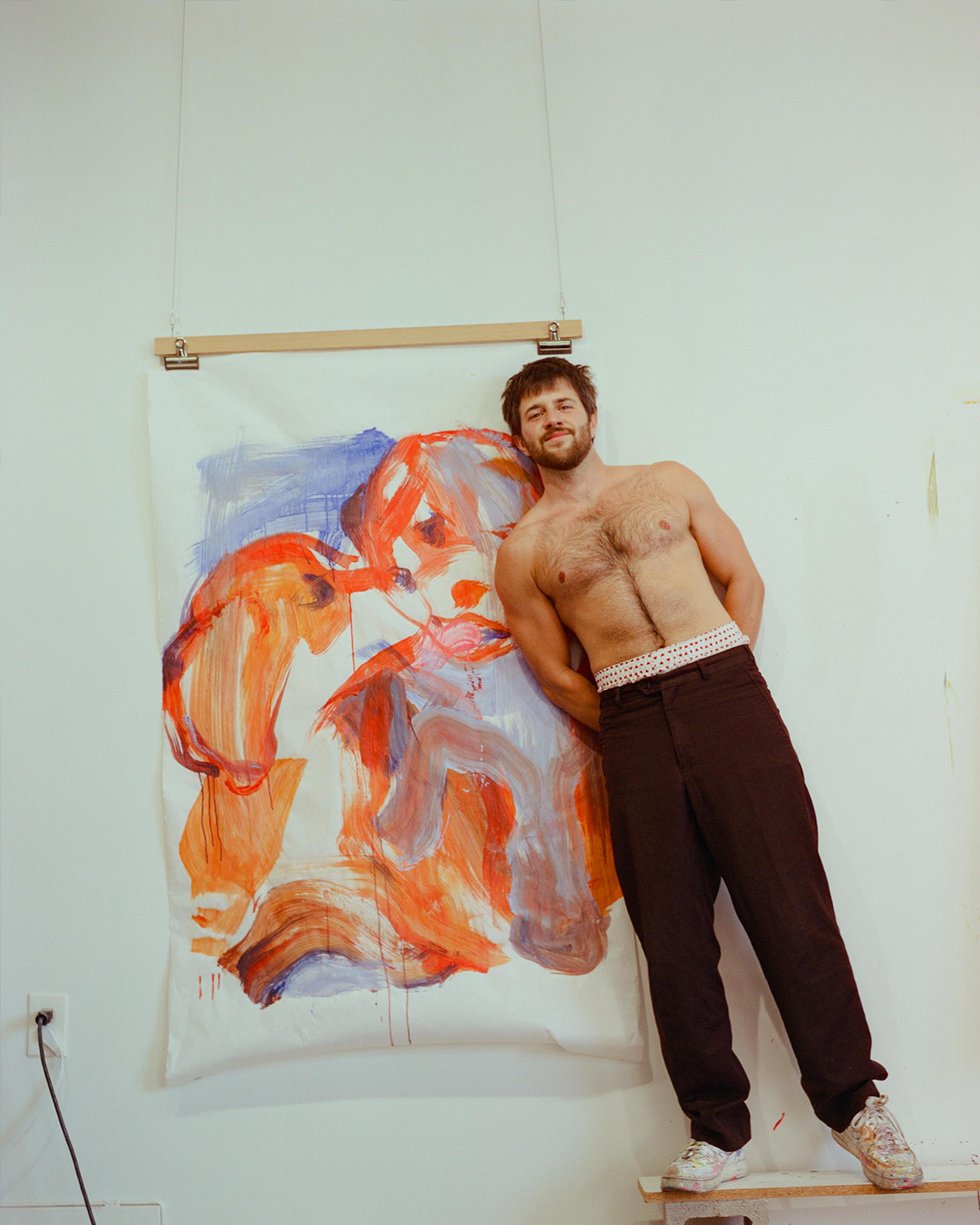
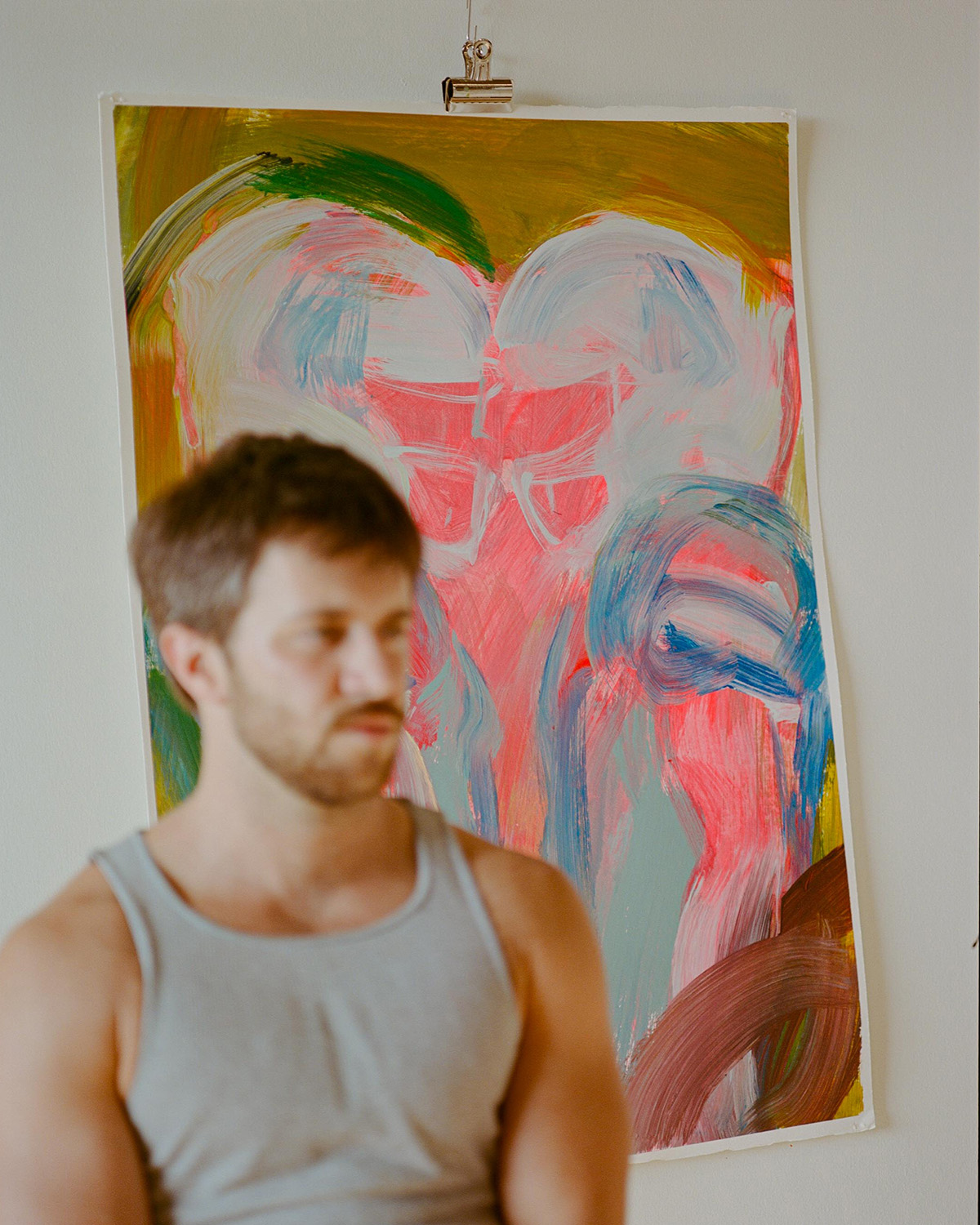
Regardless of the subject, my work usually boils down to some variation of intimacy. Between lovers, friends, animals, even objects. With painting, I try to point at all the different ways we reach out to each other, directly or indirectly.
I’m also fascinated by behaviours. They’re so complex, but also not at all. I never get tired of the novelty when animals behave in a way that reminds you of someone, or when objects look emotive.
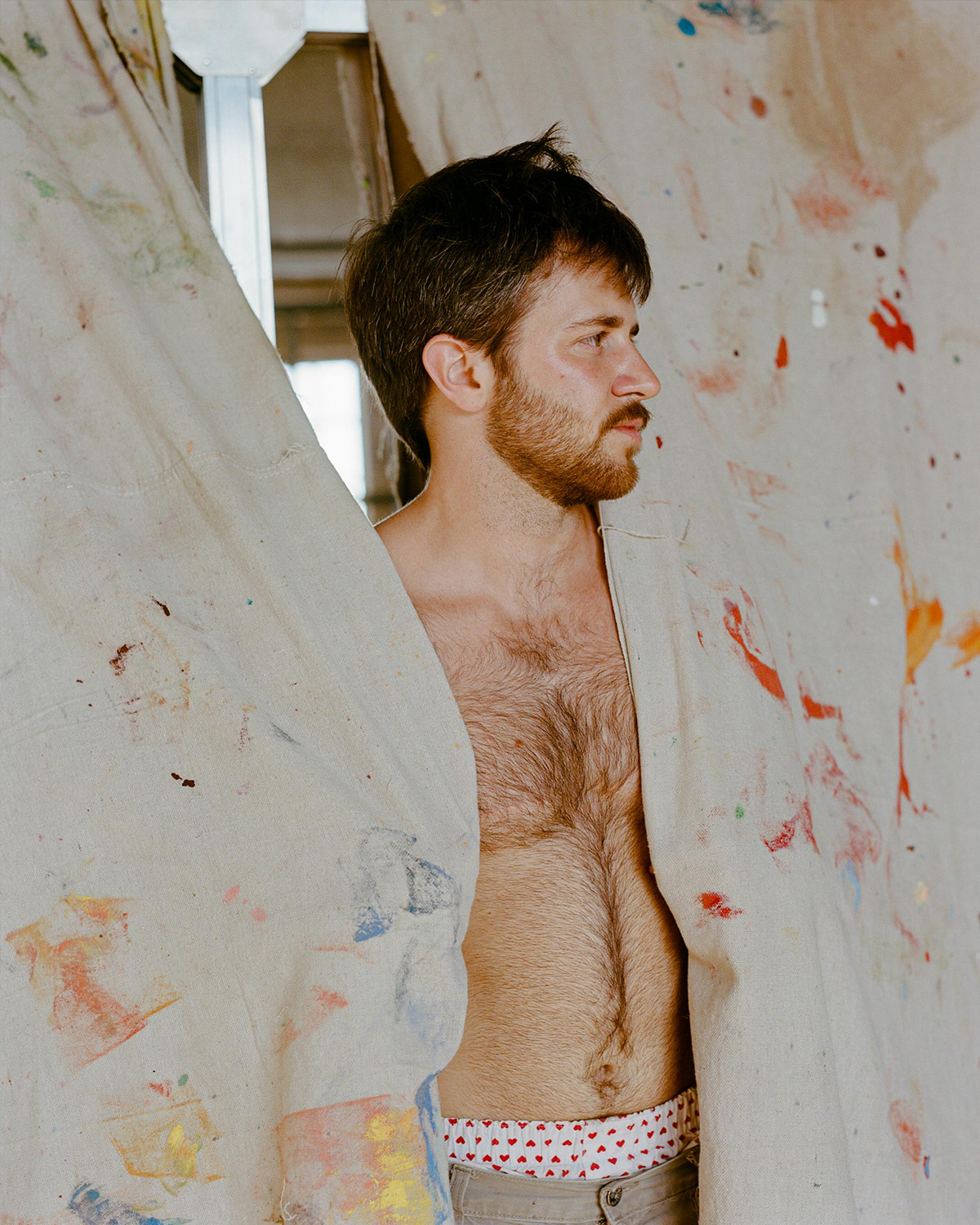
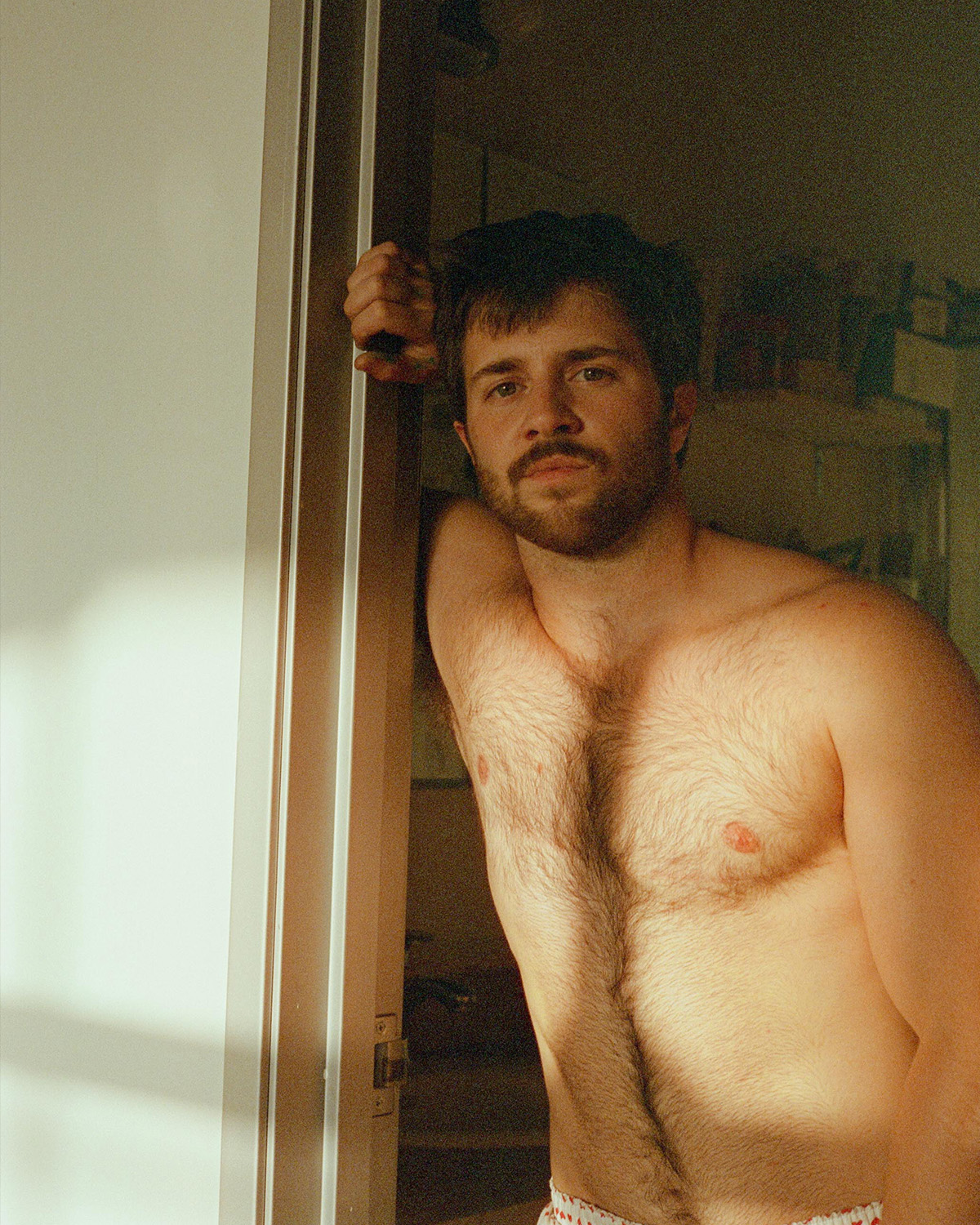
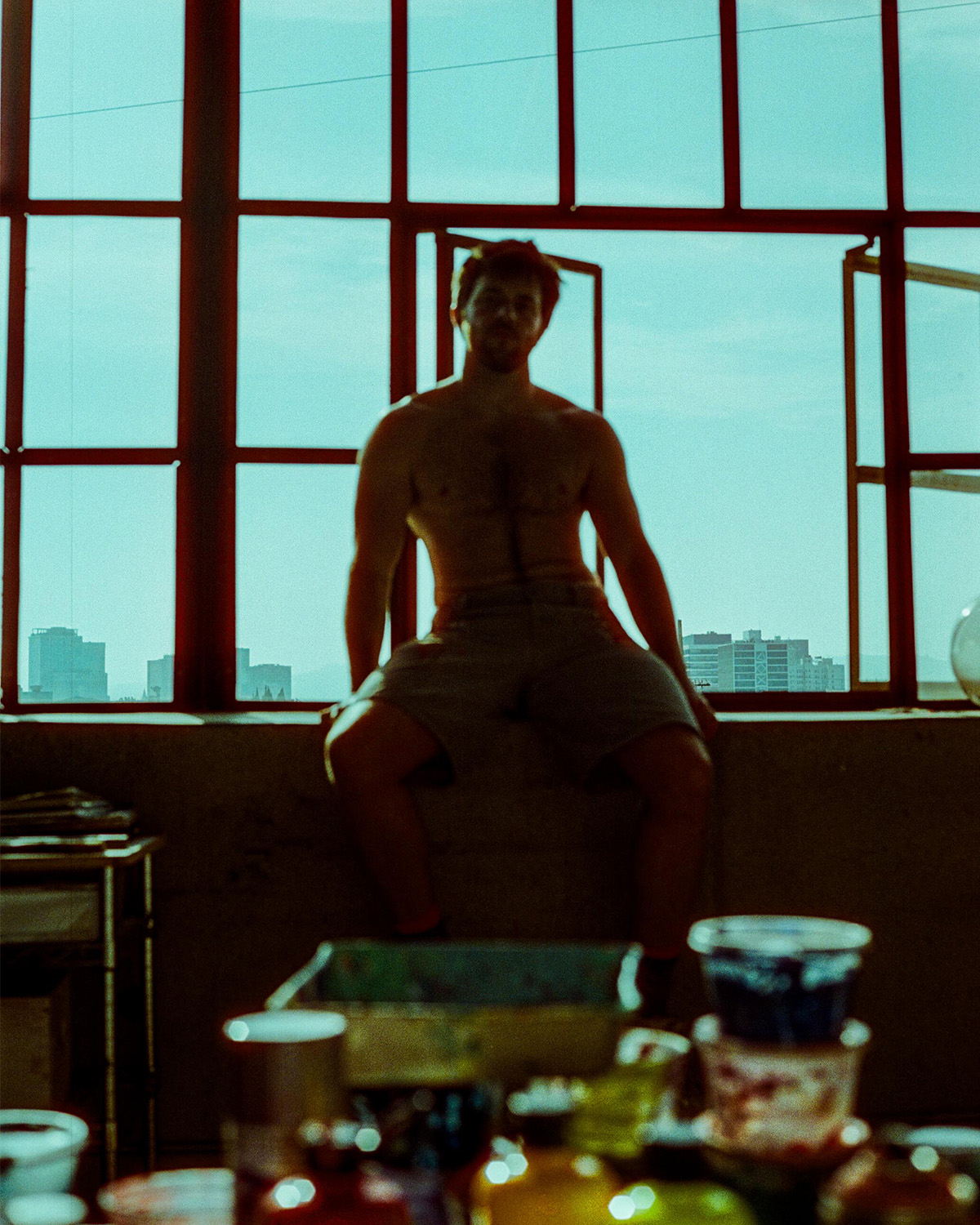
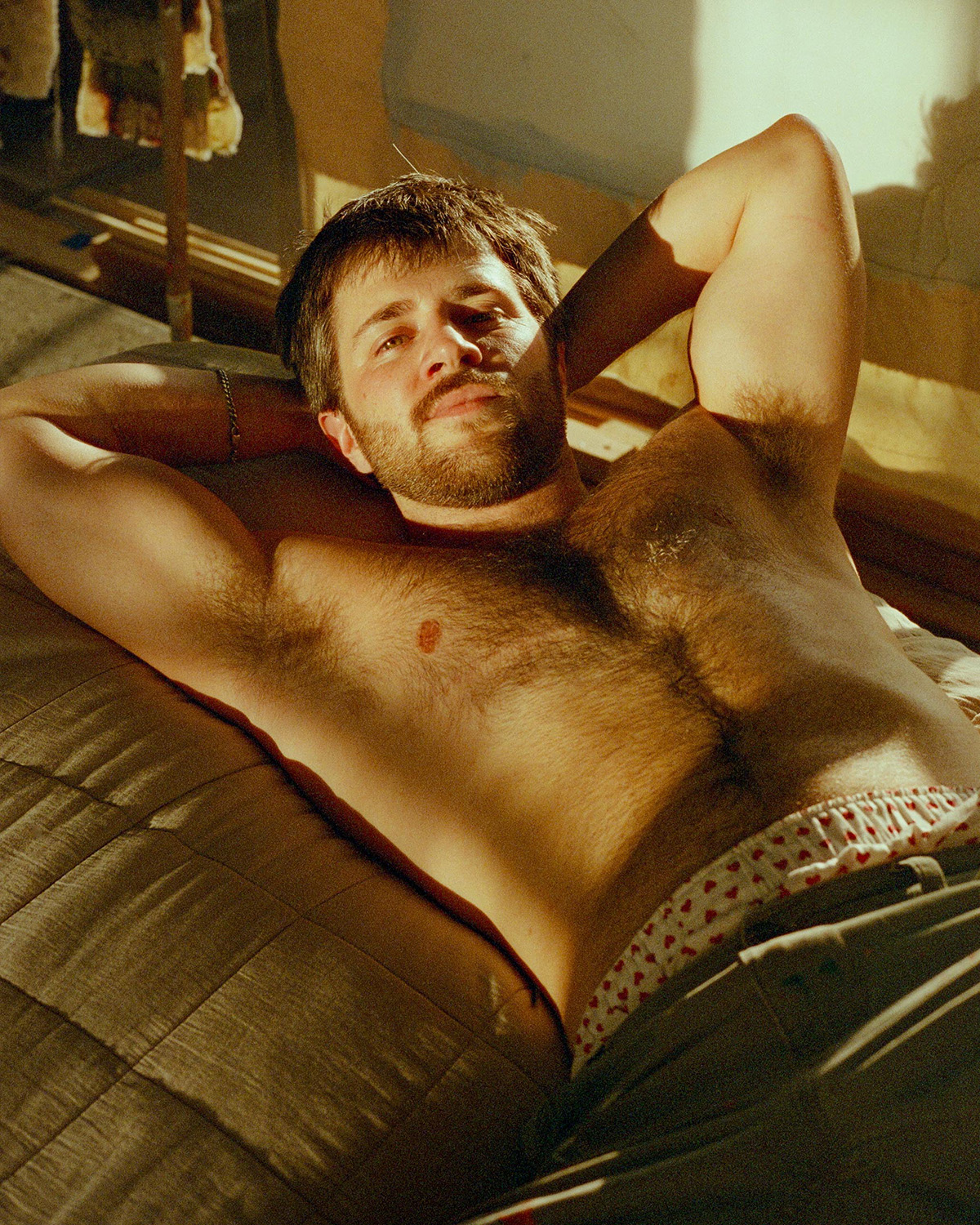
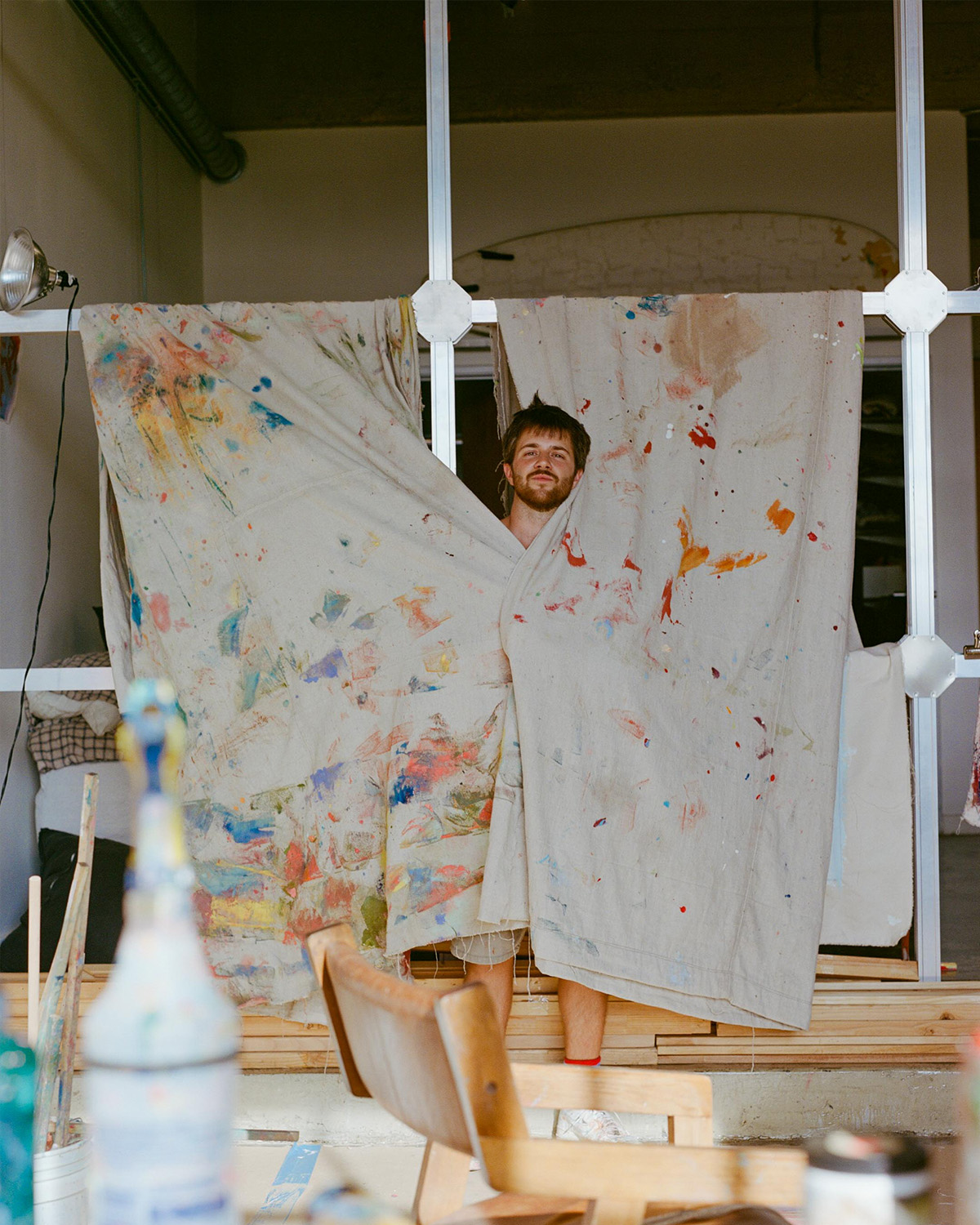
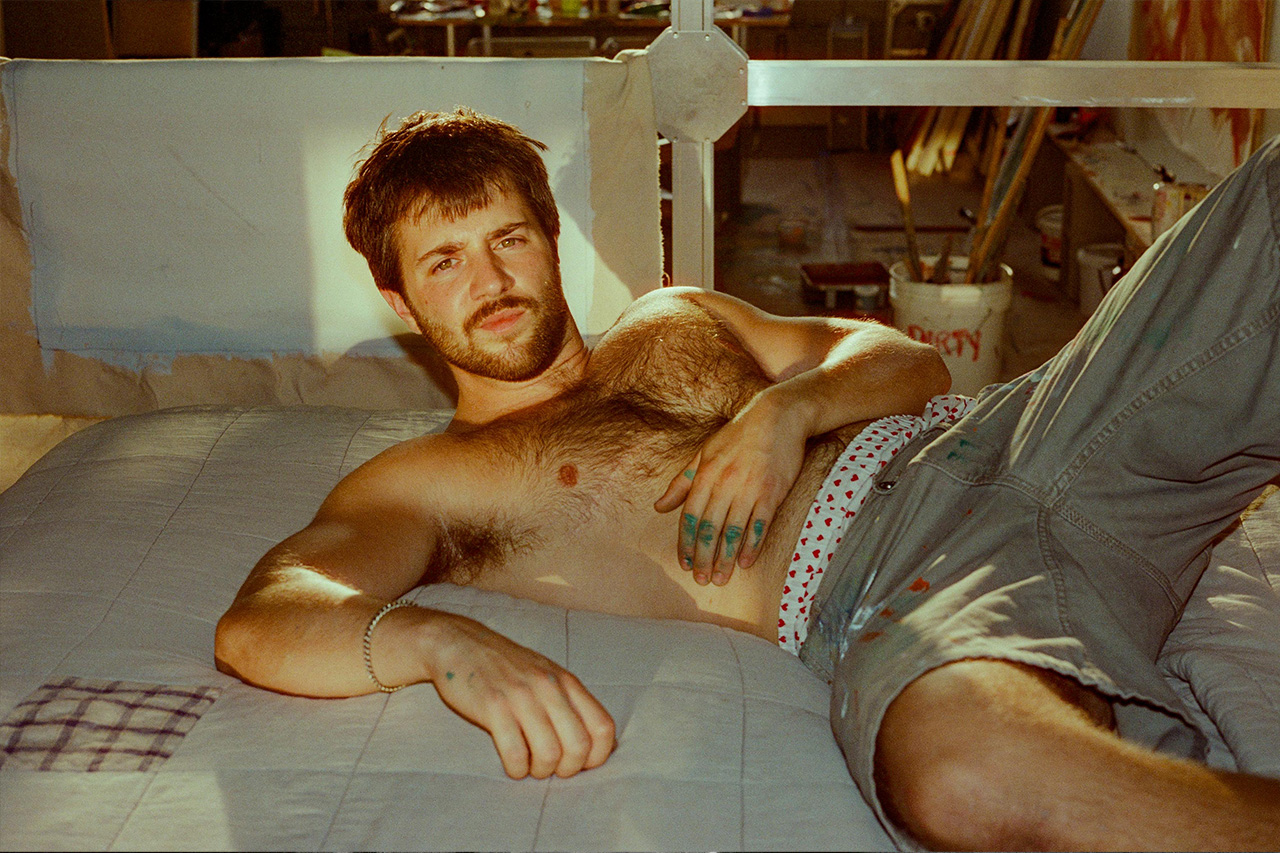
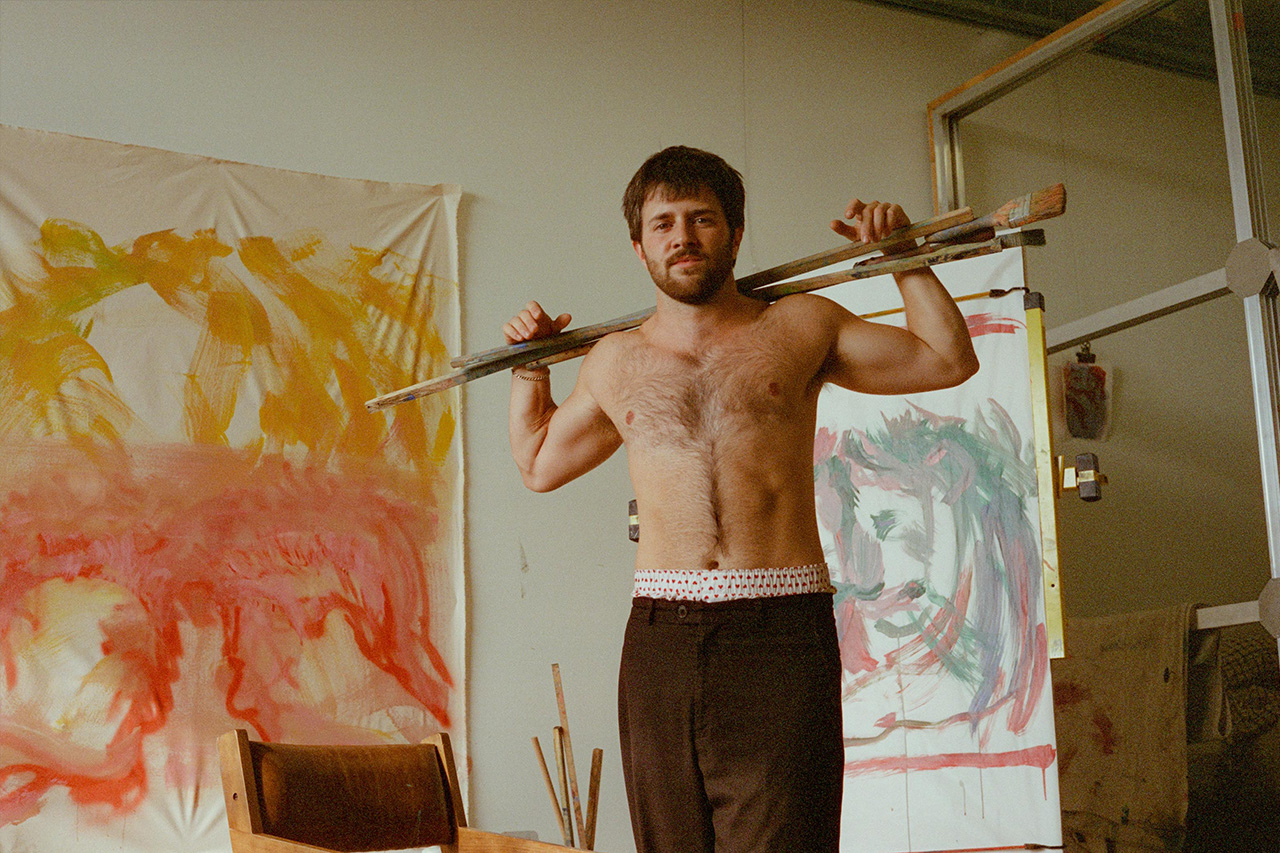
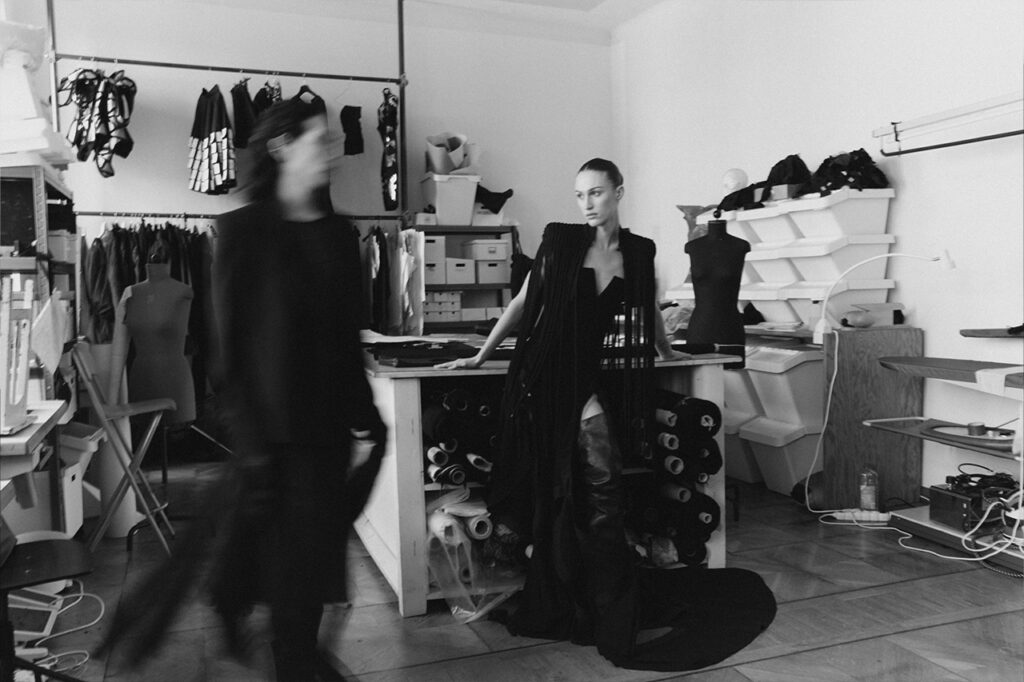
Your photo shoot with Sam Ramirez for this issue took place in the intimate setting of your atelier, which doubles as your home. What did inviting someone into your personal, safe space mean to you?
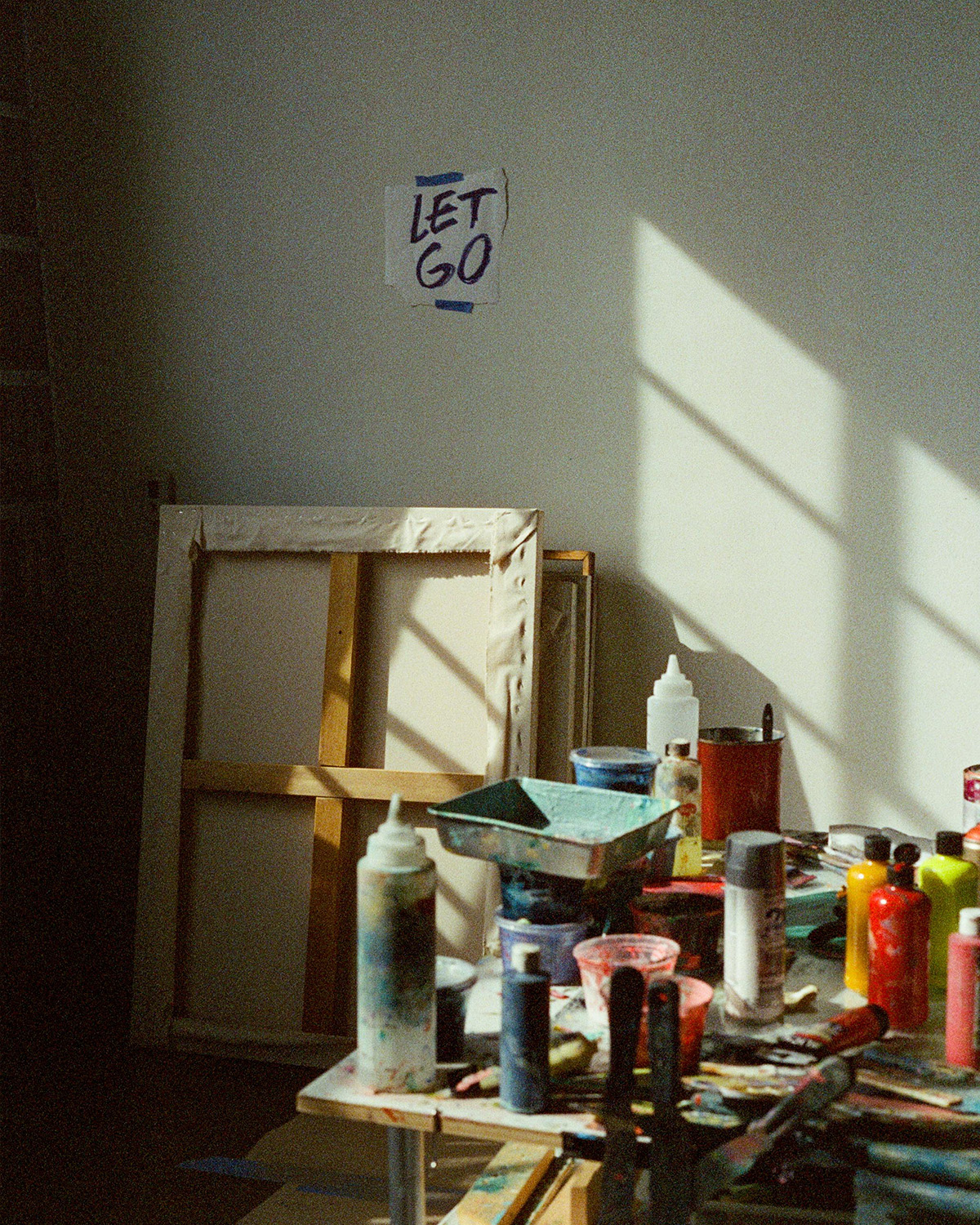
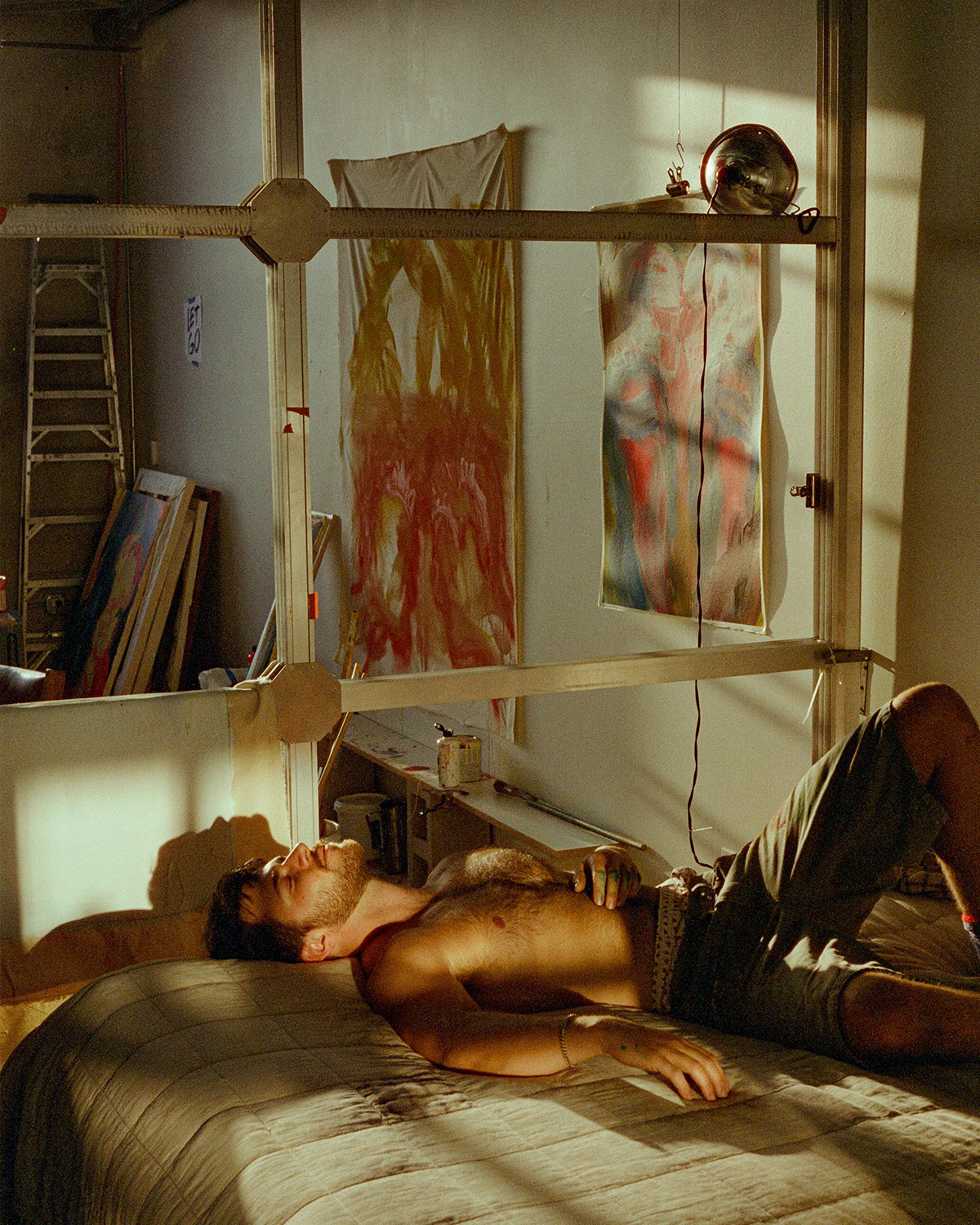
It’s always a rush bringing people in here; it feels like they’re entering my head. A live/work space is so exposing. Piles of dirty laundry, or the way my bookshelf is organized, reveal more about me than the unfinished canvases next to it. But mostly, I love and welcome visitors. I go blind in here and the fresh eyes help me zoom out again.
Can you walk us through your creative process – from inspiration to completion? How much of your identity do you find woven into your art?
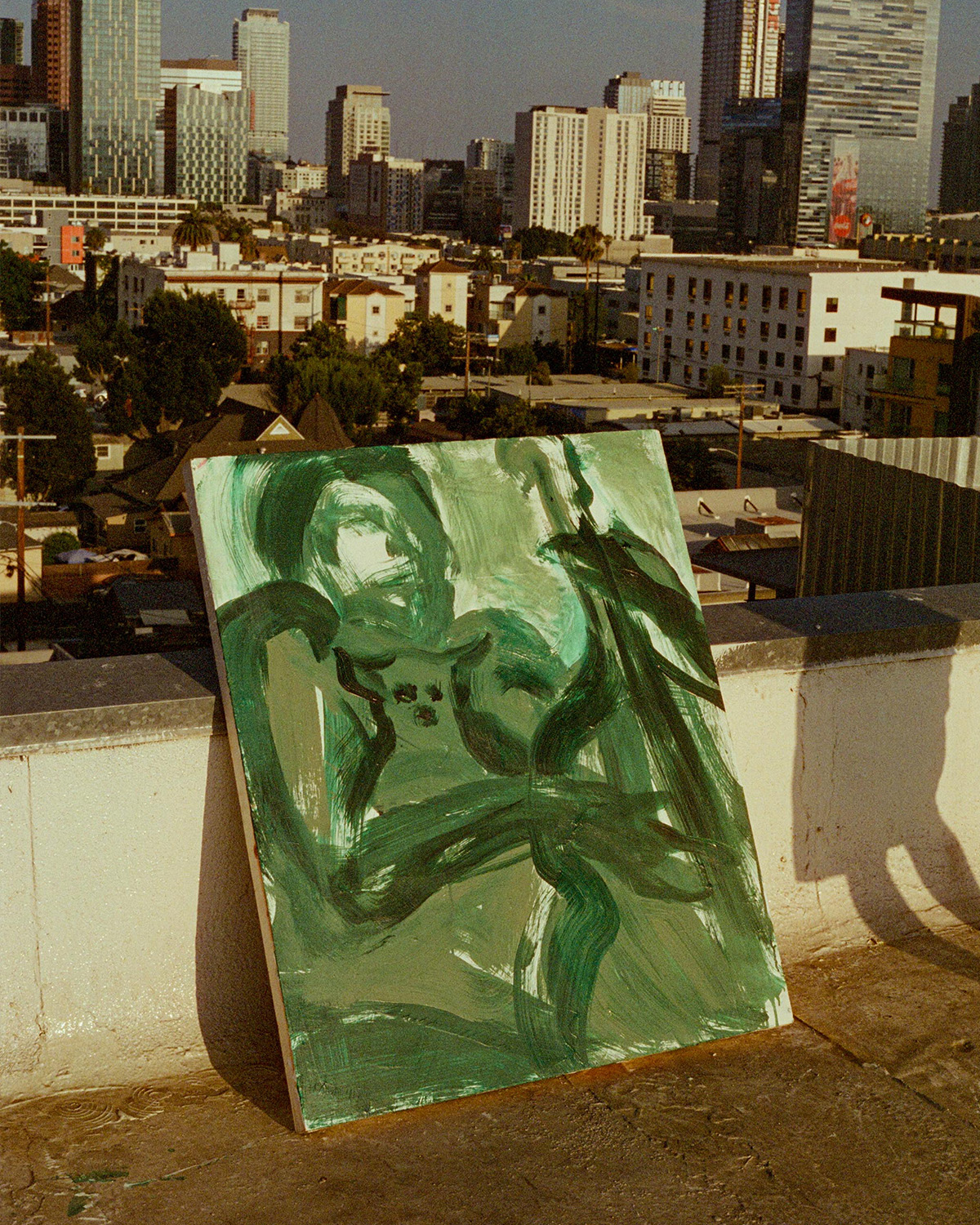
Countless things grab me, so I put energy into the ideas I keep wandering back to. Sometimes as heavy oil paintings, others are quick watercolors. Whatever it takes to just get it out. Any idea has the potential to become bigger or smaller, but its moment is so fleeting that I’m just trying to capture it.
I see my identity in the lens through which it’s painted, but any more is unintentional. It’s a bonus, not the objective, when a viewer finds queerness in the work.
What do you wish more people understood about identity, especially beyond social norms and expectations?
Probably to let go of it, actually, or at least loosen the grasp. Our identities change, and will change again. There’s no need to anchor heavily. The integral parts of you are present in any version, whether you lift them or not. They just show up differently at different stages. The perception of ourselves, by ourselves and others, is always playing catch-up anyway.
What is a moment of reflection to you? Why is it important to take the time and look back on your journey?
I’m inherently sentimental but also cautious of being consumed by nostalgia. It’s important to look back, but mostly just to be reminded it’s not the direction we’re going. How far we’ve come shows us how far we can go, and forward is all we have. Easier said than done.
How has your perception of community changed over the years? And why?
I previously thought abundance would translate to a rich, fulfilling community, but I actually think it can lead to you feeling more alone. It’s hard to nurture relationships with minimal time invested, and intimacy requires a level of interpersonal proximity. A stronger, smaller circle usually wins out over shallow, wide ones.
What is something painting taught you that you still implement every day when interacting with people?
Sometimes I learn more about painting from life experience than from painting itself. If you approach relationships or the canvas with rigid ideas of what you aim to get out of it, or what you think you want it to become, you’ll rob it of any potential novelty or discovery. My favorite people, my favorite paintings happened from allowing them to naturally and intuitively develop into the versions they were always meant to be, which is usually the best one.
Read more Related Posts

Check out more categories