Esther Perbandt: Searching For Boundaries
Words Tom Veréb Czibolya
Photography Nikos Karpouzis
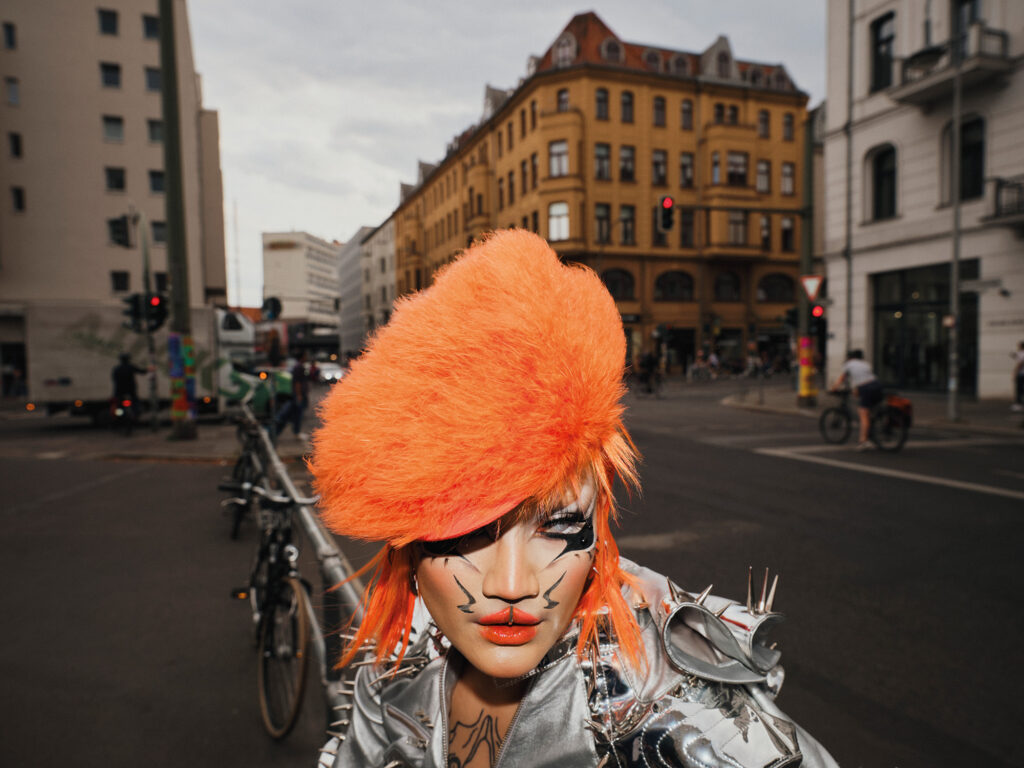
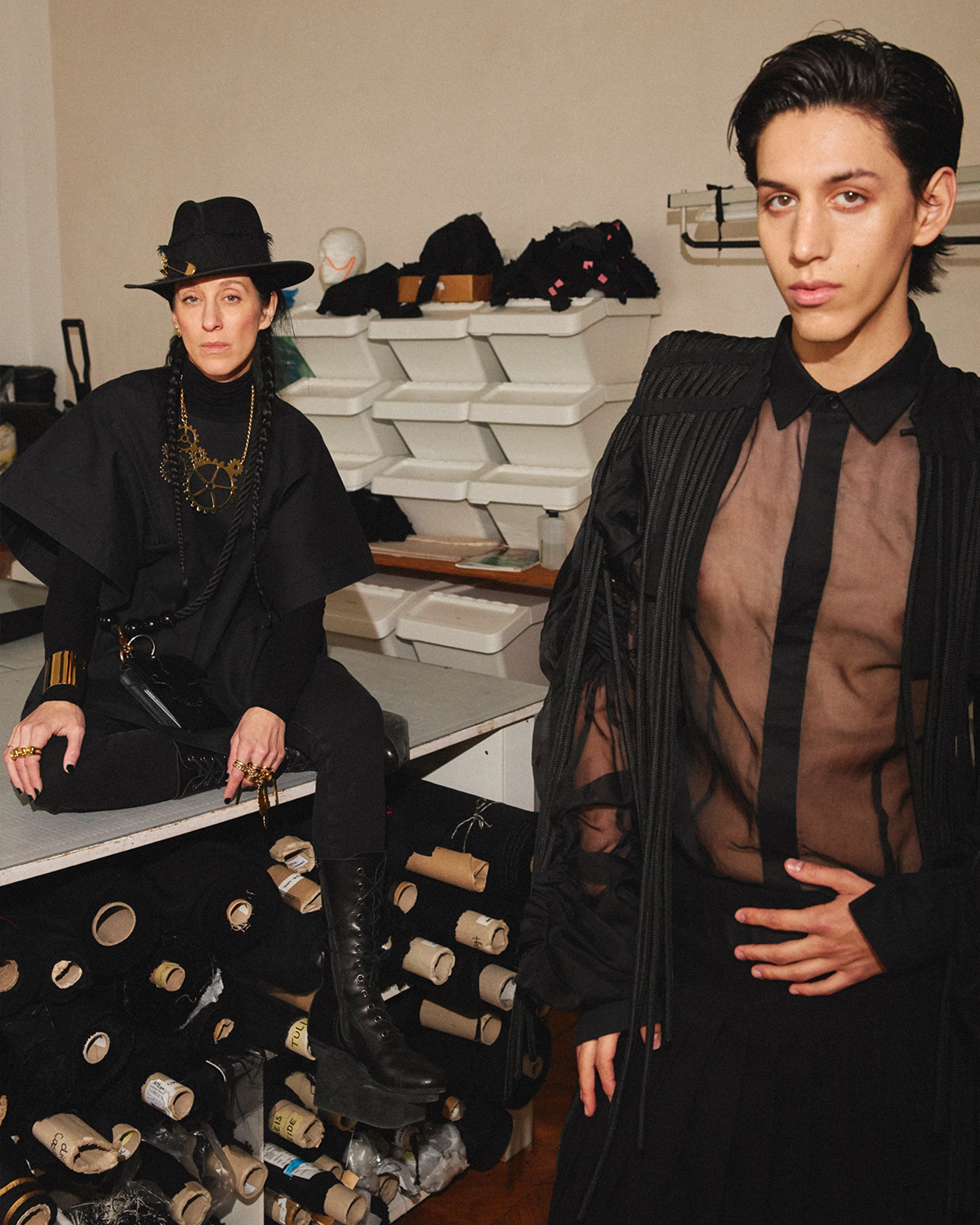
For more than two decades, Esther Perbandt has been shaping a singular vision of Berlin black – not as trend, but as language. In an industry addicted to speed, Esther works in layers of time, her designs made to protect, to endure, to return with new meaning. In Conversation with Container Love, Esther reflects on creativity and constraint, the natural step toward gender neutrality, and why clothing, at its best, doesn’t just dress the body, but holds it.
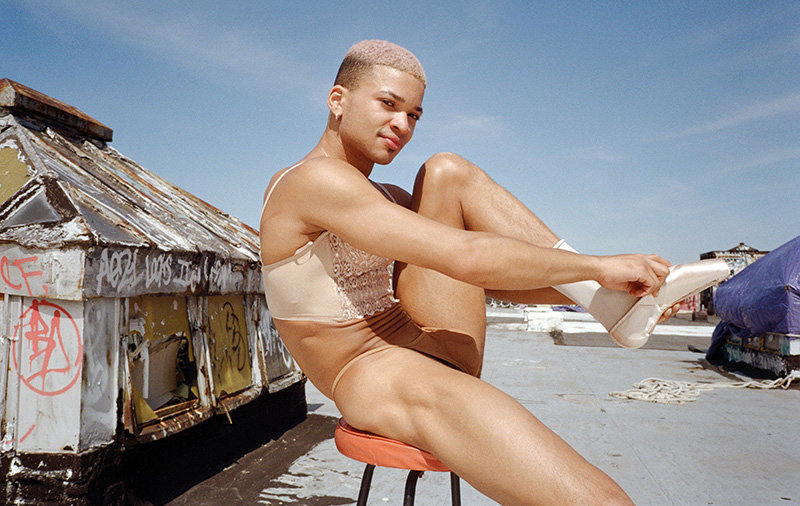
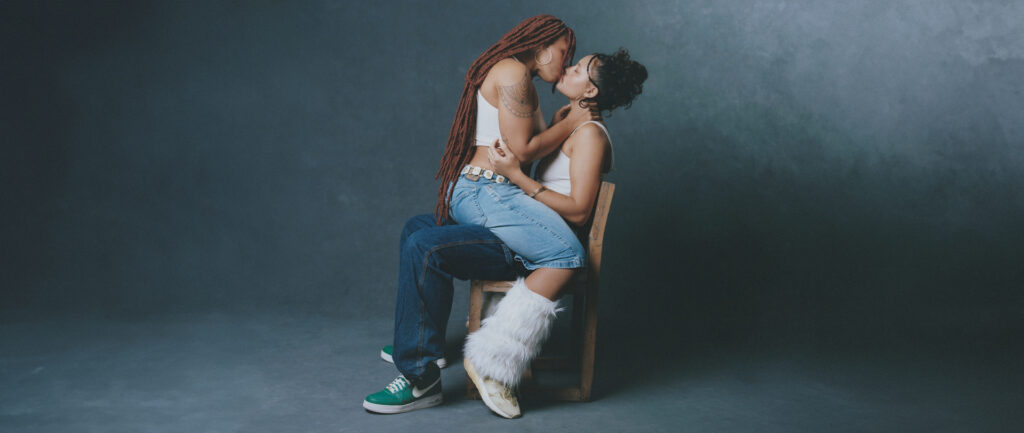
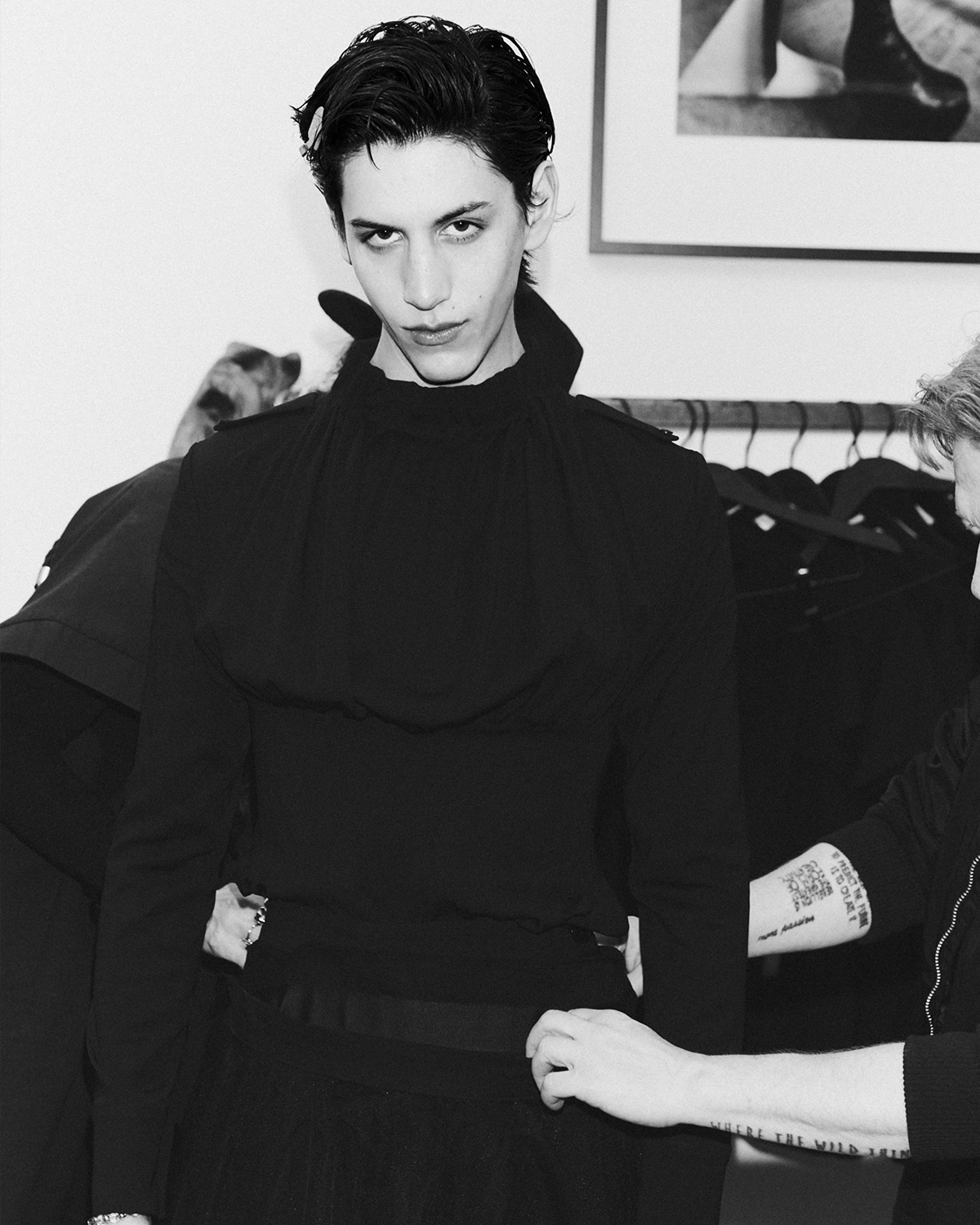
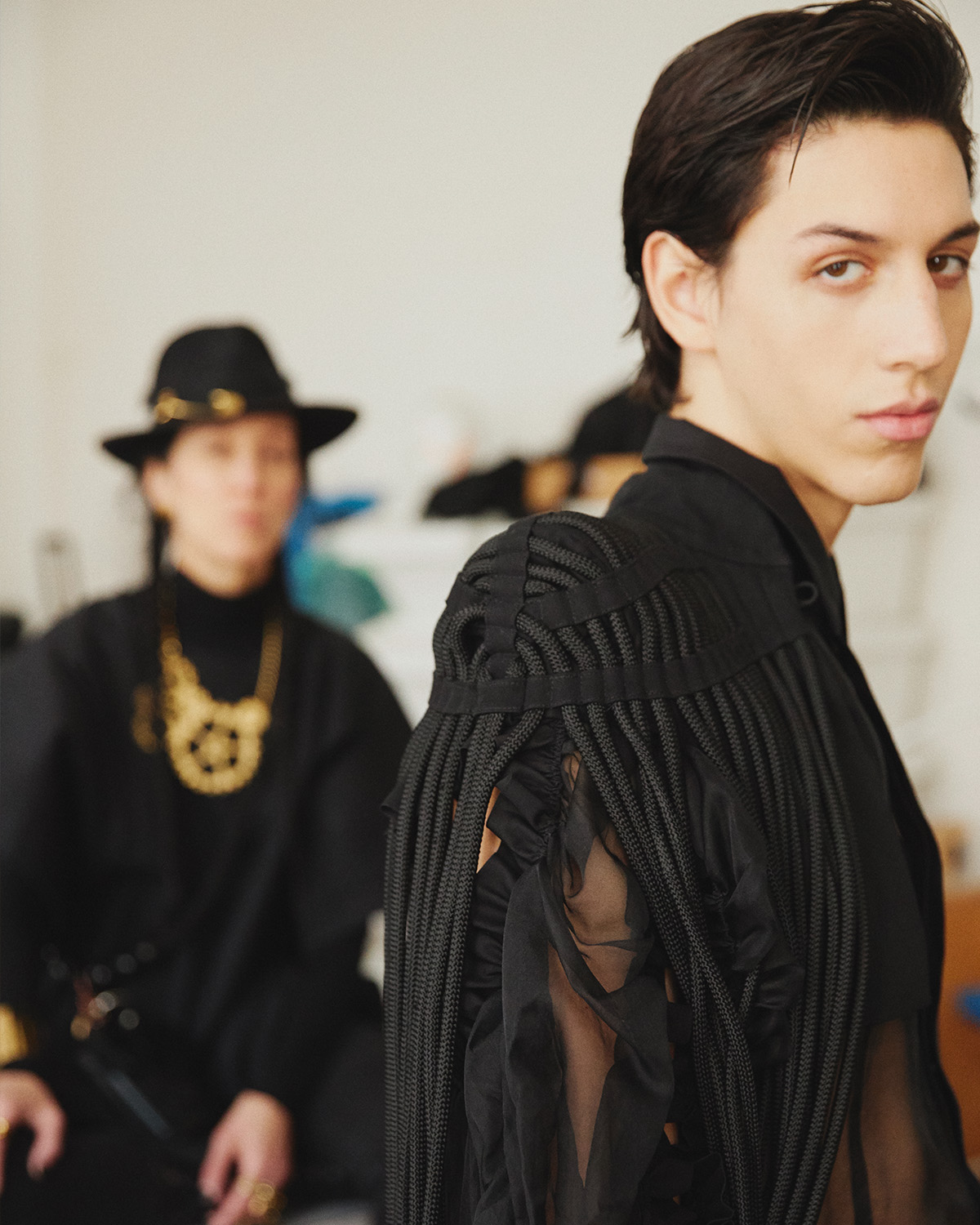
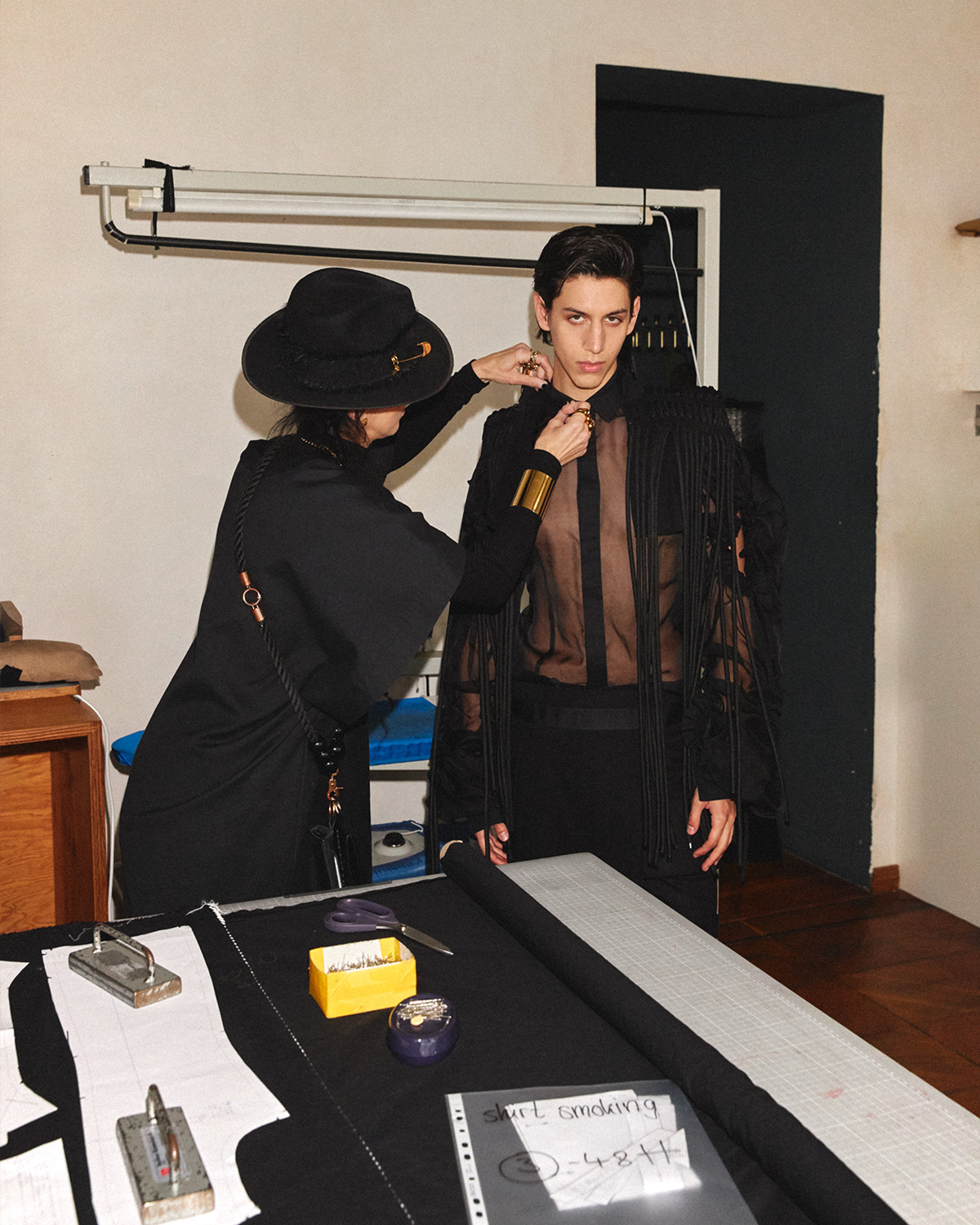
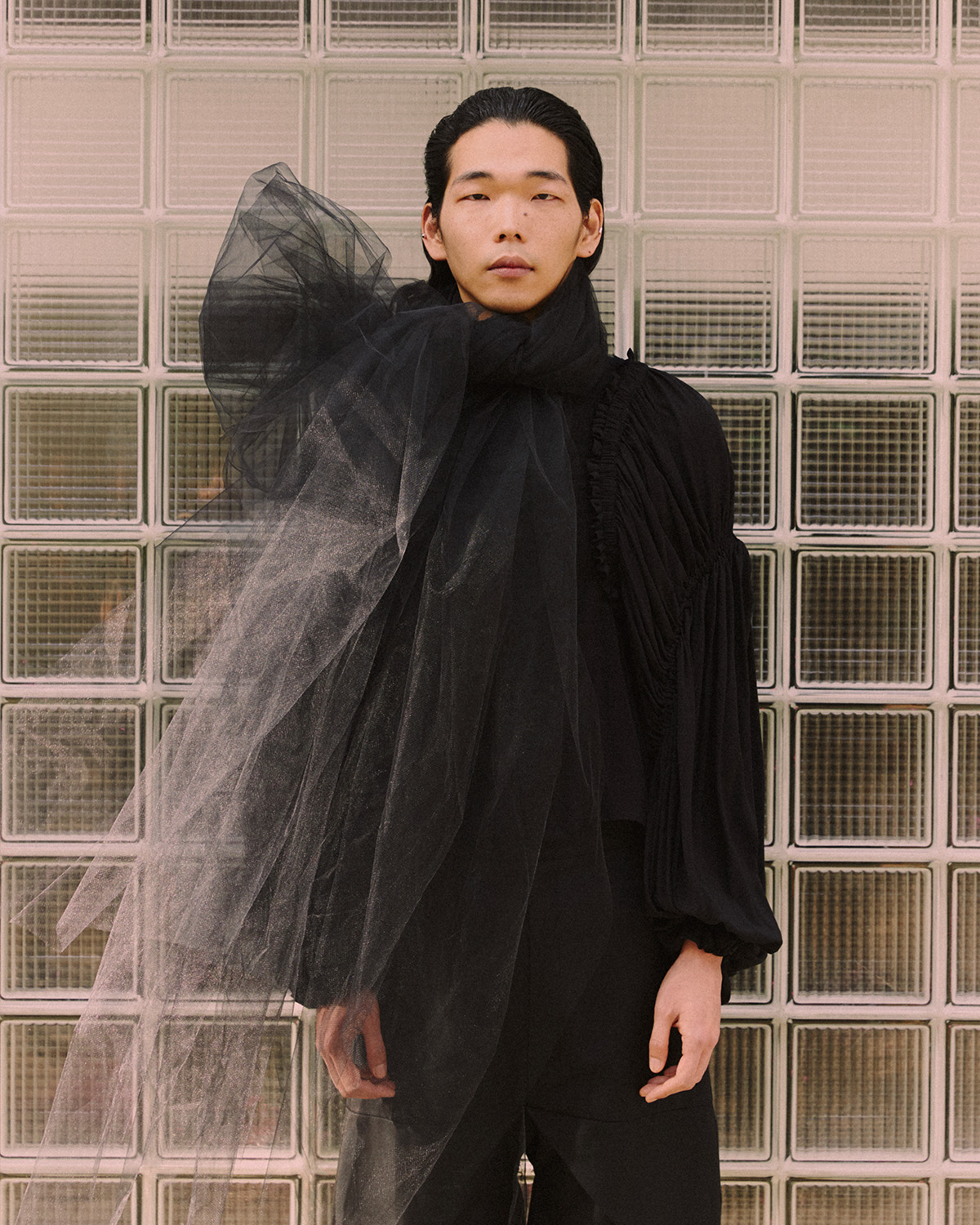
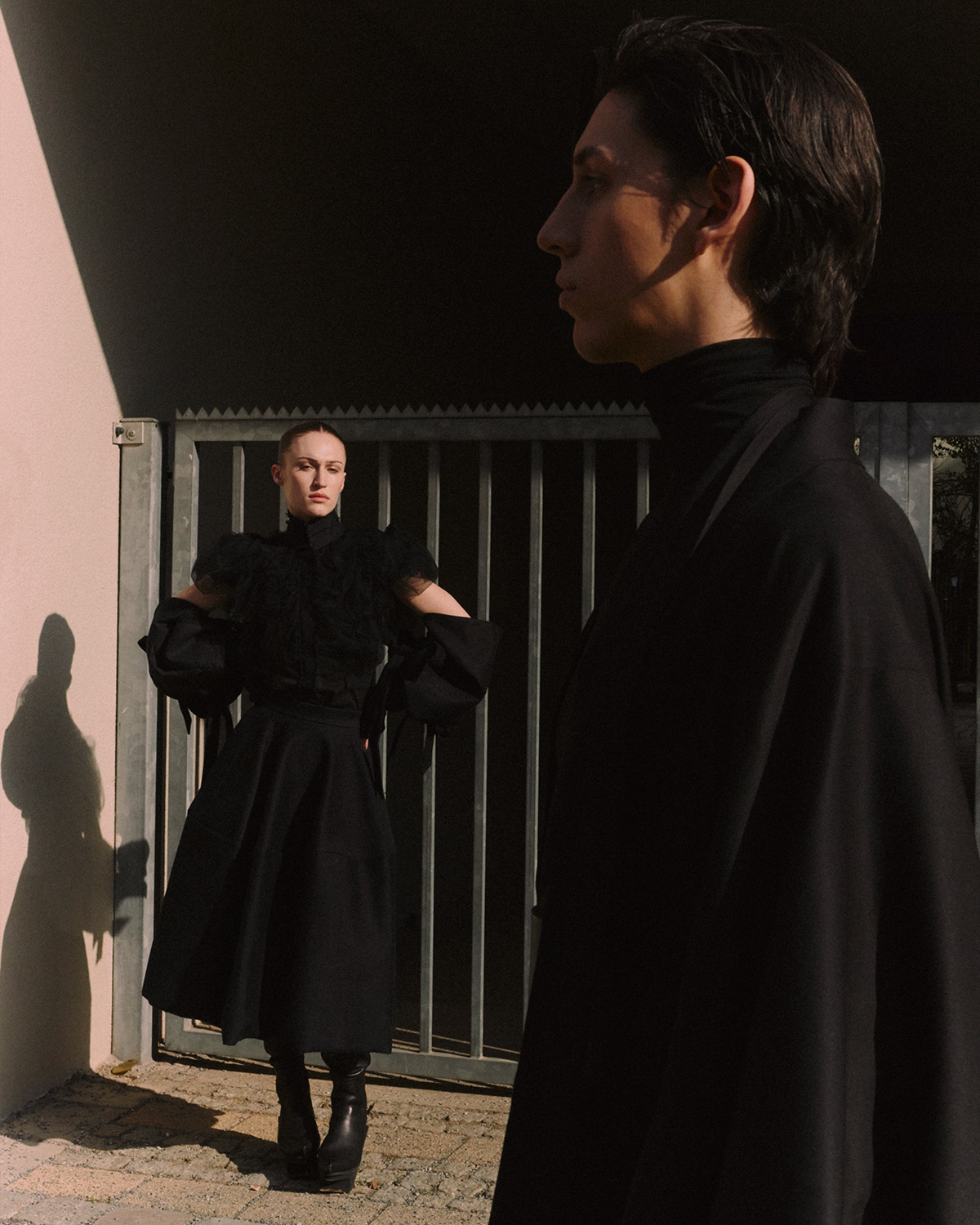
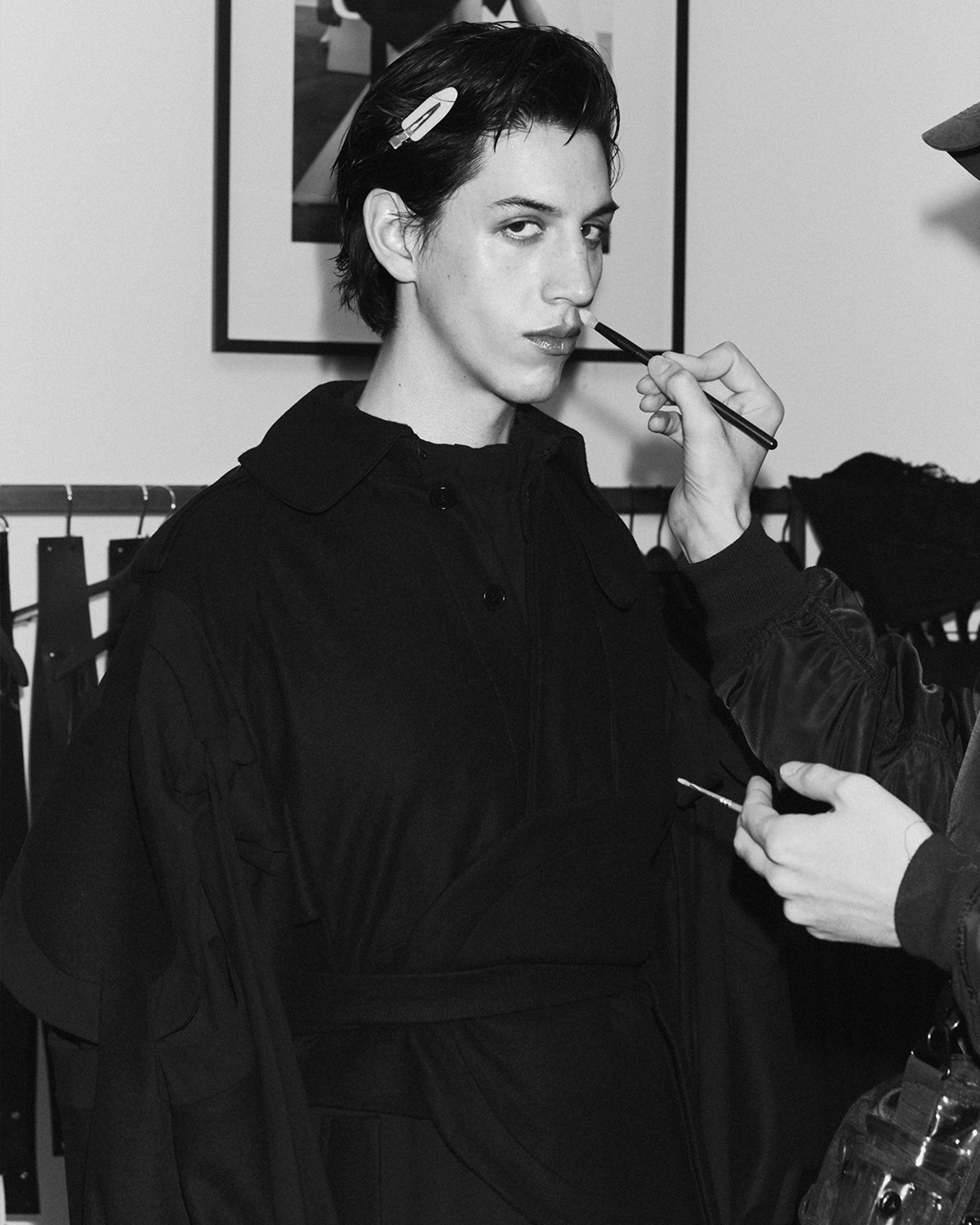
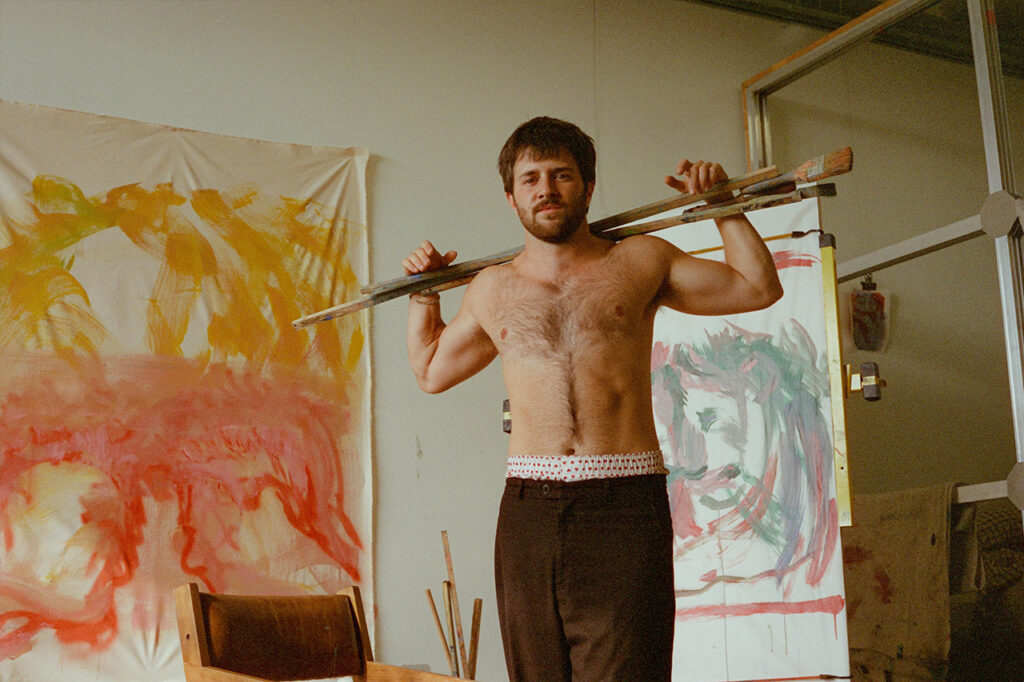
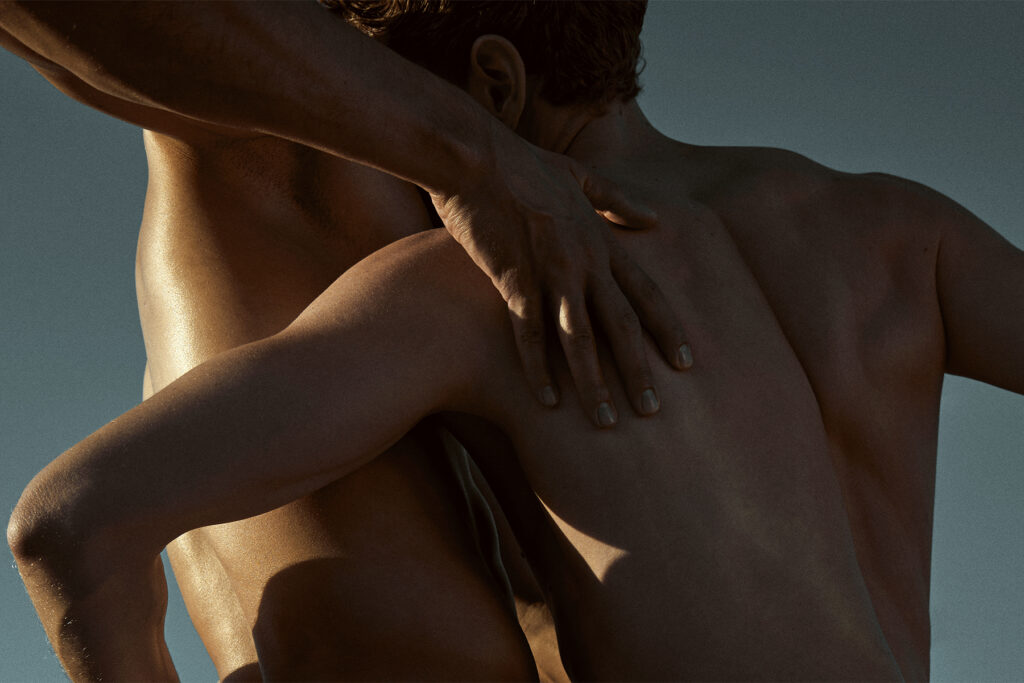
Photographer Nikos Karpouzis, Creative Direction Christian Ruess, Talents Santiago, Bella, Inwoo, Styling & Casting Karma, Make-up Artist Rafa Delgado
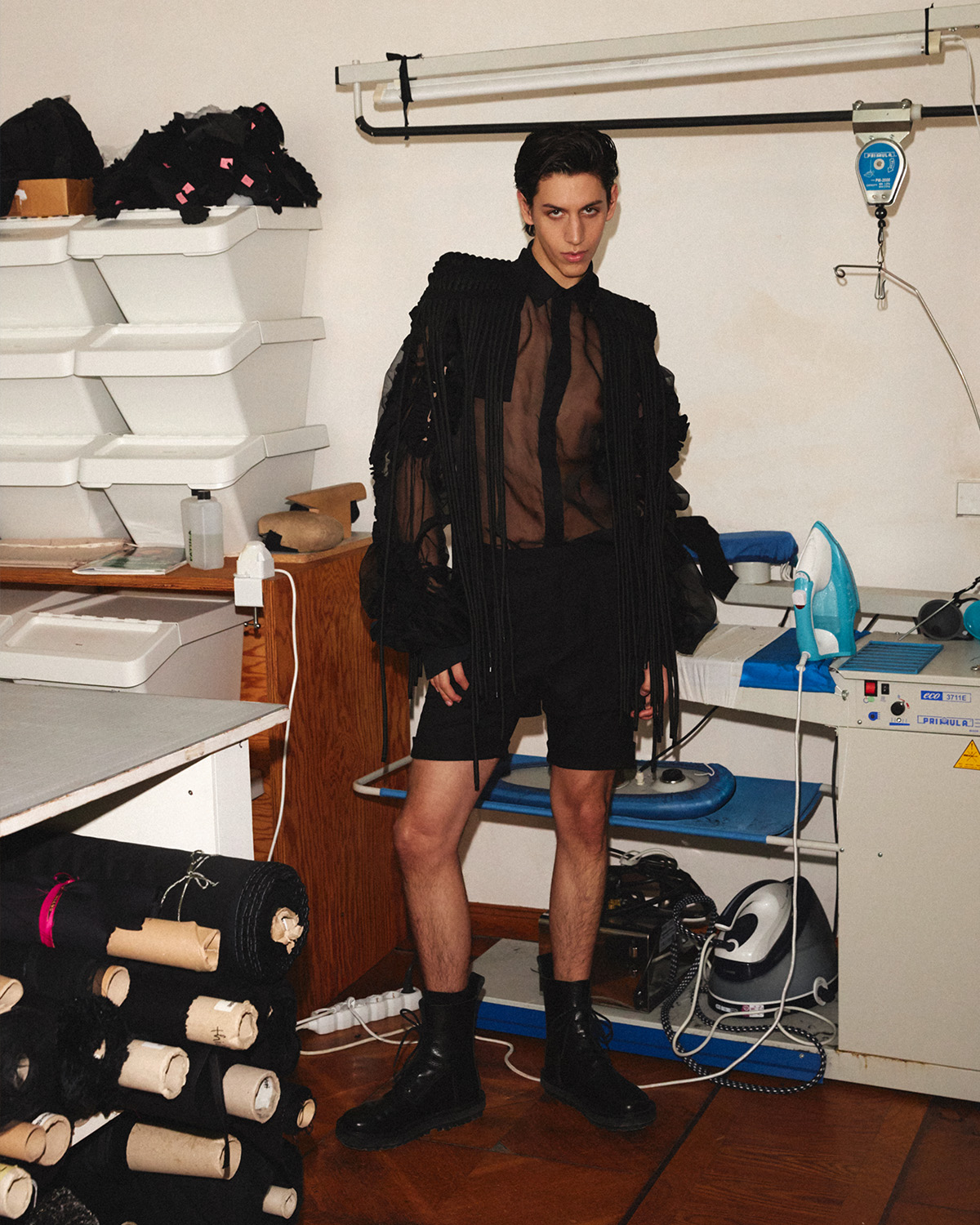
Today, Esther Perbrandt is one of the trusted sources of the original Berlin Black. How would you describe your personal relationship with the color black? Emotionally, aesthetically, even philosophically.
Well, back when I started the brand in 2004, it was actually very colorful. I was very colorful myself. But around 2008, I started wearing more and more black – and that was also when I opened my store in Berlin. I suddenly noticed a gap between myself and what was hanging in the shop. I created my whole life with the idea that I wanted to be the coolest thing on earth. I wanted to be a rock star. I played drums in a band for six years as a teenager. During my studies, everyone kept saying, you have to do this, you have to do color, but it never fully resonated.
When I started doing my own thing and stopped listening so much to others, I realized: this is what feels right. I do look like a rock star in black! But it wasn’t only about aesthetics. Black made me feel protected. For me, garments are a kind of shield. That comes from my history and education – I needed something that gave me boundaries. Black gave me a safe space. And of course, it also looks cool. Elegant. Crazy. Avant-garde. Expressive. So I started erasing more and more color from my collections. Slowly. At first, it was black, grey, and white. Now there are just a few white pieces left – rare birds.
Does working in a single color naturally push your designs toward minimalism?
On the contrary. It’s a limitation, yes – but one that opens many more doors. Black gives me the playground I always wanted. When color is removed, you’re forced to focus on details: structure, tailoring, quality, fit. You really look at the piece. You’re not distracted by flashy colors. I love taking something classic and giving it a slight twist. Since reducing to one color, my collections have become much more interesting because the focus shifted completely to the designs.
Black is my safe base. From there, I can reach out and explore.
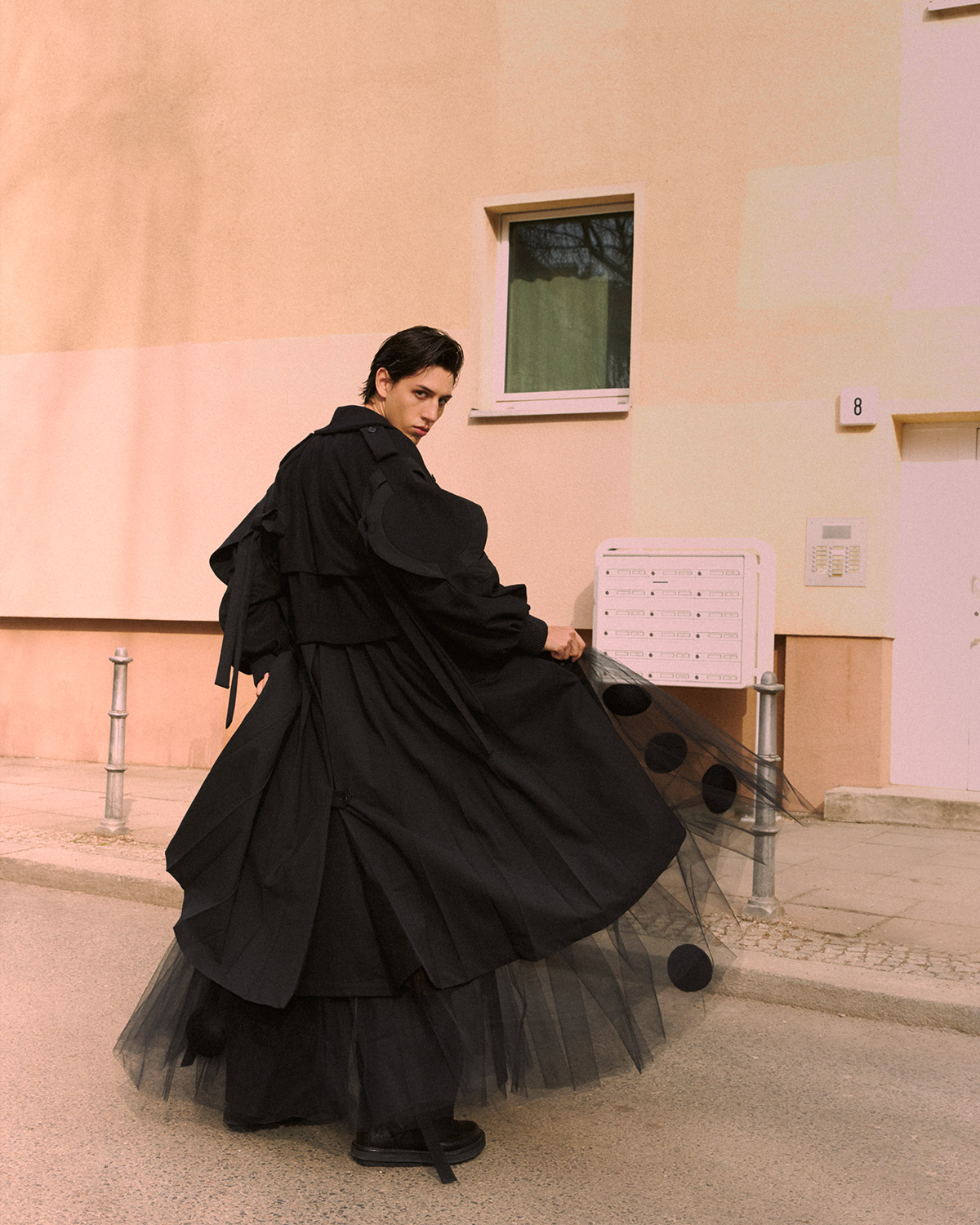
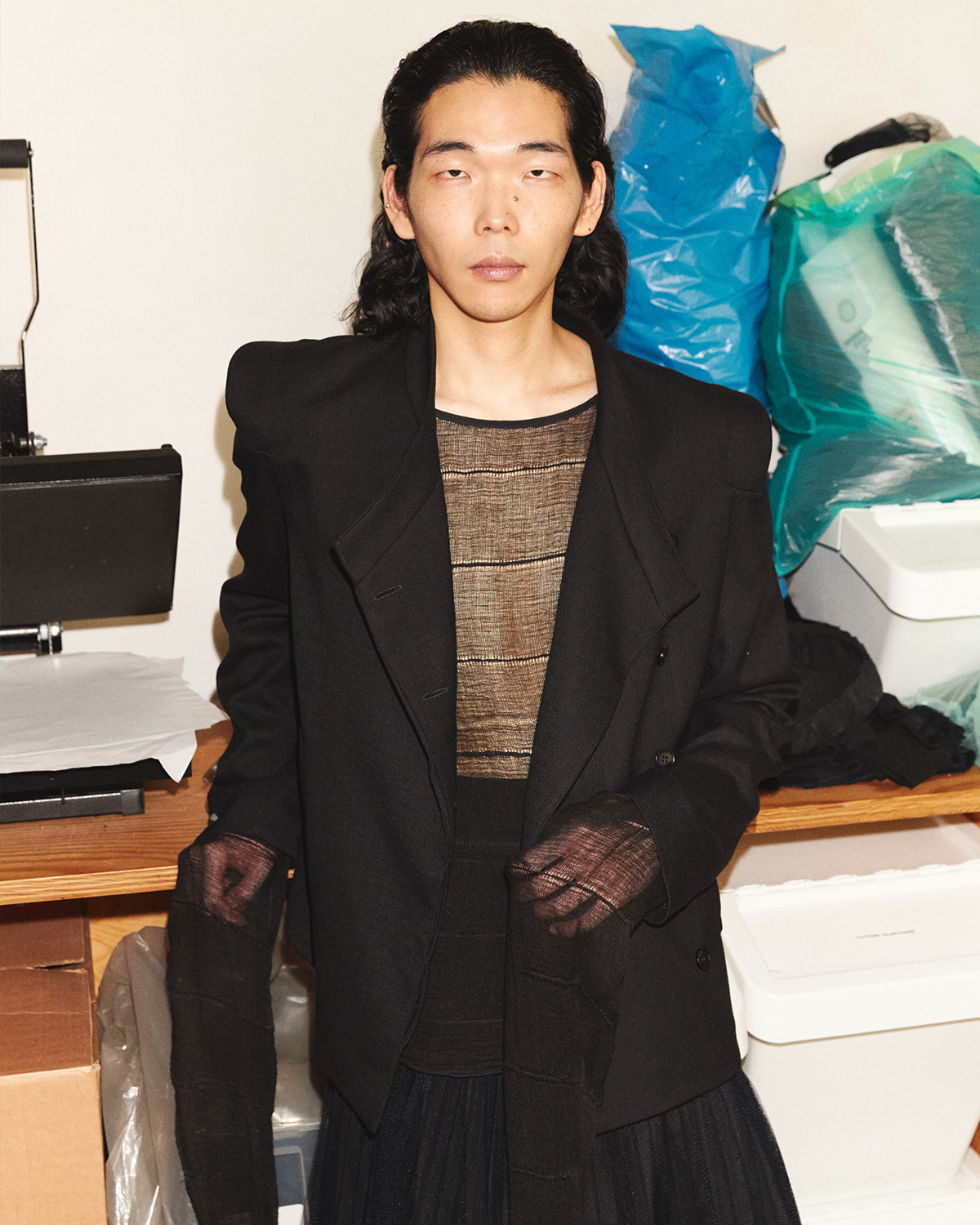
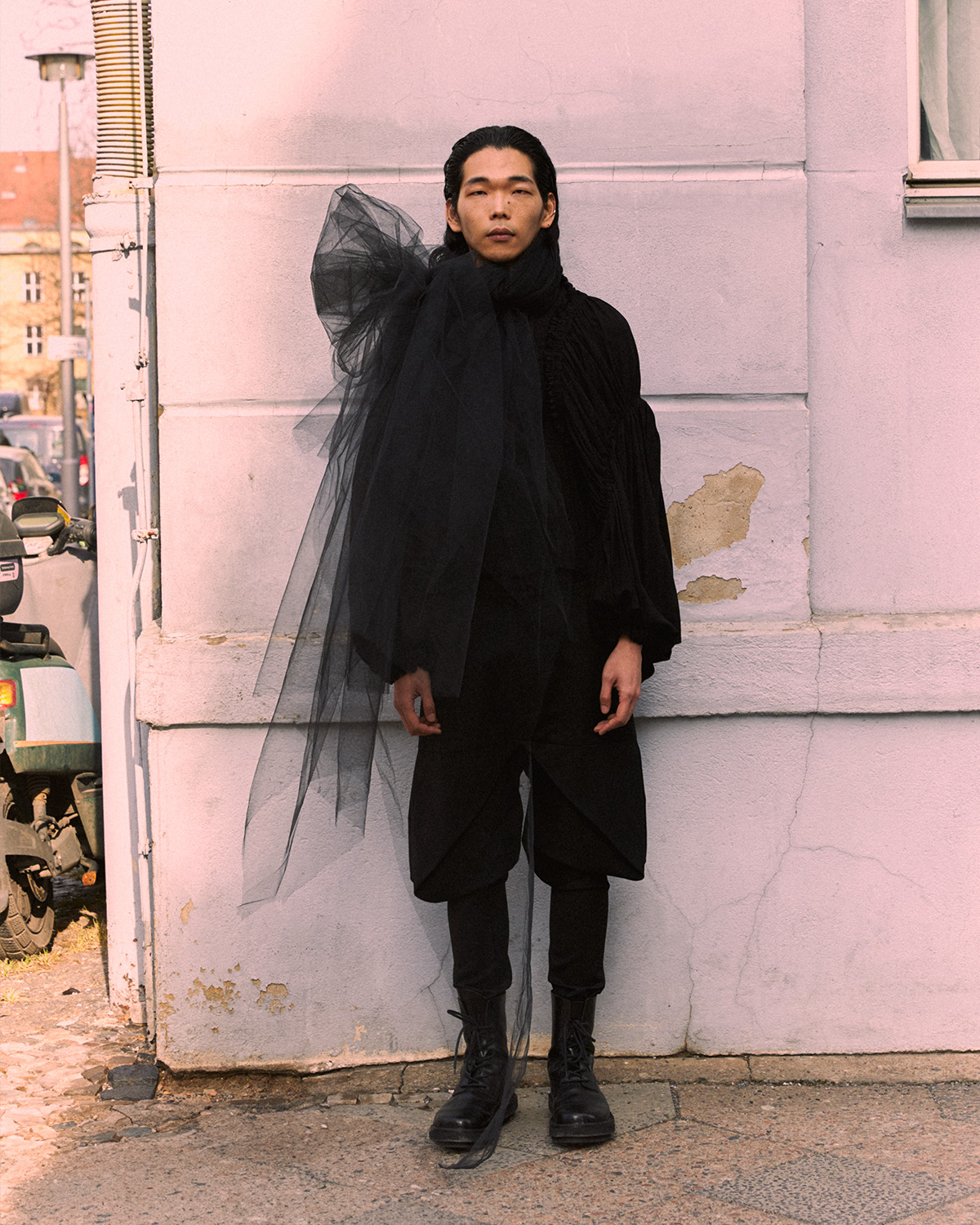
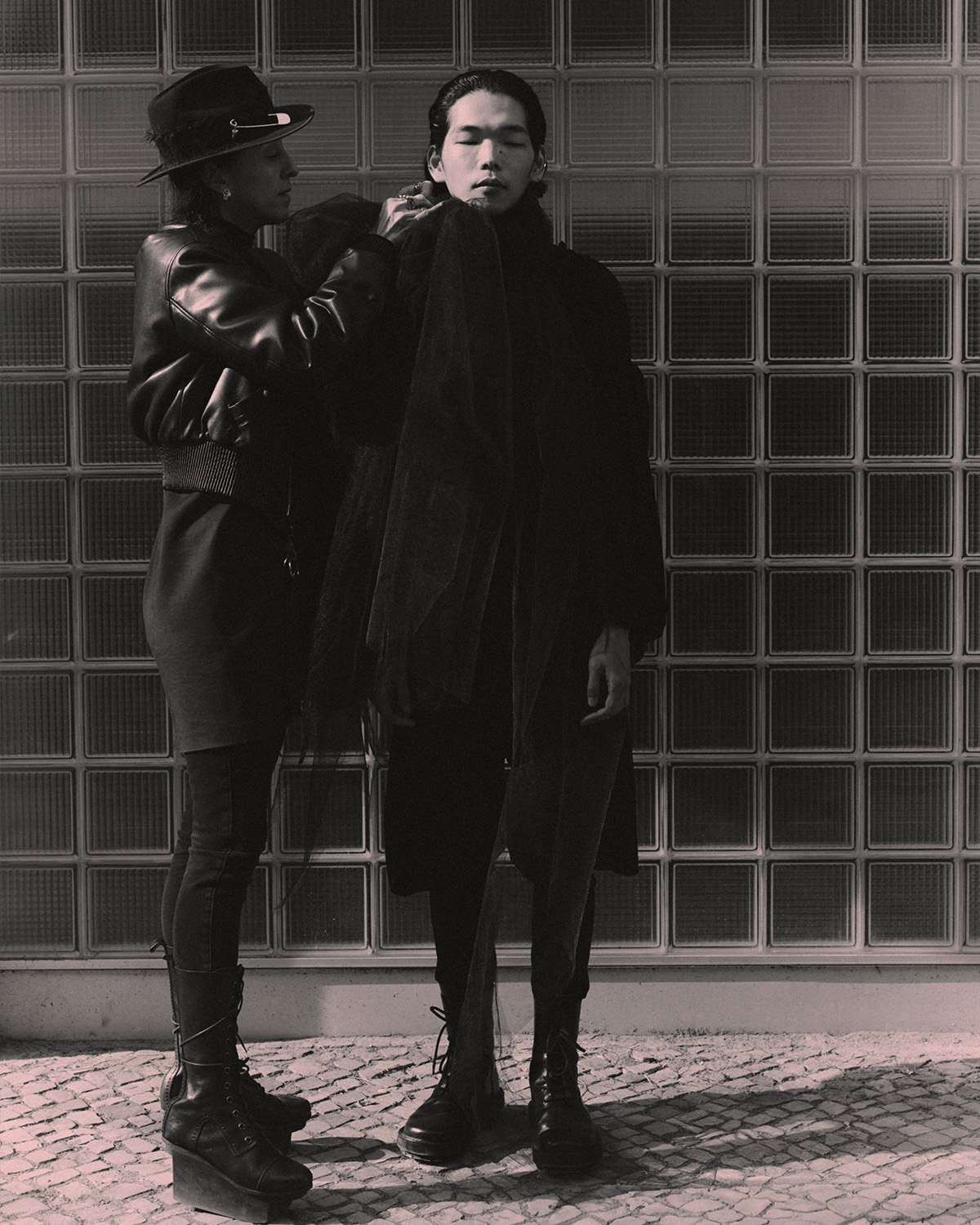
How do you generally relate to limitations in your creative process?
There’s always a reality check. I know my customer. I can’t just do whatever I want, even if I sometimes wish I could. My biggest dream would be to return to the playground and do only crazy couture, pure showpieces. But as a business, I have to think about what’s wearable and sellable. So I live somewhere in between. I don’t cut off my creative brain, but I also know I can’t live from fantasy alone.
That said, it’s also a pleasure to work for people who actually wear the clothes you make. When someone comes in, tries something on, and buys it – that gives me a lot back. After more than 20 years, I’d say I’m in balance. But I’m also a very restless person. My nickname is the always-hungry caterpillar. You know, from the children’s book – always wanting more. Bigger. Better. Always on to the next one.
What’s the earliest piece you designed that you still wear today?
It’s a pair of trousers called JAYBO. They’re low-crotch, with two waistbands – classic but casual. I designed them in 2009 for the artist Jaybo Monk, who became a kind of mentor for me. He really opened my eyes to art, performance, and expression. At the same time, I was limiting my color palette, starting fashion shows, moving toward performance-driven presentations. All of that came together through his influence.
Those trousers are still in the collection. Some years they sell better, some years less – but they’ll always be there. They’re part of my story and the brand’s story.
If you had to name the most essential function of clothing, what would it be?
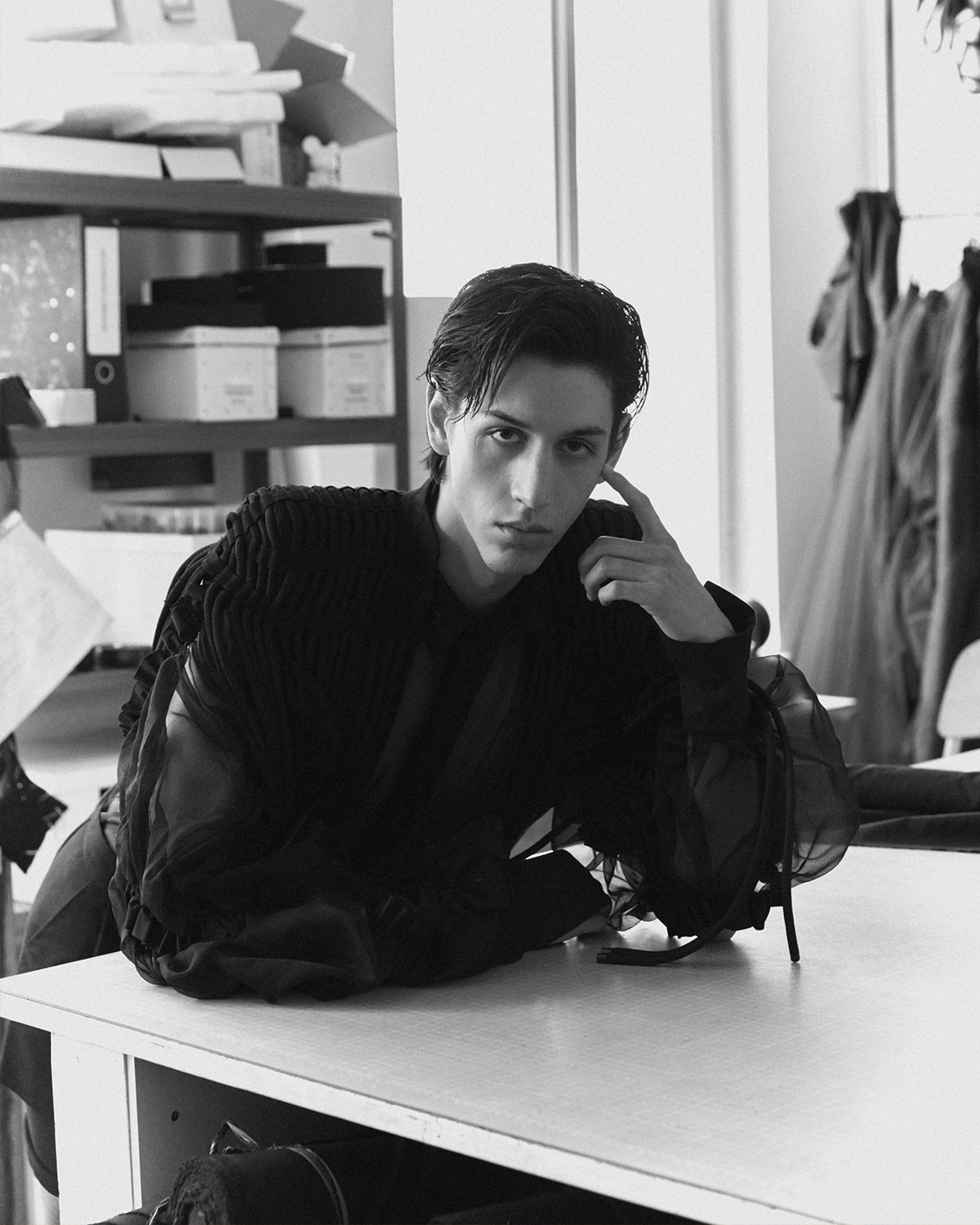
Protection and expression. For me, protection comes first. Without feeling protected, I couldn’t be expressive. Otherwise, I wouldn’t dress like a Christmas tree. That’s also why my collections naturally became gender-neutral. I never planned it. It came from my own need to look more masculine at times, depending on how I felt. It was another layer of protection.
Yet that doesn’t mean the clothes aren’t sexy. They can be very feminine, very sensual – but even the most daring piece still carries a sense of safety. That’s something my customers feel and appreciate too. I’ve watched it play out in the store for two decades now. People put something on, look in the mirror, and suddenly they grow two centimeters. They tell me later that they did this or that because they felt strong in the outfit they chose. That’s everything for me.
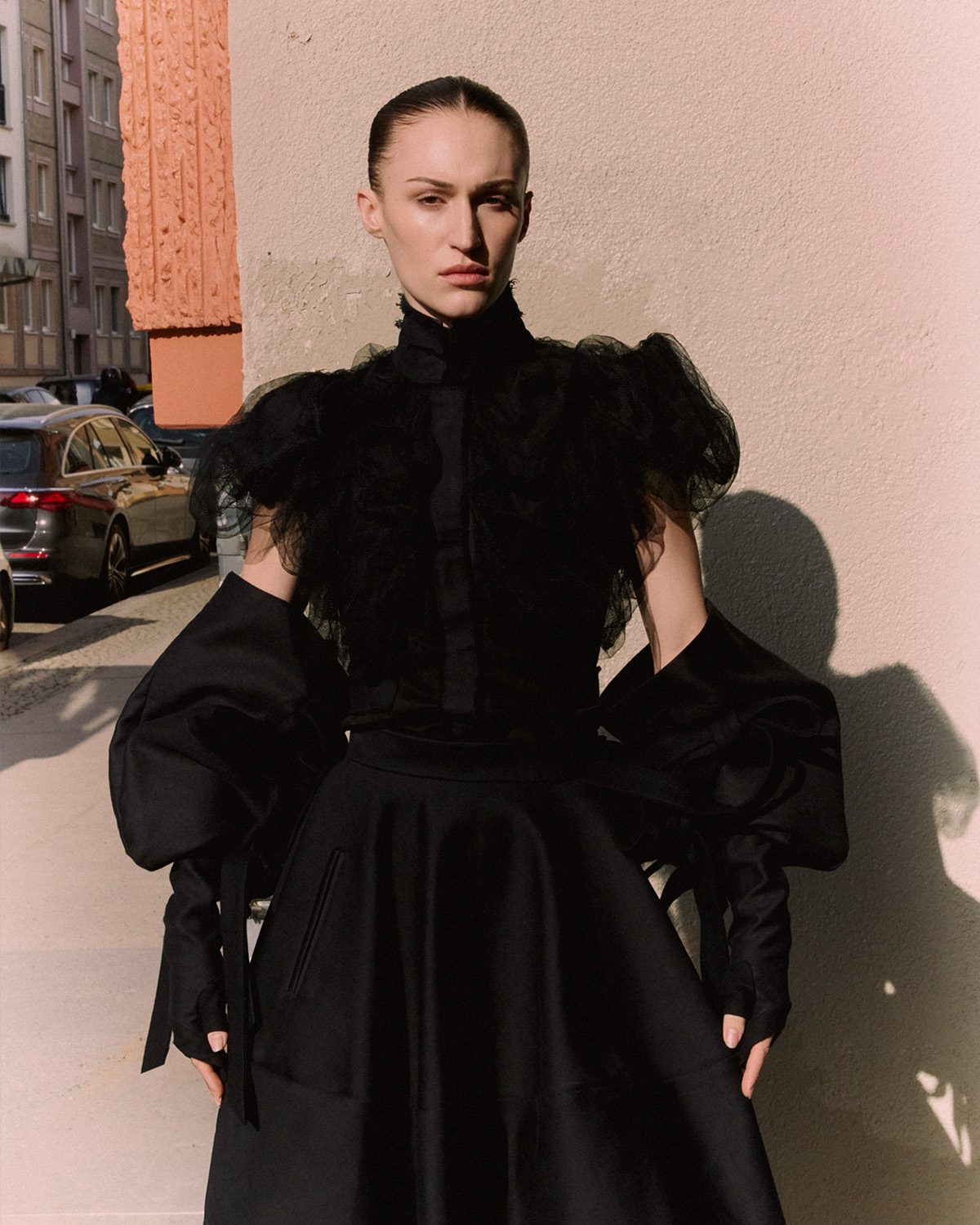
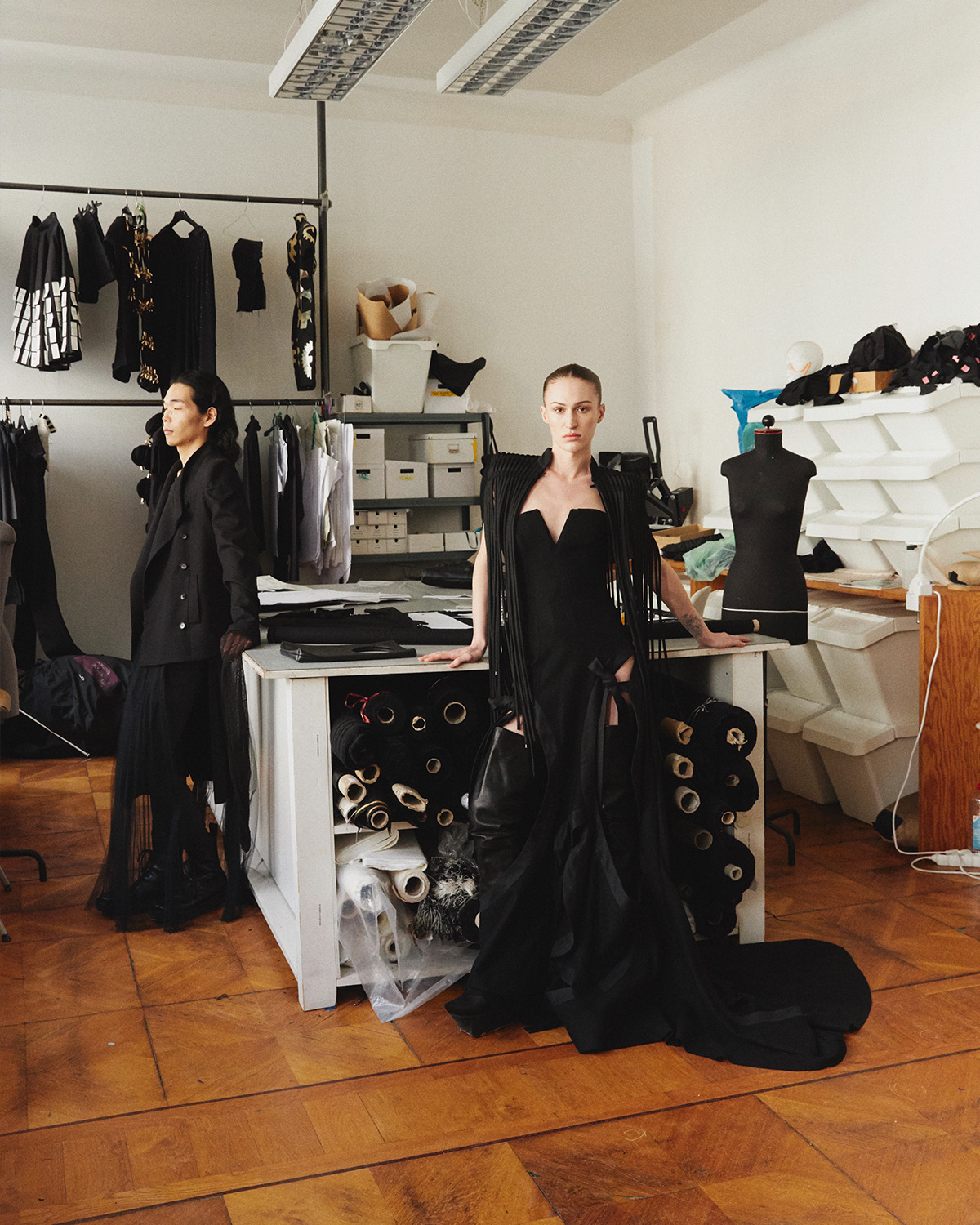
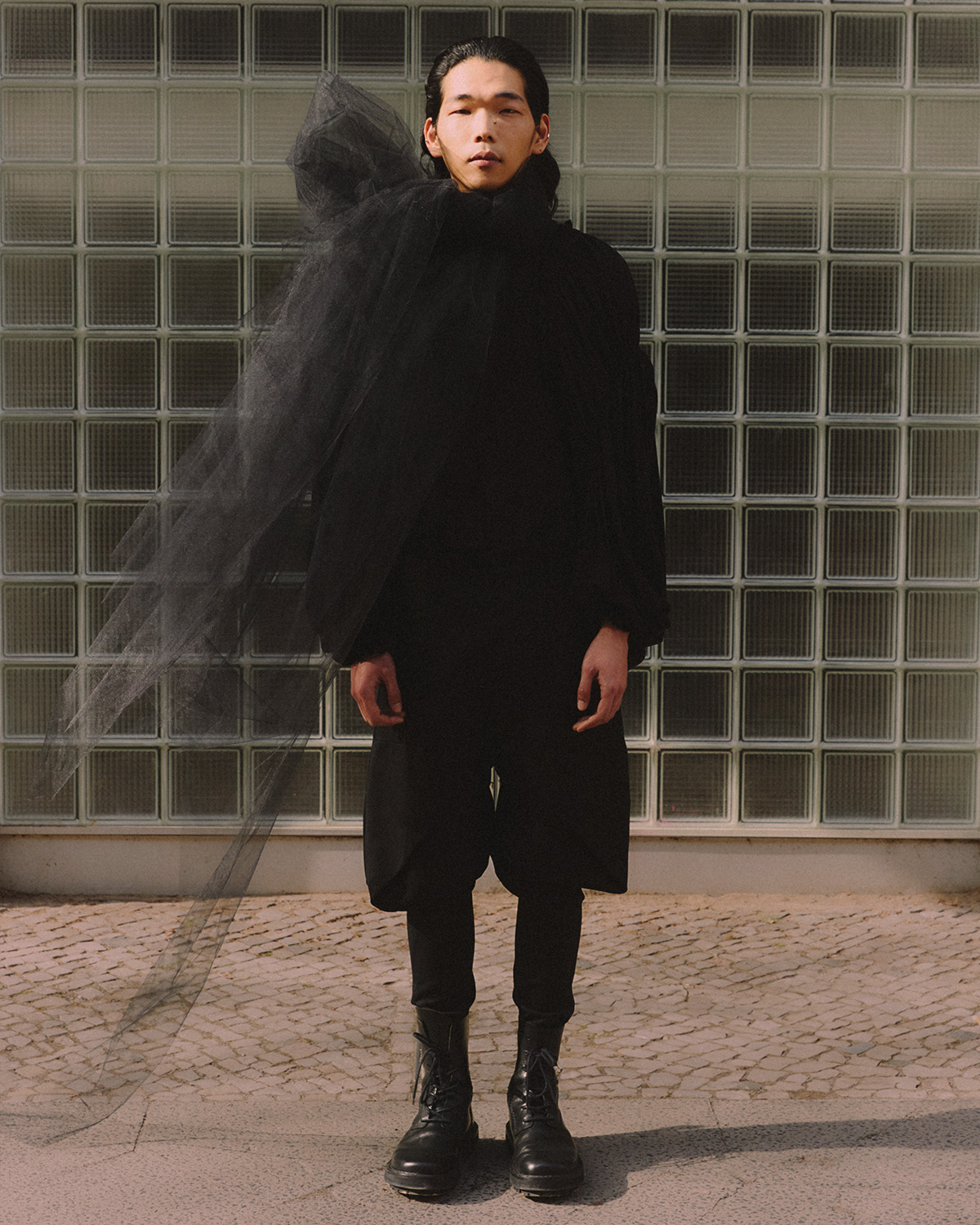
You often work with local production and specific materials. How does that shape the identity of your brand?
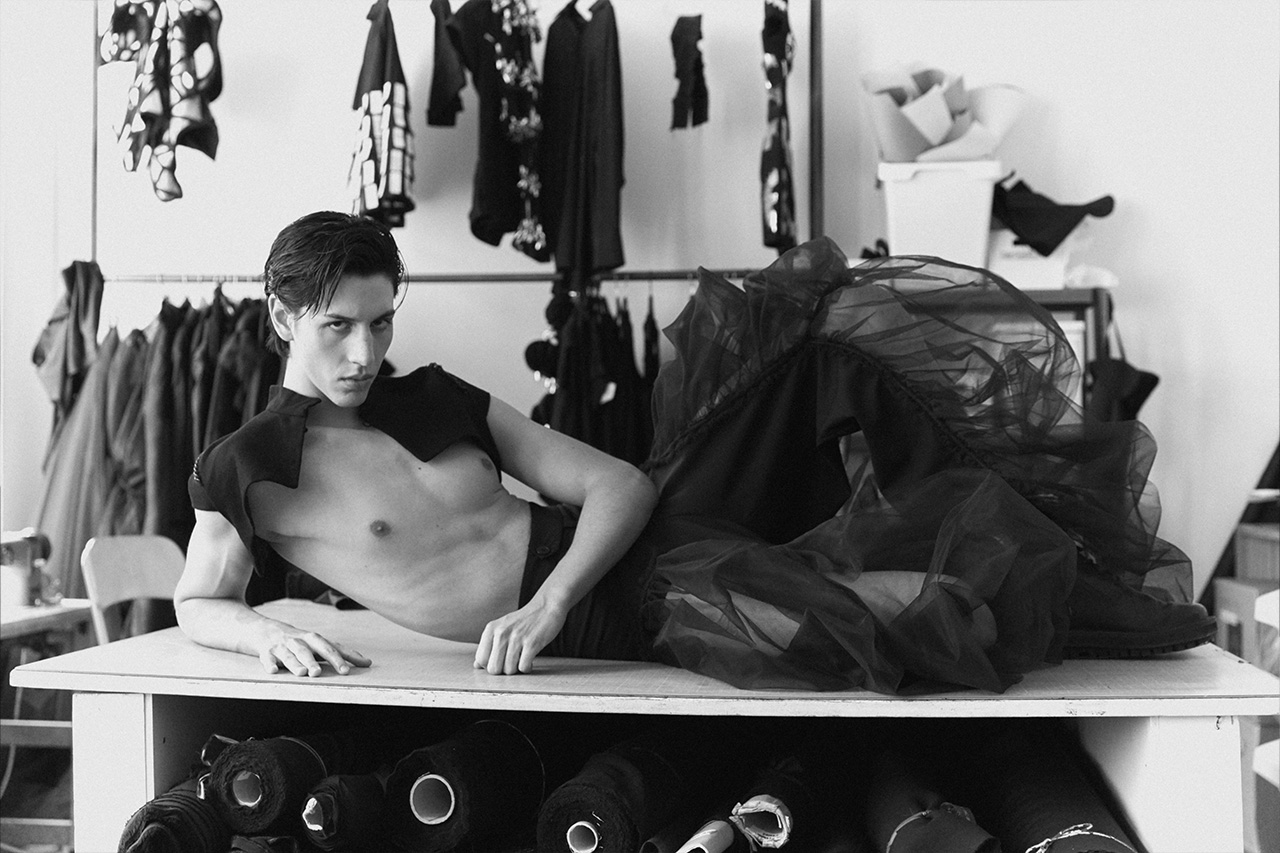
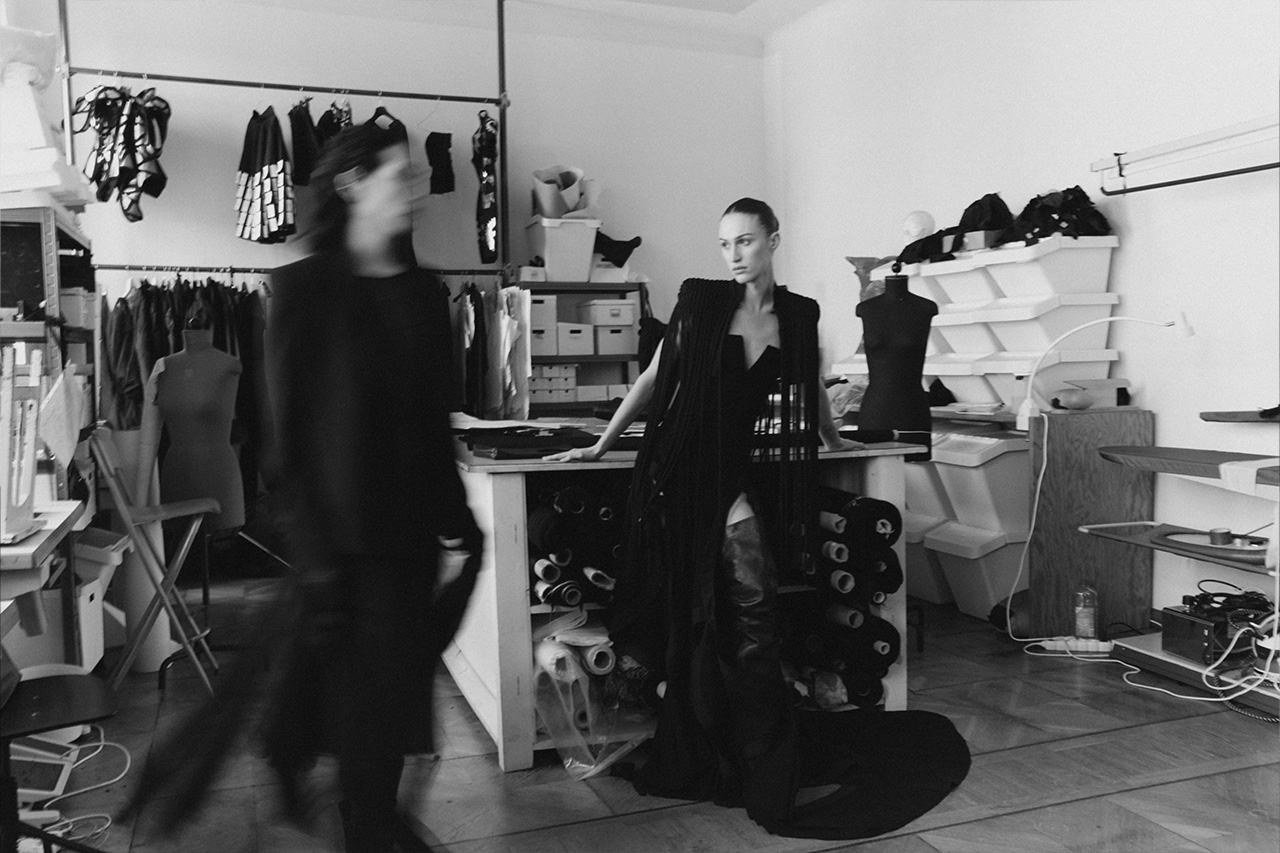
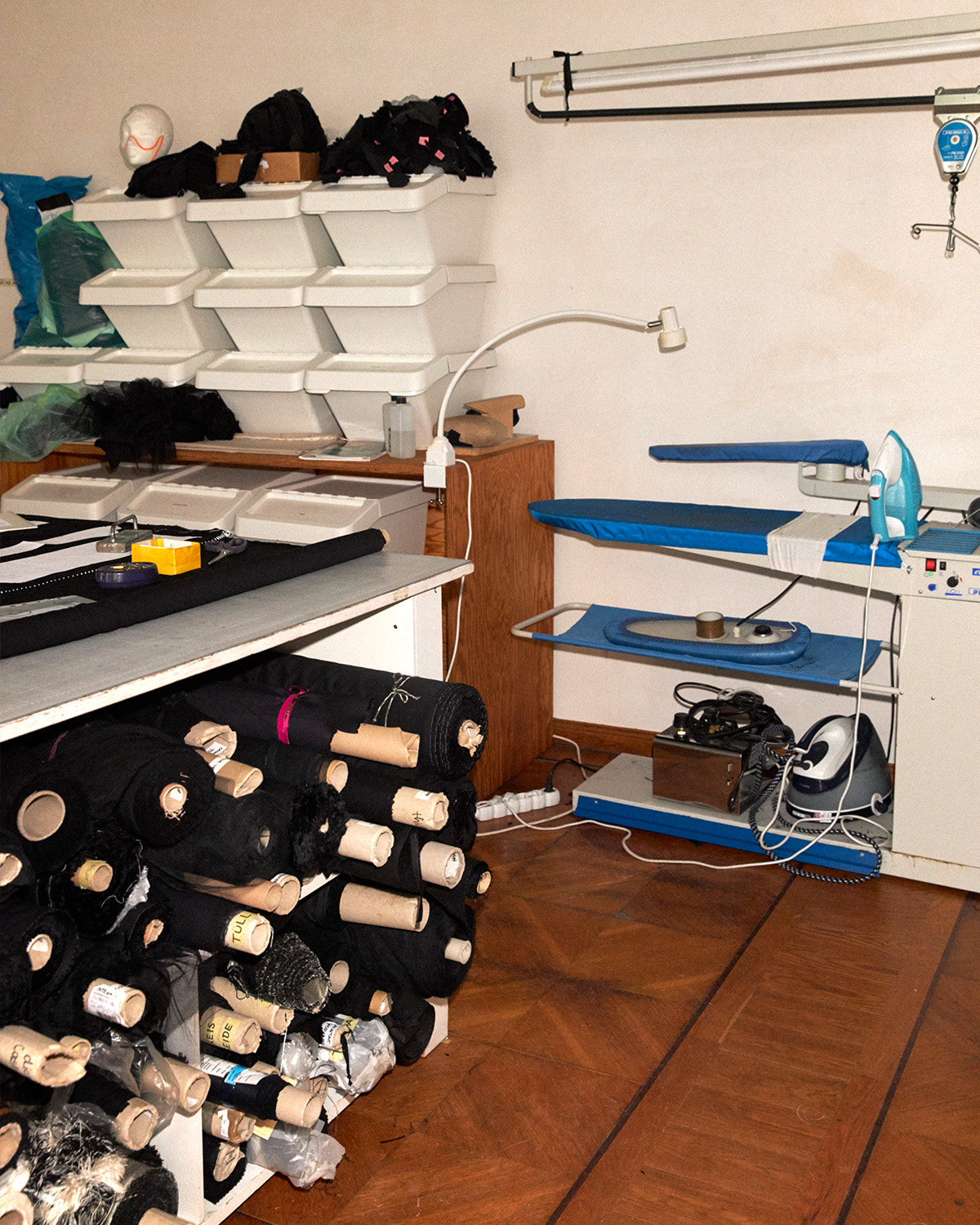
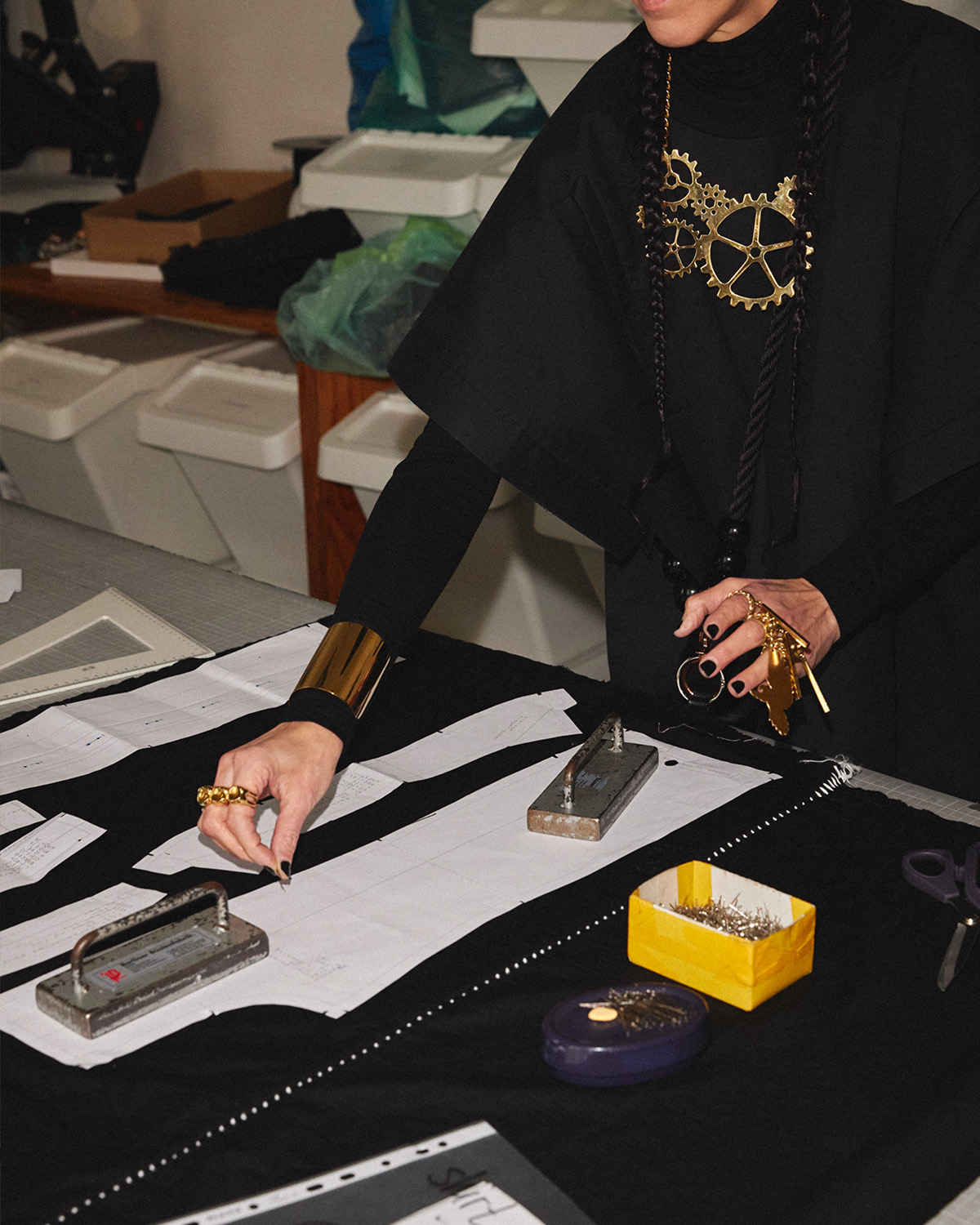
I produce all made-to-measure and made-to-order pieces here in my atelier. Small production runs are made in Poland, just two hours away. Fabrics are more complicated. Truly local fabrics are rare. One of my favorites is a heavy cotton called Deutschleder, also known as German leather. It’s woven in Germany for traditional workwear, especially for carpenters. It’s incredibly dense and stiff, almost bulletproof.
Since I work exclusively with black, sourcing deadstock fabrics is easier. I reuse materials constantly and never throw fabrics away. I also try to be honest about compromises. I love tulle – but it’s plastic. So sometimes it’s a fine balance between design heart and sustainability. Buttons are made from stone nut, and zippers are produced in Germany. I try to do many things right, knowing I can’t do everything perfectly.
You were also an early pioneer in digital fashion, a decade before it got truly commercialized. How do you see that work today?
I still love looking at those projects. But what people can do now digitally is on a completely different level. Sometimes I feel frustrated that I didn’t have the skills or resources to continue in that direction. Digital fashion is, for now, still mainly a marketing tool. It’s expensive. Often it costs as much as pulling off a real photoshoot. That said, I already work digitally in pattern making and fitting. My pattern maker works with digital avatars – we do fittings in 3D before producing samples. It saves time, money, and fabric.
But I also love hands-on work. Draping fabric, making mistakes, discovering something unexpected. My dream is still a big atelier with seamstresses and pattern makers, where magic happens physically. Digital is another kind of magic – but I believe the future is in combining both.
How do you define timelessness in an era of fast fashion?
Timelessness means care. We’ve lost the habit of taking care of our garments. Hang them properly. Treat them well. Then they can live with you for decades.I love the idea that a piece disappears in your closet for ten years and then suddenly resurfaces. You should buy garments like you collect art. You don’t always understand them immediately – and that’s okay.
Sometimes a piece gives you protection at one point in life, and ten years later, it gives you confidence or sexiness. That evolution is what makes fashion meaningful.You don’t need to reinvent everything. I have an archive of almost 40 collections. Some ideas are just waiting for the right moment to come back.
Read more Related Posts

Check out more categories