Joel Harper-Jackson: The Hardest Character To Ever Pull Off Is You
Photography Julian Barbès
Words Tom Veréb Czibolya
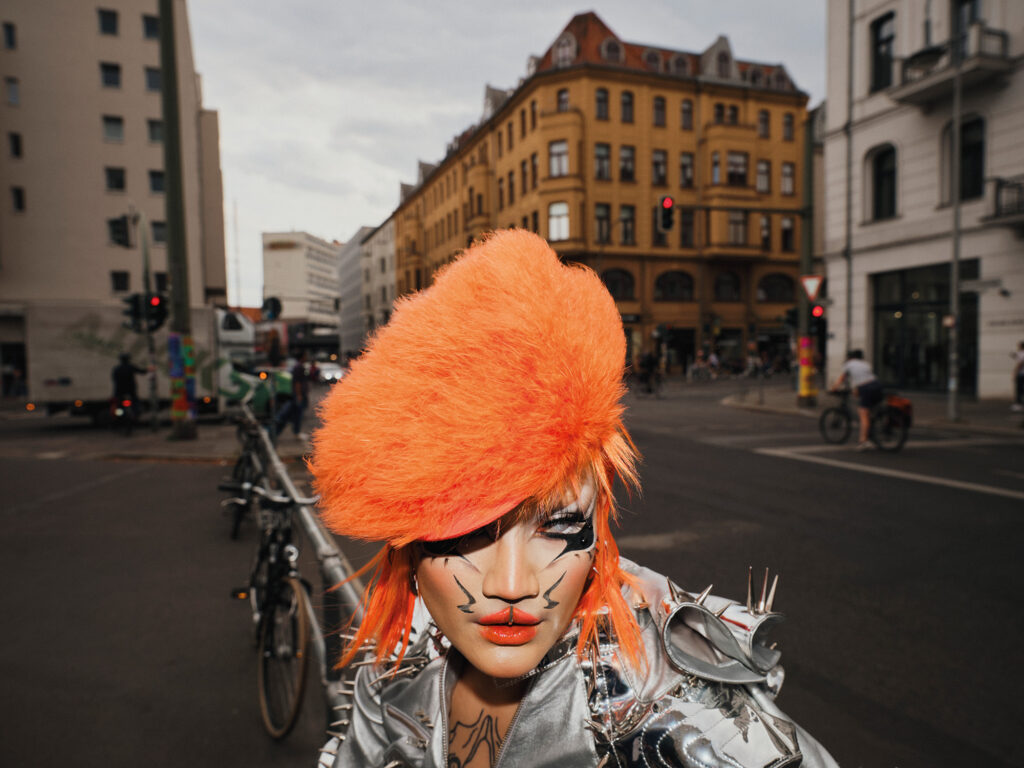
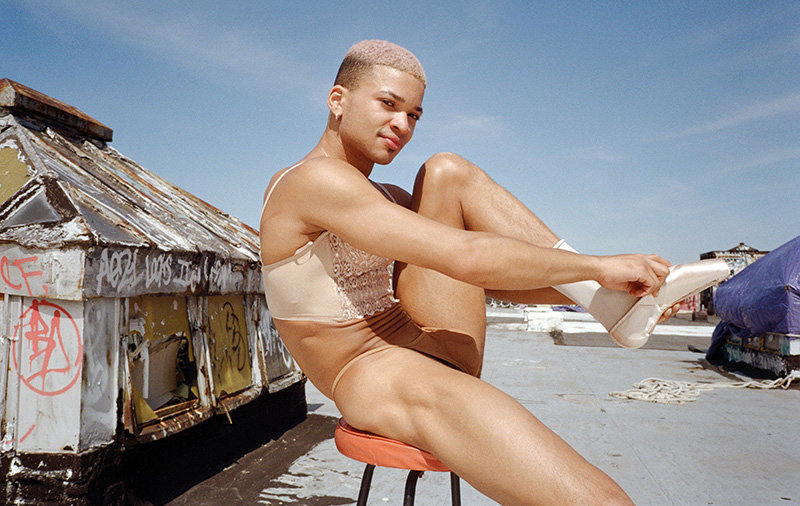
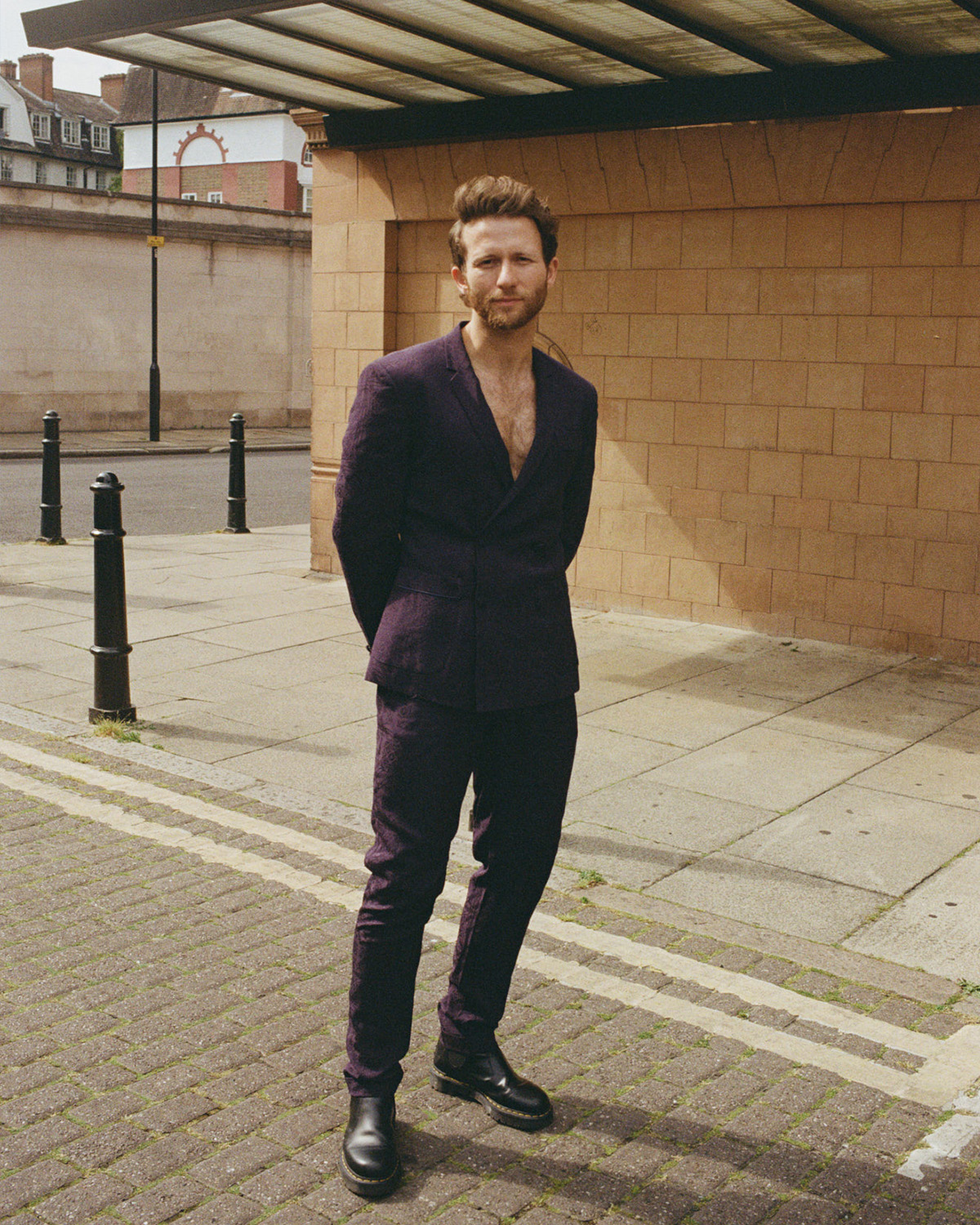
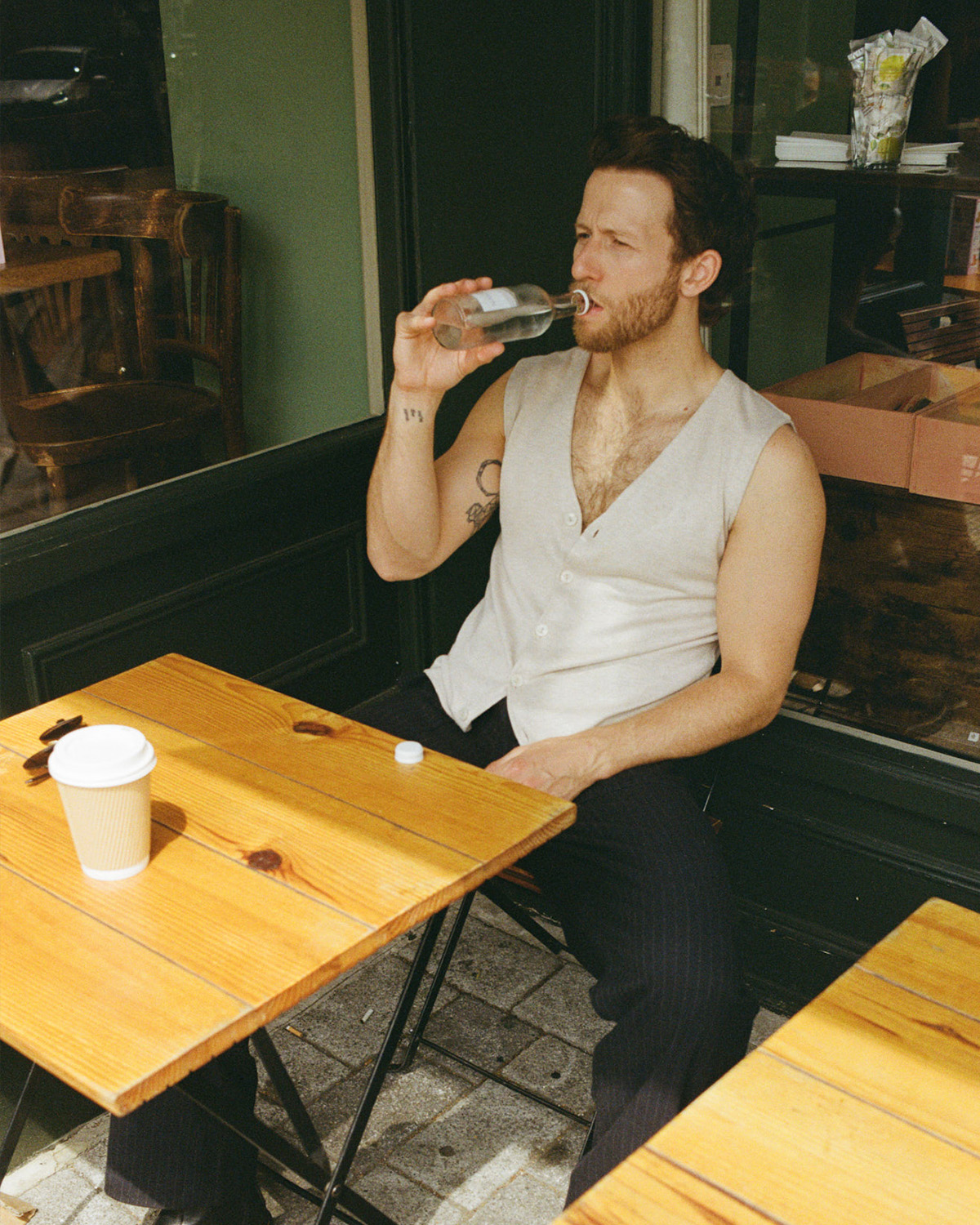
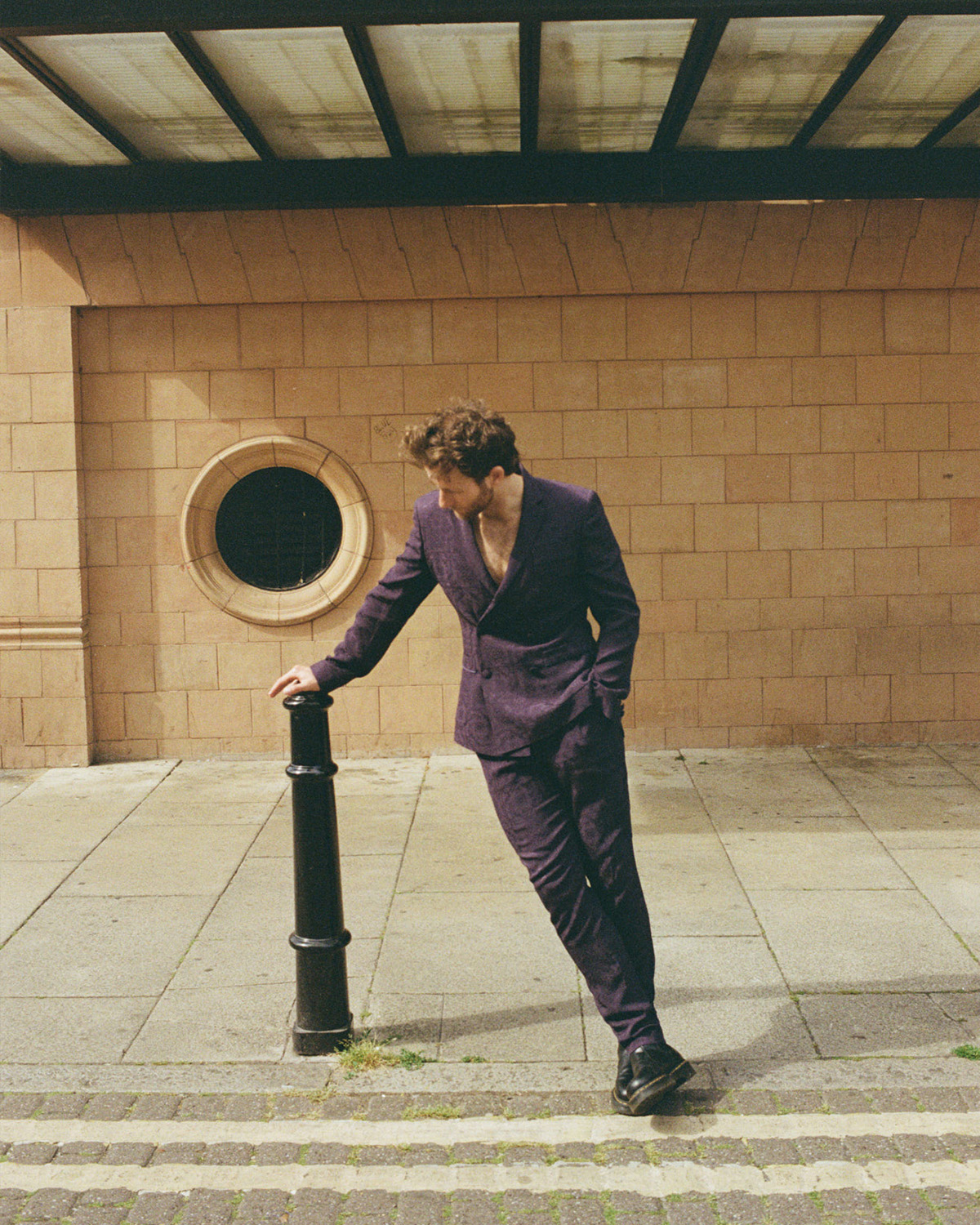
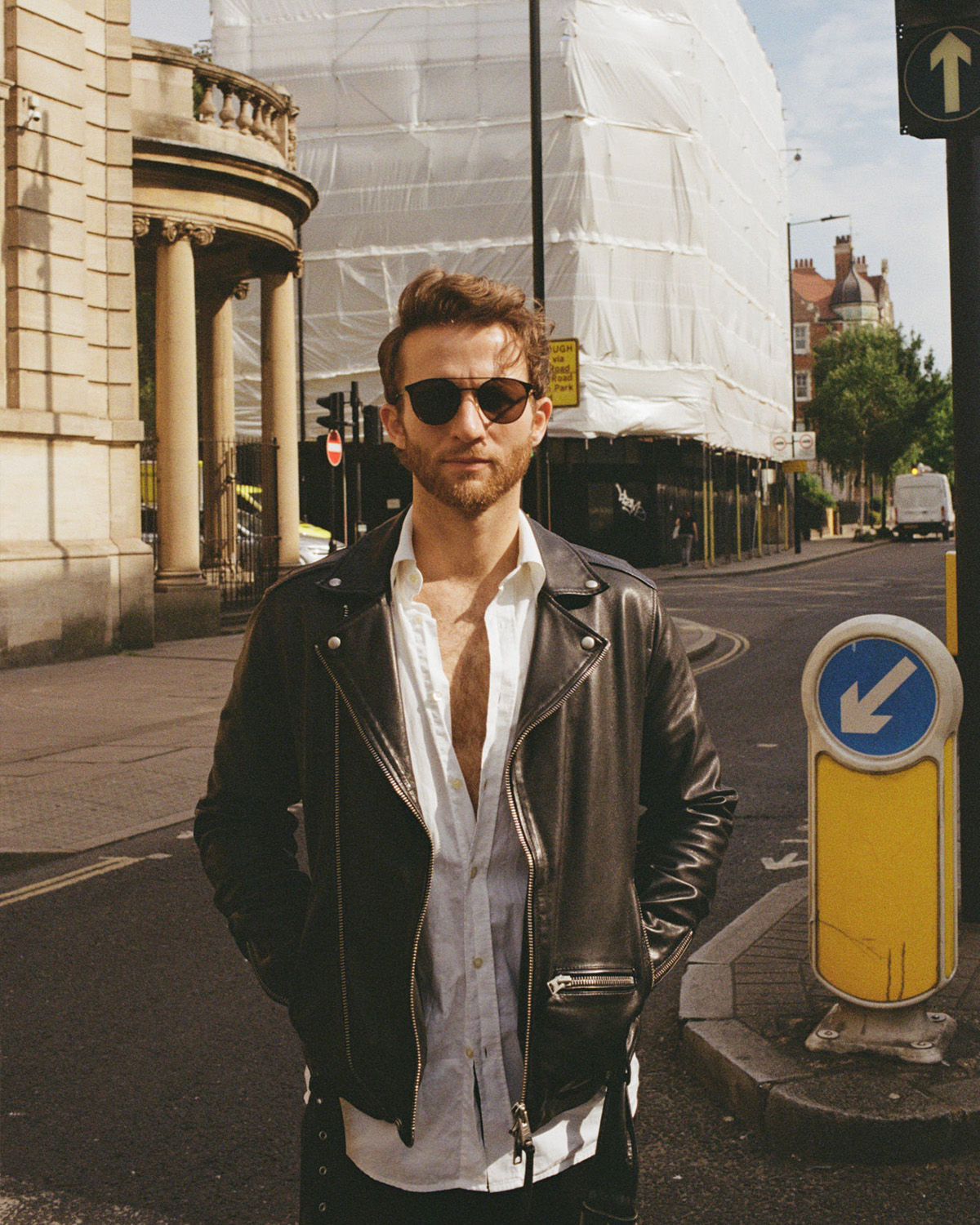
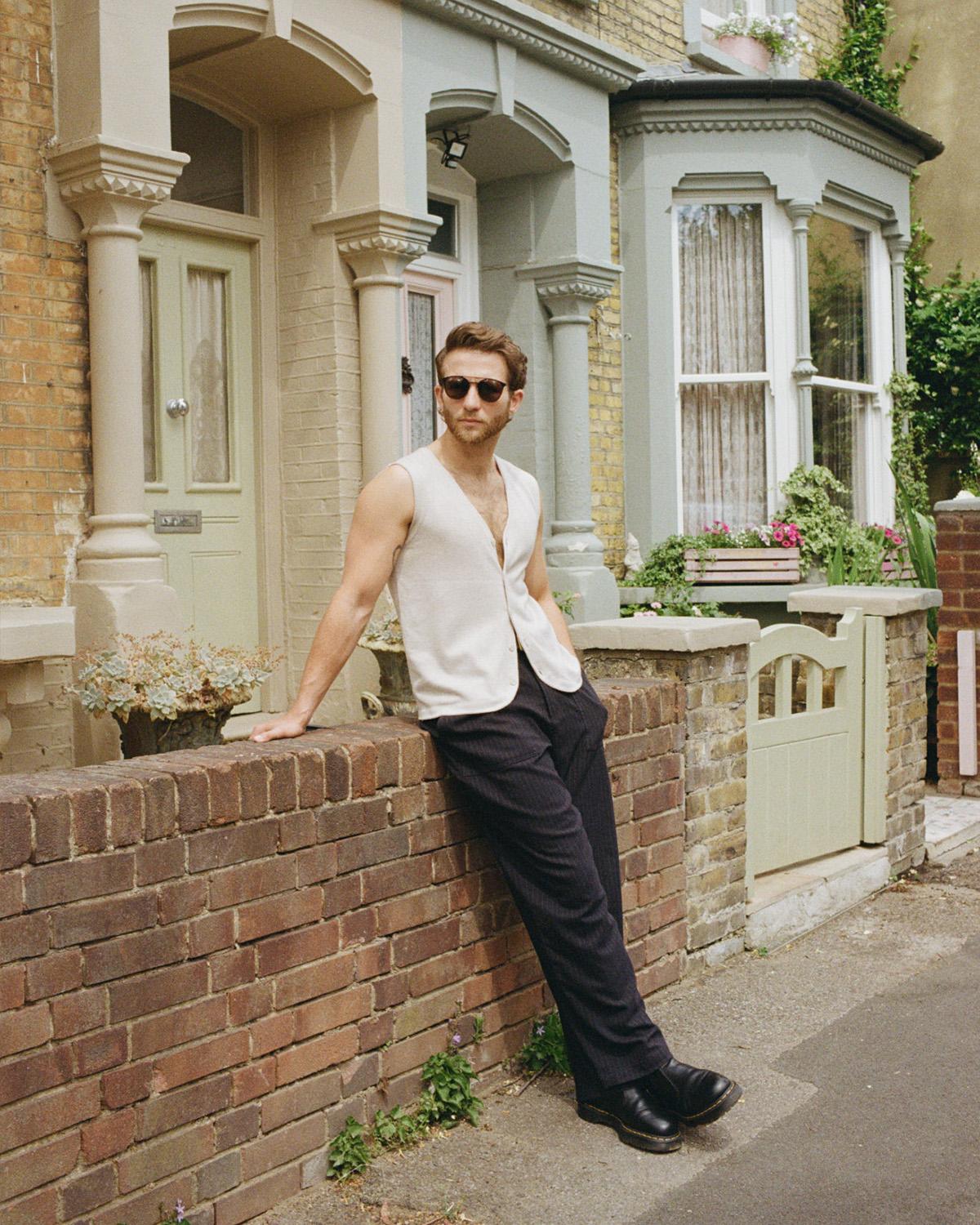
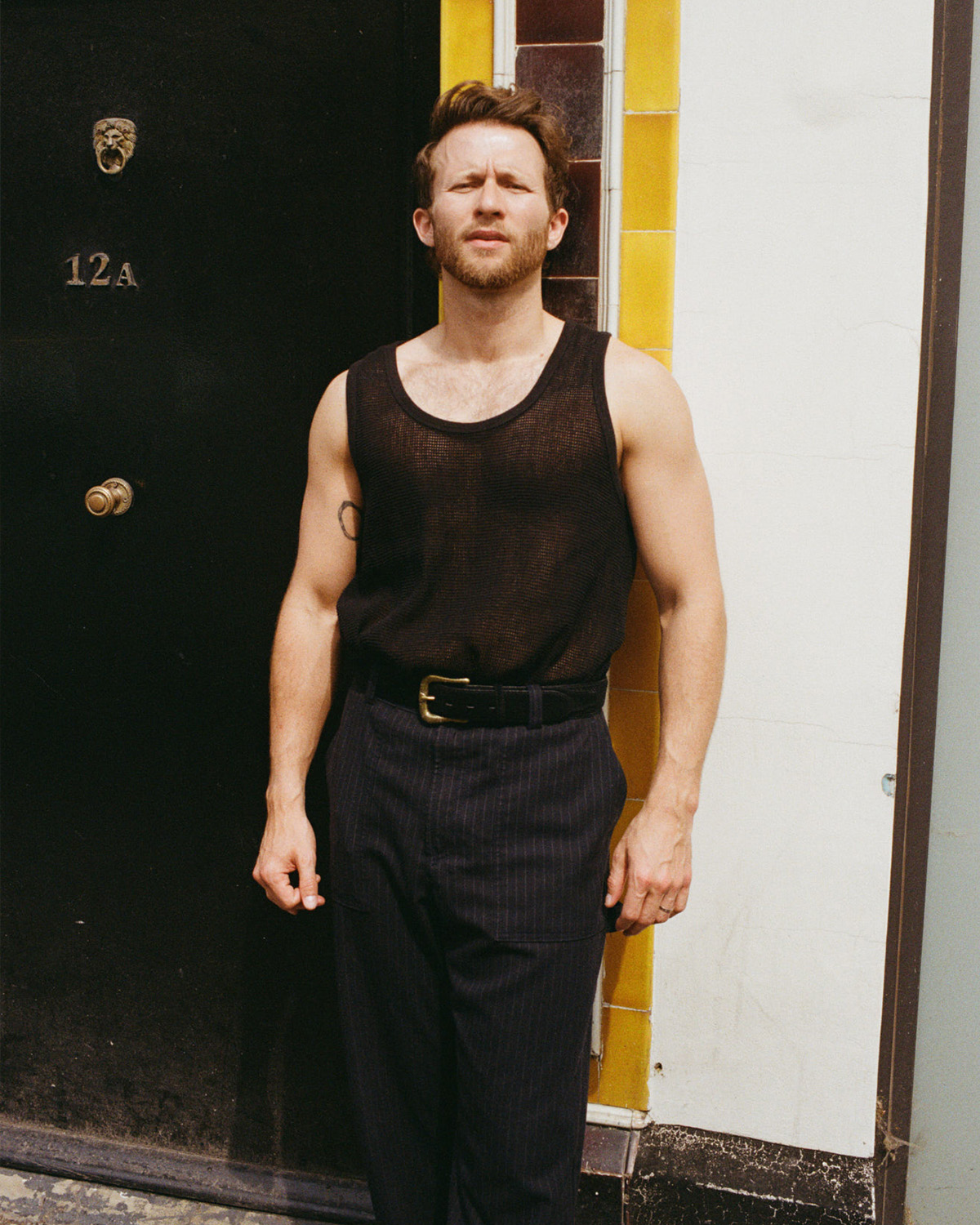
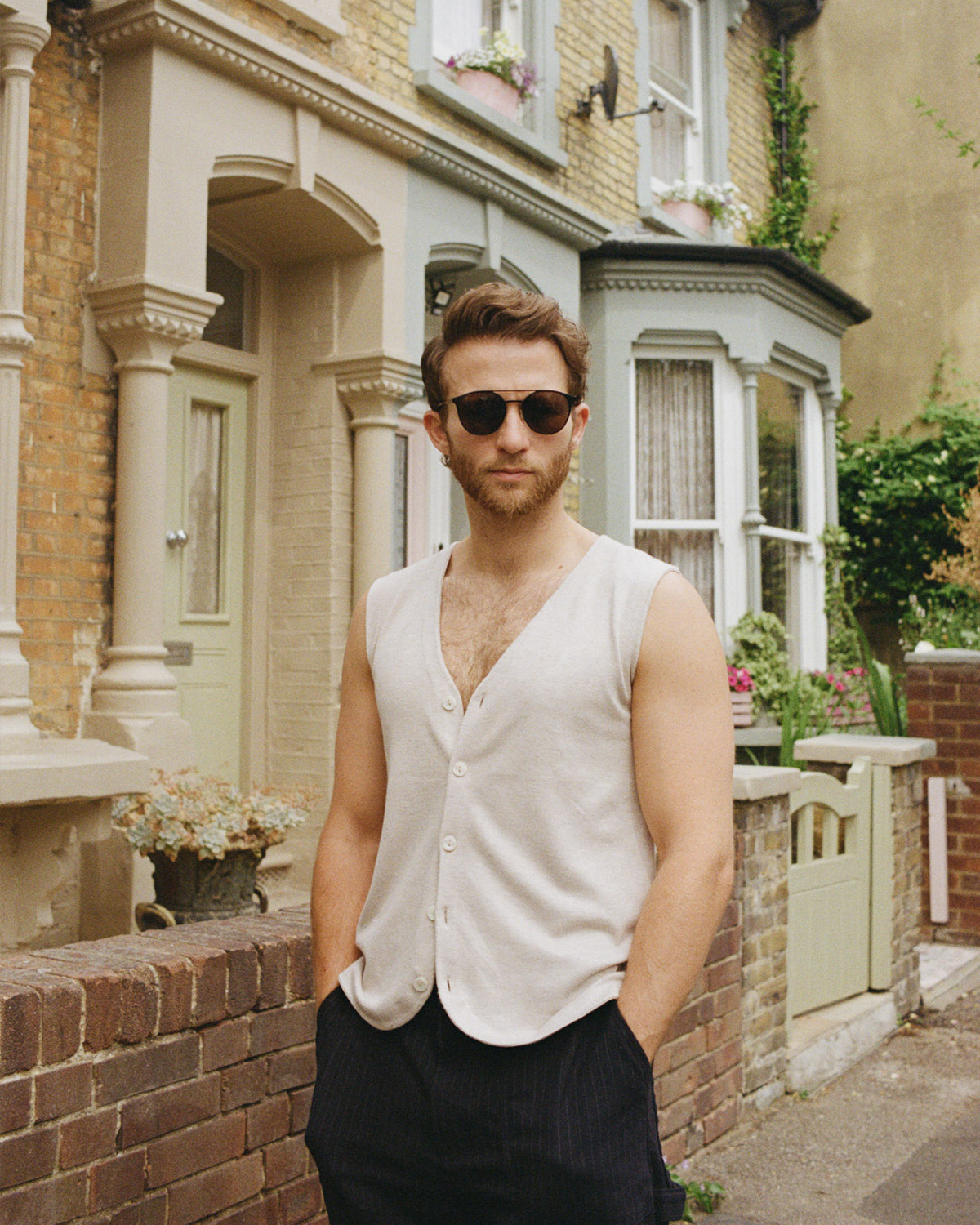
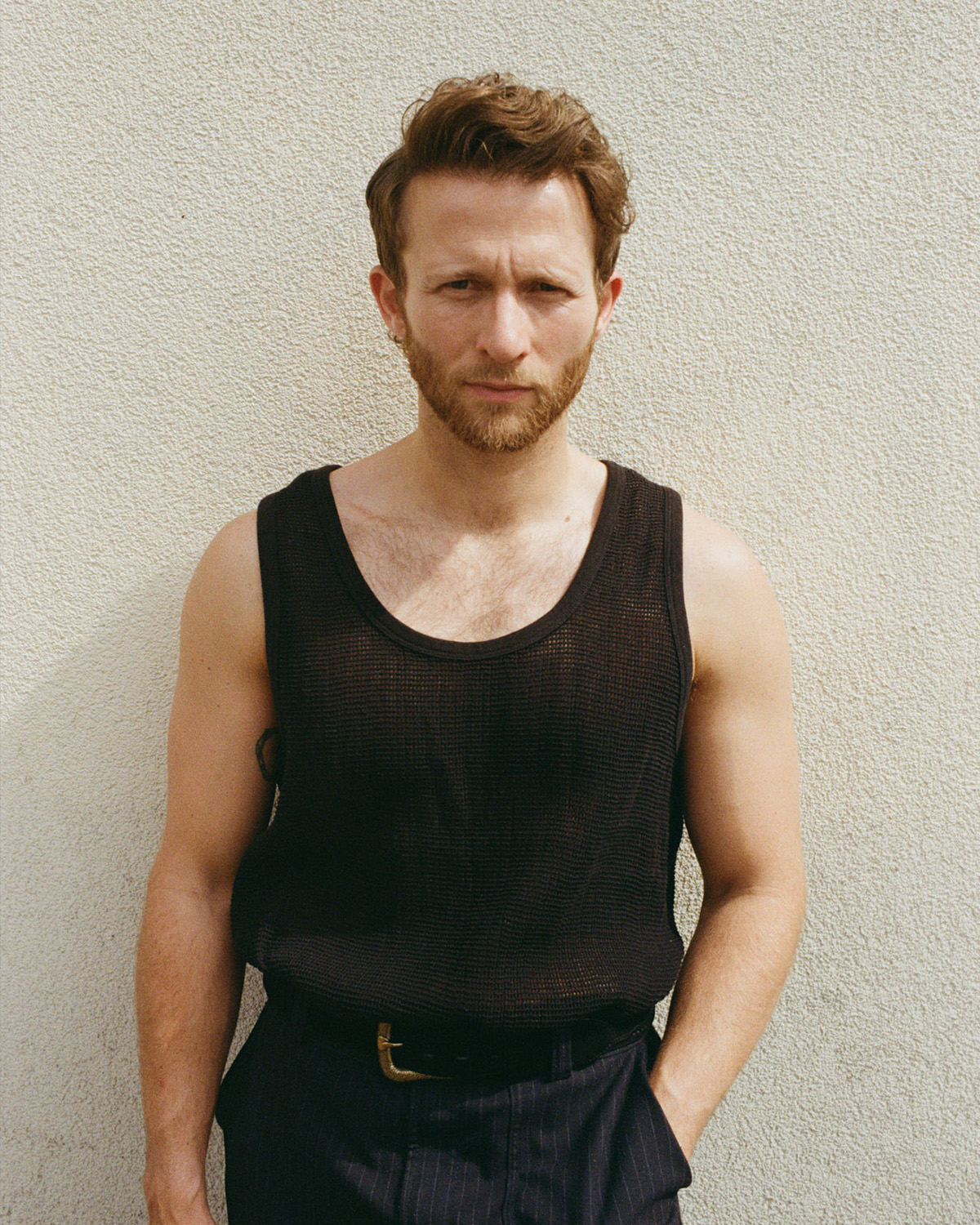
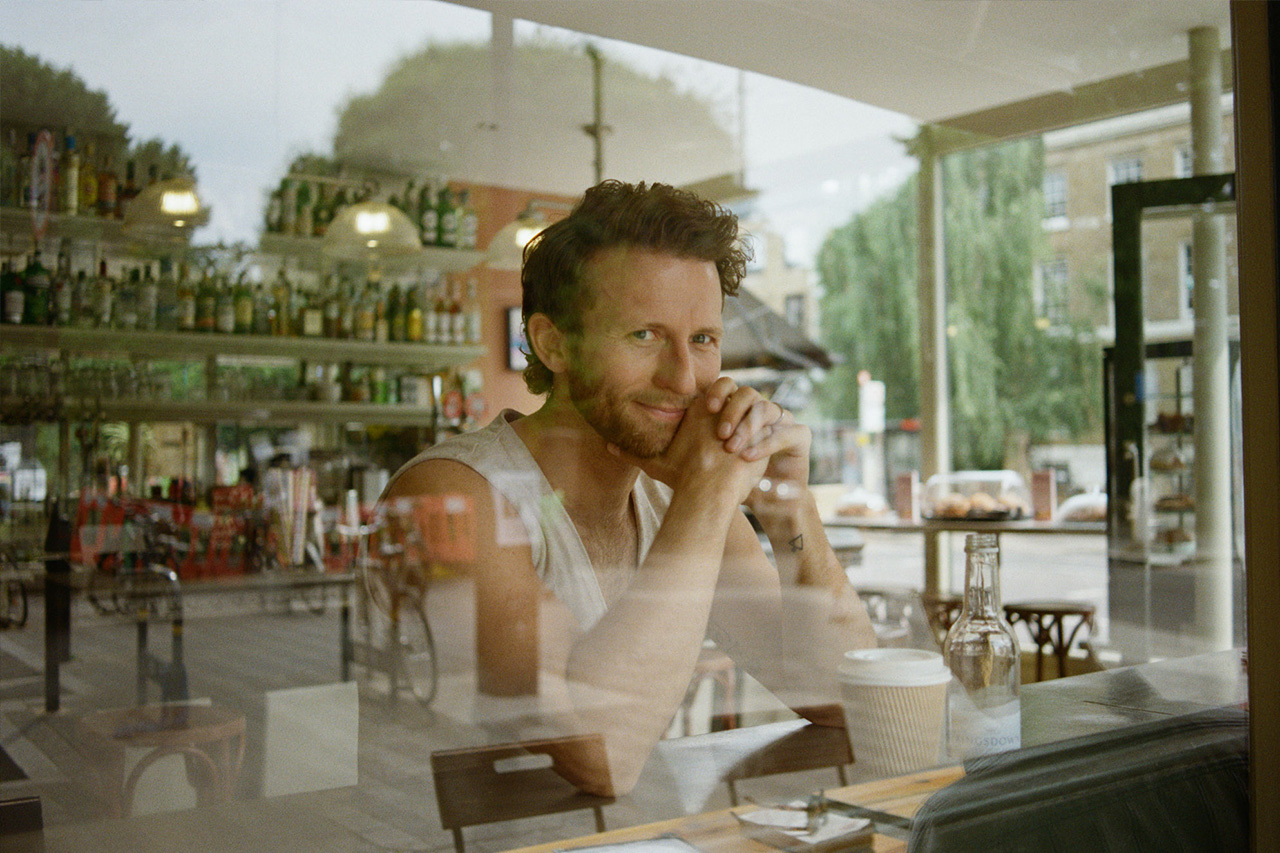
Moving through life with an open mind can go a long way, but the road to success is never straight – photographer Julien Barbès and actor Joel Harper-Jackson spent an afternoon in London, strolling through Hackney and enjoying the summer sun. In conversation with Container Love, Joel shares his thoughts on pride, shame, breaking stereotypes, and the sacrifices one is willing to make to succeed in one of the wildest, most unpredictable industries in the world.
Photographer Julian Barbès, Creative Direction Christian Ruess, Talents Joel Harper Jackson, Interview Zora Alber, Words Tom Veréb Czibolya
You’ve never been hesitant to share stories about your upbringing, about your family, about your coming out. Why is being transparent about your story, about your past, so important to you?
I think age is a big thing. I’ve always been a bit of an open book. But as I’ve gotten older, I realized life is far too short and therefore became even more honest, too honest sometimes! I’ve always believed in talking through the difficult things in life and acknowledging the moments you’re not so proud of, as there’s always a lesson to be learnt. I didn’t particularly like who I was in my early twenties. I was very angry, very cynical and had a rather large chip on my shoulder.
I think part of this frustration maybe came from growing up gay in a very heterosexual world. I experienced the things you’d expect a gay kid growing up in a small town to go through. I came out very young, eleven years old.
My mum was great with it, Dad not so much.
I always say my dad gave me the fire in my belly to succeed, and my mum gave me the soft and steady reassurance I needed; too much of one or not enough of the other could have led me down a very different path. Every family has their story, of course, and ours was no exception. Just as I was about to set off to college, we lost our family home due to money troubles, my dad went to prison for something he didn’t do, and the family just started to spiral, resulting in my parents having a rather messy separation. Around this time, I became someone who was just so angry at the world, and if I’m honest, looking back now, I don’t recognize myself. I trusted nothing and lost all faith in love and people. They say time is the greatest healer. After years apart, my parents actually got back together. Putting aside their mistakes and acknowledging their wrongs. This showed me the importance of honesty, transparency, and holding your hands up when you’re in the wrong. I should also say my dad is now my biggest fan.
I met my fiancé at around the same time they got back together. He’s changed me so much. He’s made me a better person. He has been through so much in his life, and I guess being around him and seeing how much stuff he’s had to put up with, and how good of a human being he still is, just made me go, well, if he can do it, so can I! I knew I needed to stop holding on to this anger I was struggling to let go. Mum and Dad falling apart just made me lose hope, wondering whether there was such a thing as “forever”? My partner made me reassess all of that. He’s made me more considerate of others and also my own emotions. I’m a better version of myself now and probably need to be a bit kinder to myself.
Is this something that drives you in your career?
I feel like I have always had this huge desire and need to progress and get better in any way I can. There’s a book called The Velvet Rage by Alan Downs. It’s about growing up gay and feeling like we’re constantly being told that we’re wrong, we’re dirty, we’re not right, we’re an abomination. It was written in a different time, but there is still so much relevance.
Thinking that something is inevitably wrong with you can make you want to overachieve, just to prove them wrong. Like, “Look how much we’ve achieved! How much we’ve done! We must be good enough, then, right?” We are overcompensating for the words that were said to us when we were kids.
Of course, I resent what we, the queer community, have experienced, but in ways I have to say, I don’t. I think it made me very ambitious. And I love how ambitious I am, and I think it’s great to be like that. I have pushed myself to do things I didn’t necessarily think possible, but did it anyway, and much good has come from it. It makes me proud.
How do you perceive the topic of queerness in the acting industry?
Where do we begin? I do think the industry is a far more welcoming place for the LGBTQ+ community than ten years ago. Things have definitely improved. When I was younger, I felt that in some rooms, if I came across as “too gay”, the panel may just see you as that and that only. I saw it happen to talented, larger-than-life, fabulous friends – only being cast in gay comedic roles. I didn’t want that to be my story.
I thought I should play the game. Lowering my voice, “toning it down” and filtering my homosexuality to be more “digestible”. I remember someone saying in a rehearsal, “Oh wow, you’re so straight acting, I never would have thought you were gay!”, like it was a compliment I’m supposed to be flattered by. However, things are better. There is much more representation and queer stories being told now, which is wonderful to see, but there is still an awfully long way to go. Personally, I would like to see more members of the LGBTQ+ community leading big blockbuster queer films. Now I’m not of the opinion that only queer actors should play queer roles; for one, I’d like to continue playing straight roles when they come along, so I’d be a hypocrite if I thought otherwise. Of course, it would be nice if the best person for the job got the job, but ultimately, studios need to sell tickets, and big names sell movies.
So for me the question really is, why aren’t there more openly gay actors who are “stars”, who have box office clout? Do the people at the top still think gay actors just aren’t marketable and won’t appeal to the masses? I don’t know. It’s lovely to see the younger generation coming out and being their unfiltered true self. I wonder where I would be now if I hadn’t toned myself down.
You felt you had to tone yourself down to fit in?
This is not always a kind industry. It’s extreme – high highs and very low lows. That being said, I absolutely love it. I do believe that without this industry, I’d most likely still be in my hometown. I’ve done some incredible things because of this career, and met some of the most wonderful people. Art can awaken and change people. That’s powerful, and it makes the pain worth it.
Acting has never been just a job for me. It gives me joy and a voice I once didn’t have. So, of course, it’s part of my identity. If identity is what you commit your life to, what you spend time doing, or what everyone knows you for – it’s part of my DNA. Honestly, I’d hold acting higher than being queer in terms of identity.
As an actor, did you ever consider being political as some kind of a duty?
Being an actor can sometimes afford you the luxury of having a platform to use your voice for good, which is fantastic! To help people and inspire others for greater good. However, ultimately, I believe actors are actors and not politicians. When I was younger, I was very political. I always had an opinion on something, always at some sort of demonstration, posting things online, and arguing with my parents because we held differing political views.
But a few years ago, I was reading the news and suddenly felt completely and utterly powerless to what was going on in the world, and it filled me with so much anxiety. After that, I started to digest less and I started to feel myself again. I’m not ignorant to what is going on in the world, but I’m no longer letting it consume me. But I live in central London: I cycle every day into town, and my commute is past 10 Downing Street. Every single day, there is a protest outside the gates of 10 Downing Street. It’s hard to switch off from that.
In what way do you see acting as a form of activism?
A director once told me, “We’re not saving lives, but we are changing them.” That stuck with me.
Stories inspire people. They have the ability to alter something inside people. I’m a storyteller. I want to tell stories until my last days. Last year, I had the privilege of performing in Standing At The Sky’s Edge in the West End. I played a man named Harry Stanhope. A very proud man whose life was destroyed by Thatcherism, and, unfortunately, he saw no way out and ended up taking his own life. After the shows, on some occasions people would come up to me and say, “That was my dad’s story.” To shine a spotlight on those people’s stories is my version of activism, I guess.Many people tie their opinions to their identities in a way, making them appear closed off to new ideas. How can one keep an open mind?
Let go of judgement and ego. Opinions change. If that means your identity changes too – that’s okay. We’re all individuals and all have different points of view. It’s important to respect others’ differences even if you don’t necessarily agree with them.
Read more Related Posts

Check out more categories