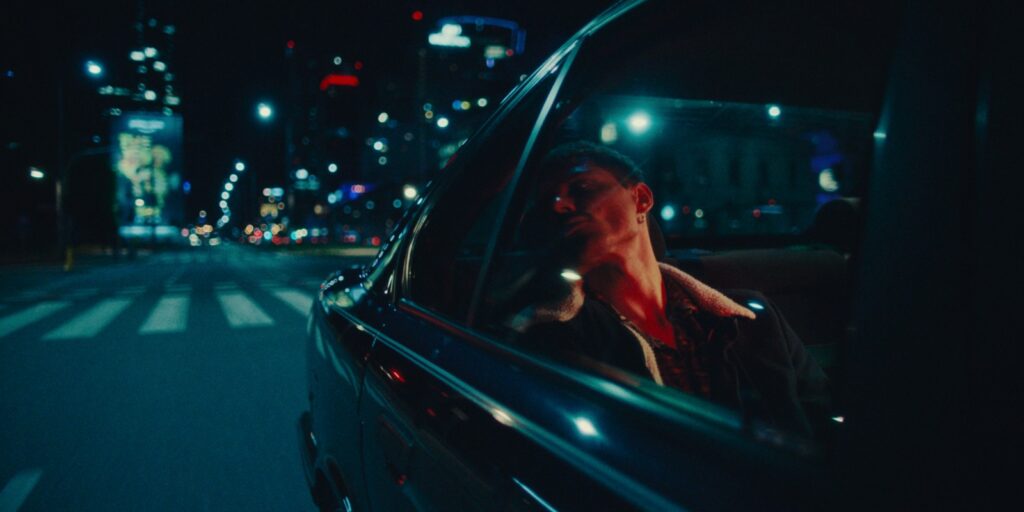
Alectra Rothschild: Beauty Is My Vanity, Beauty Is My Sanctuary
Photography Feyd Angeles
Words Tom Veréb Czibolya
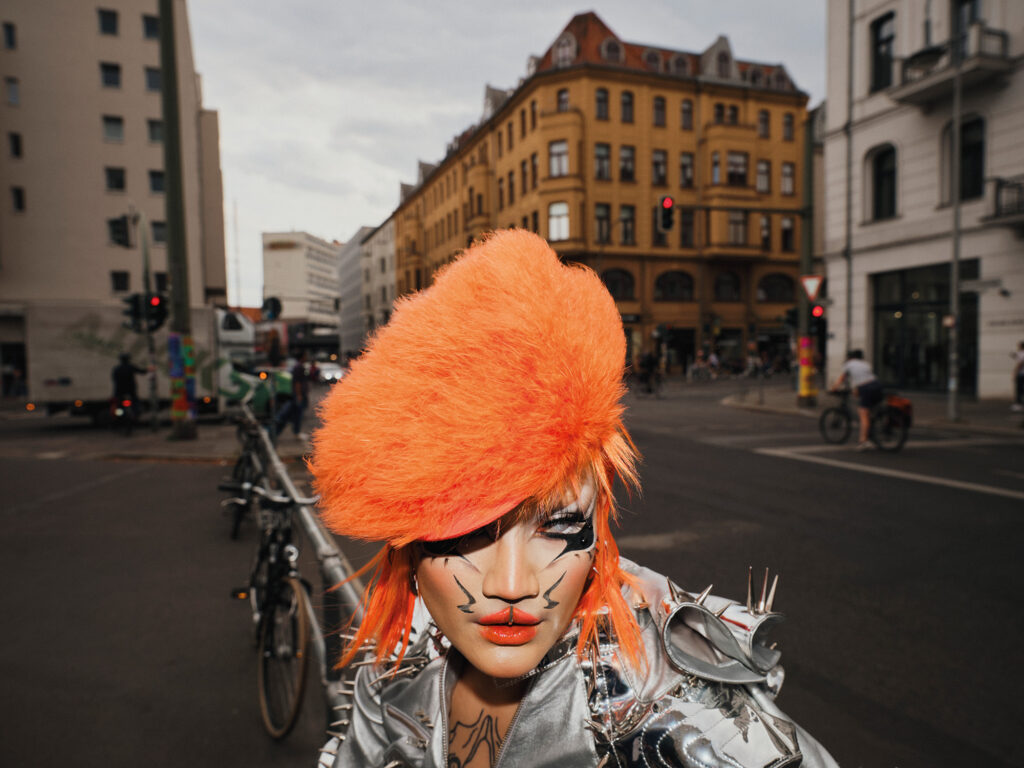
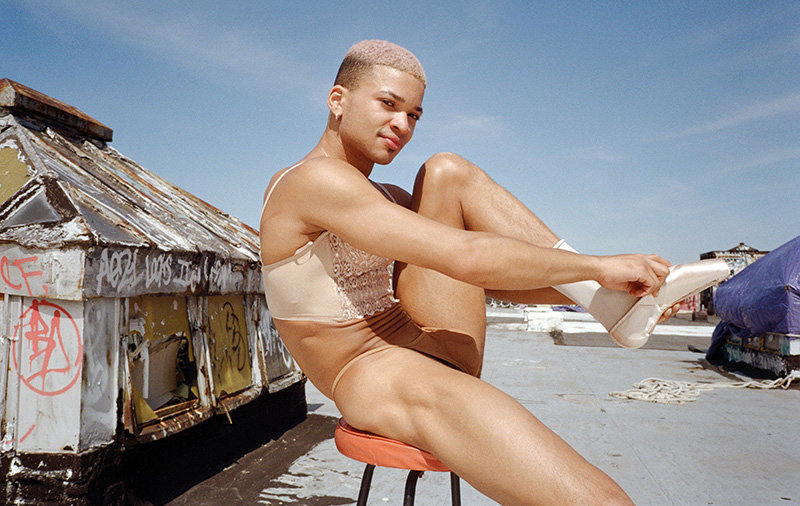
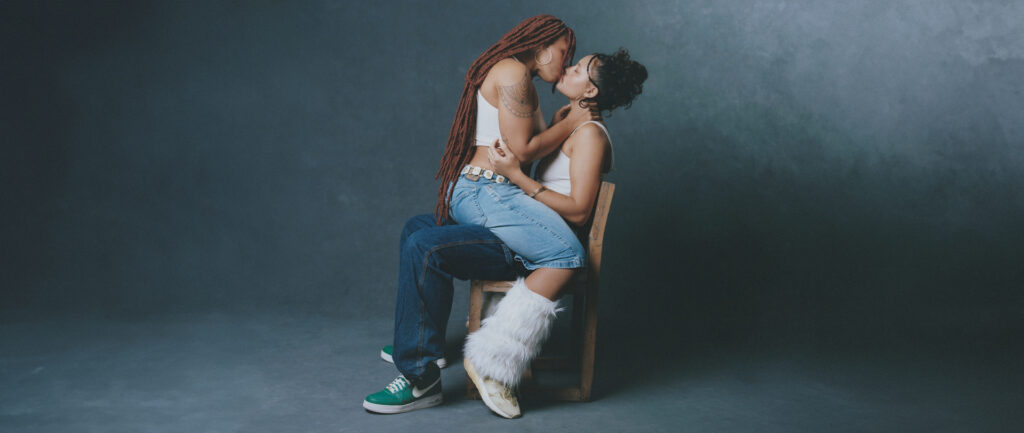
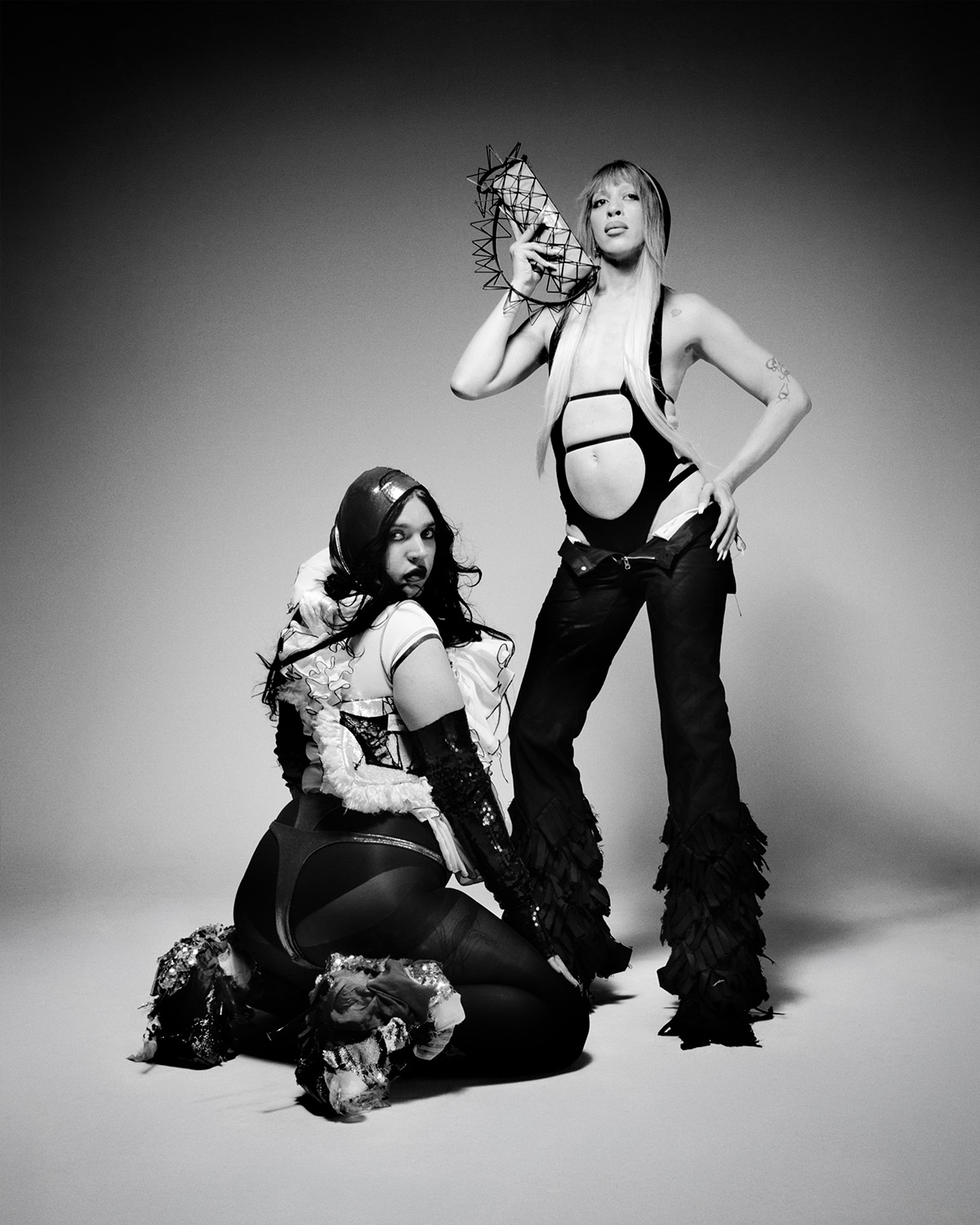
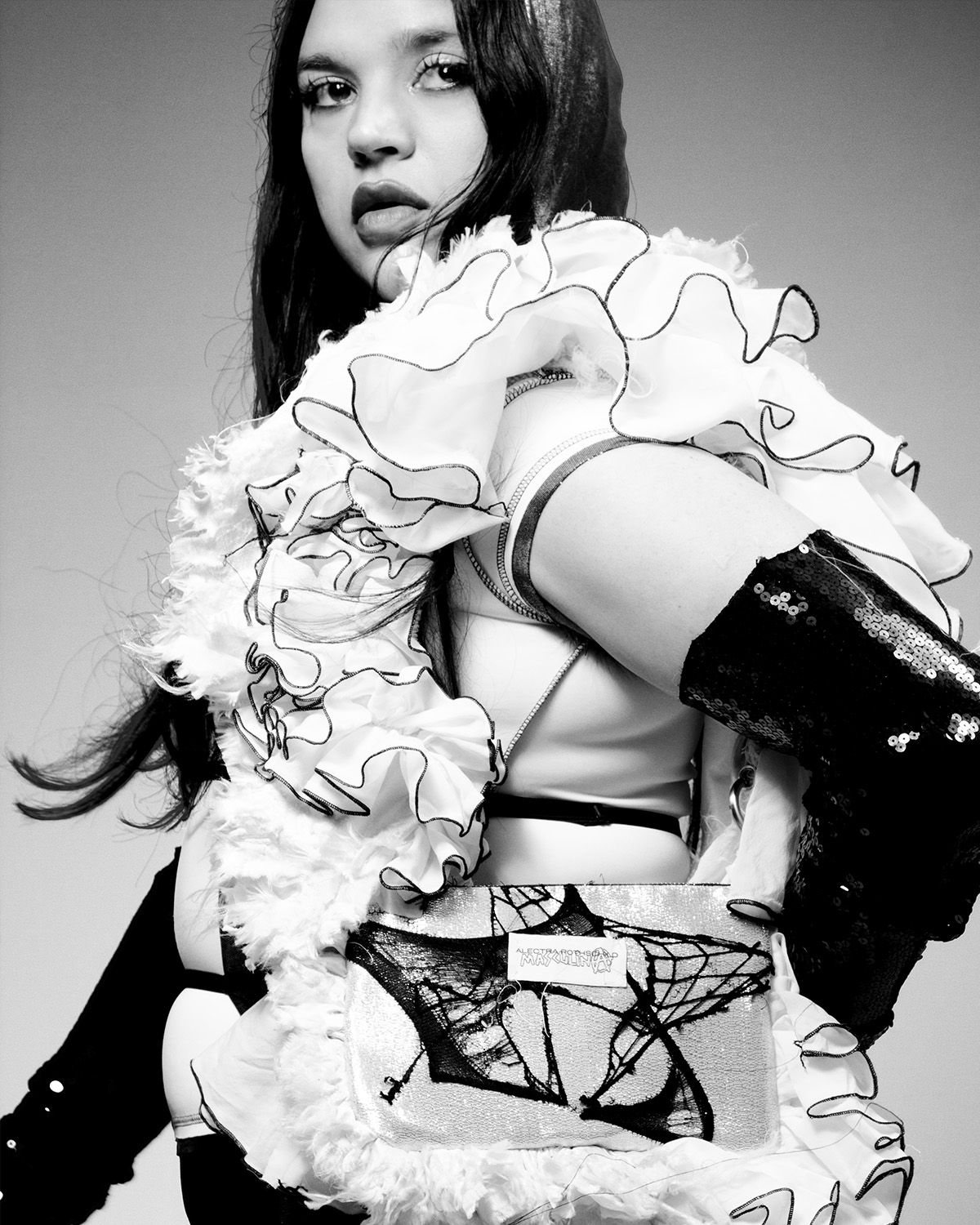
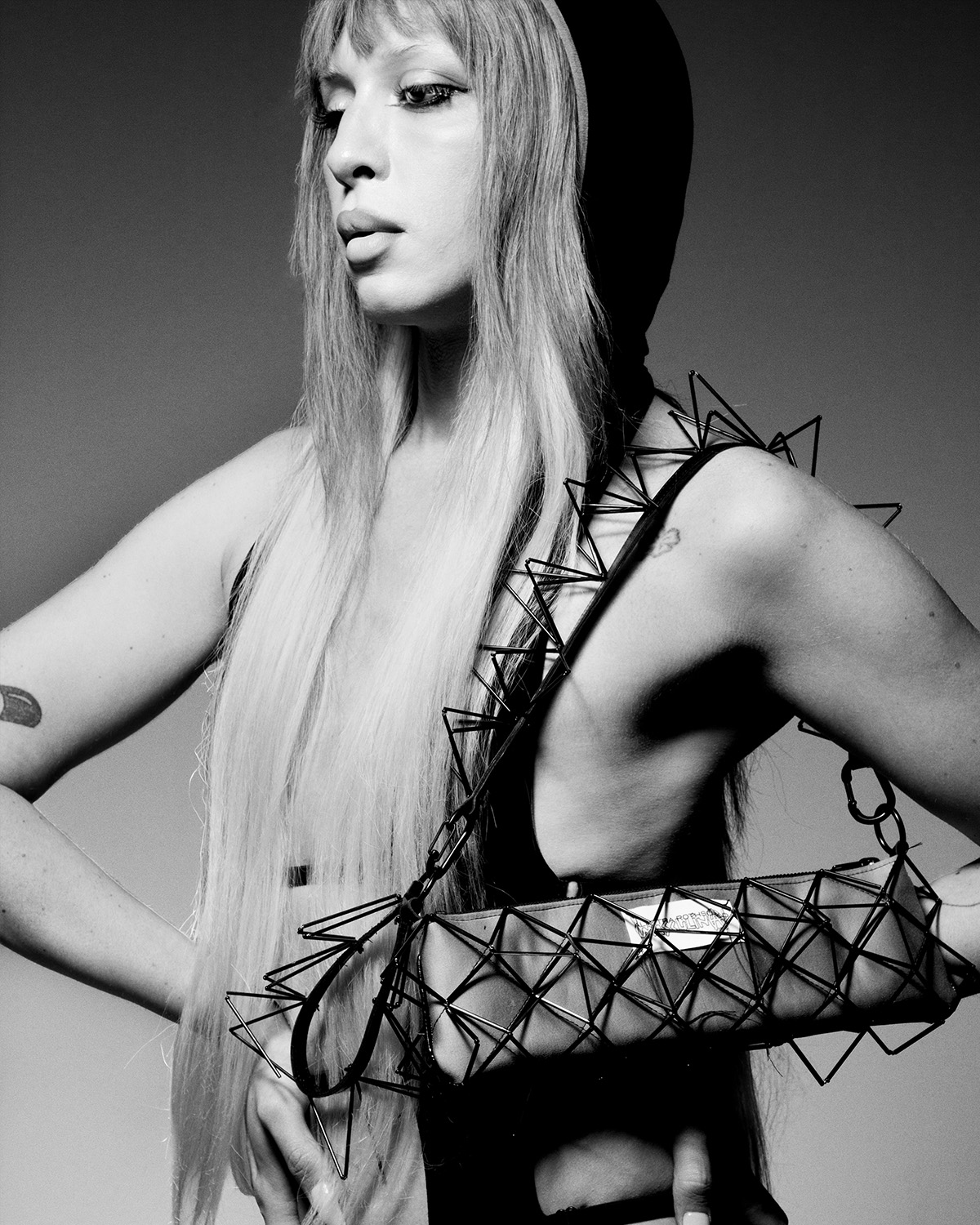
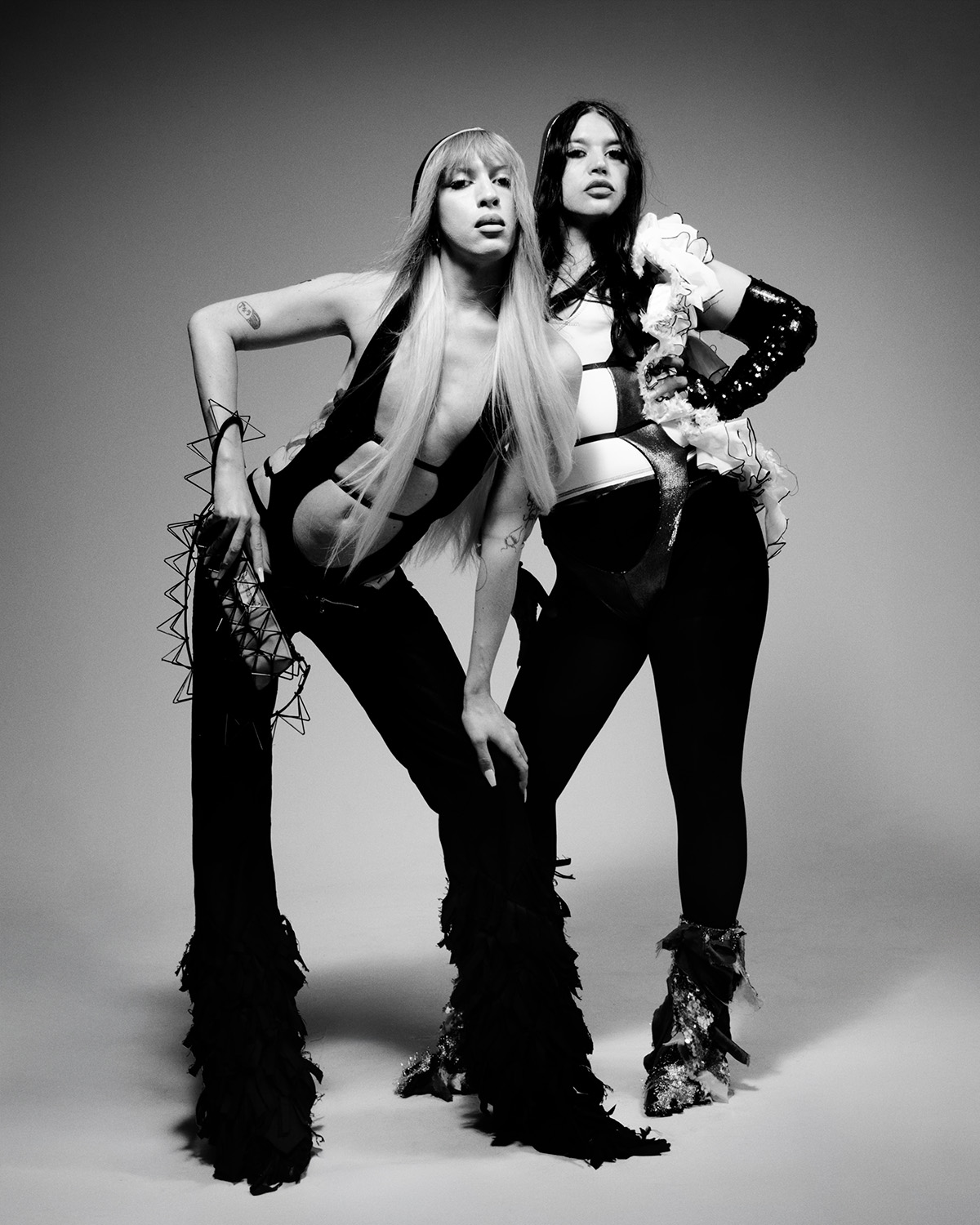
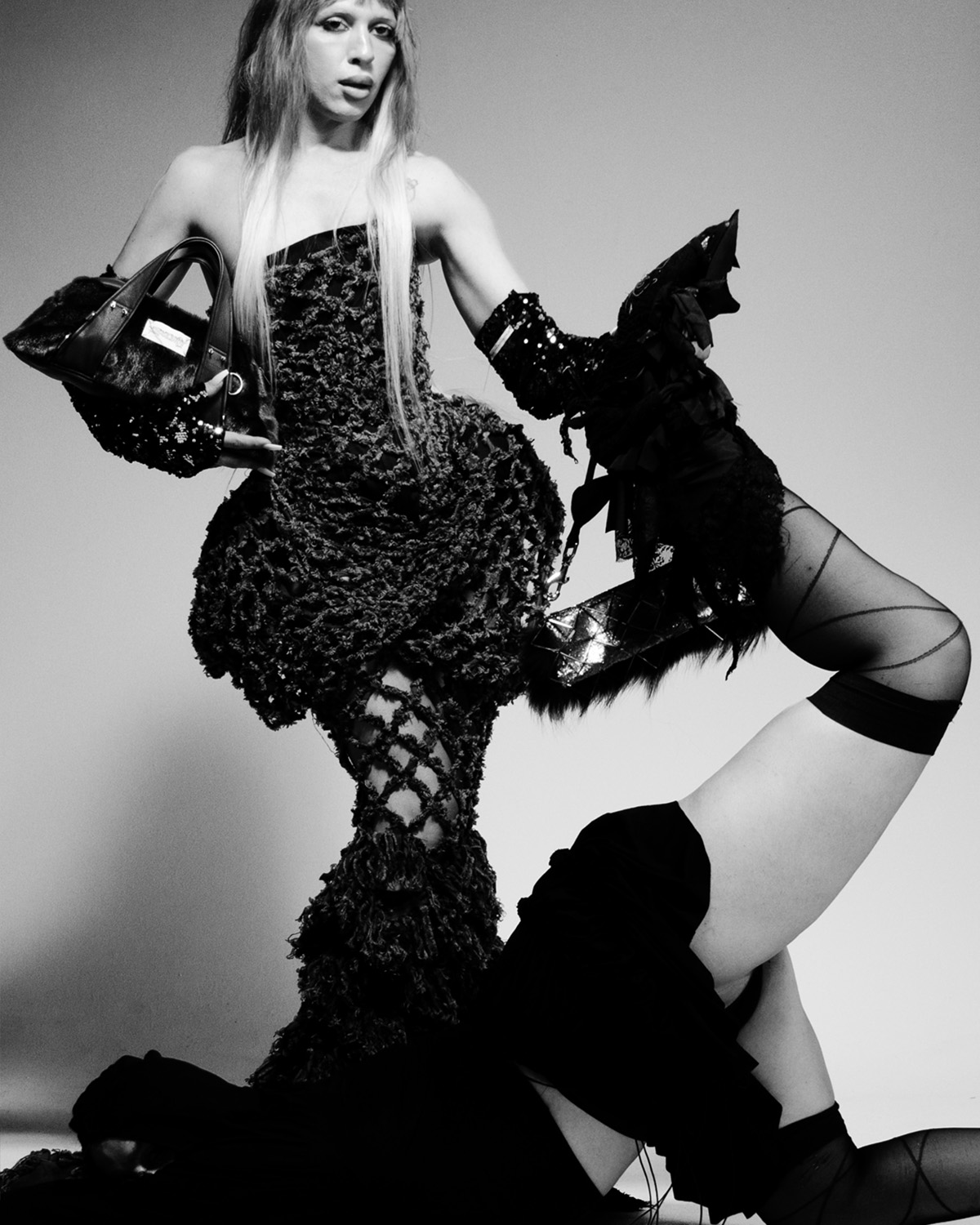
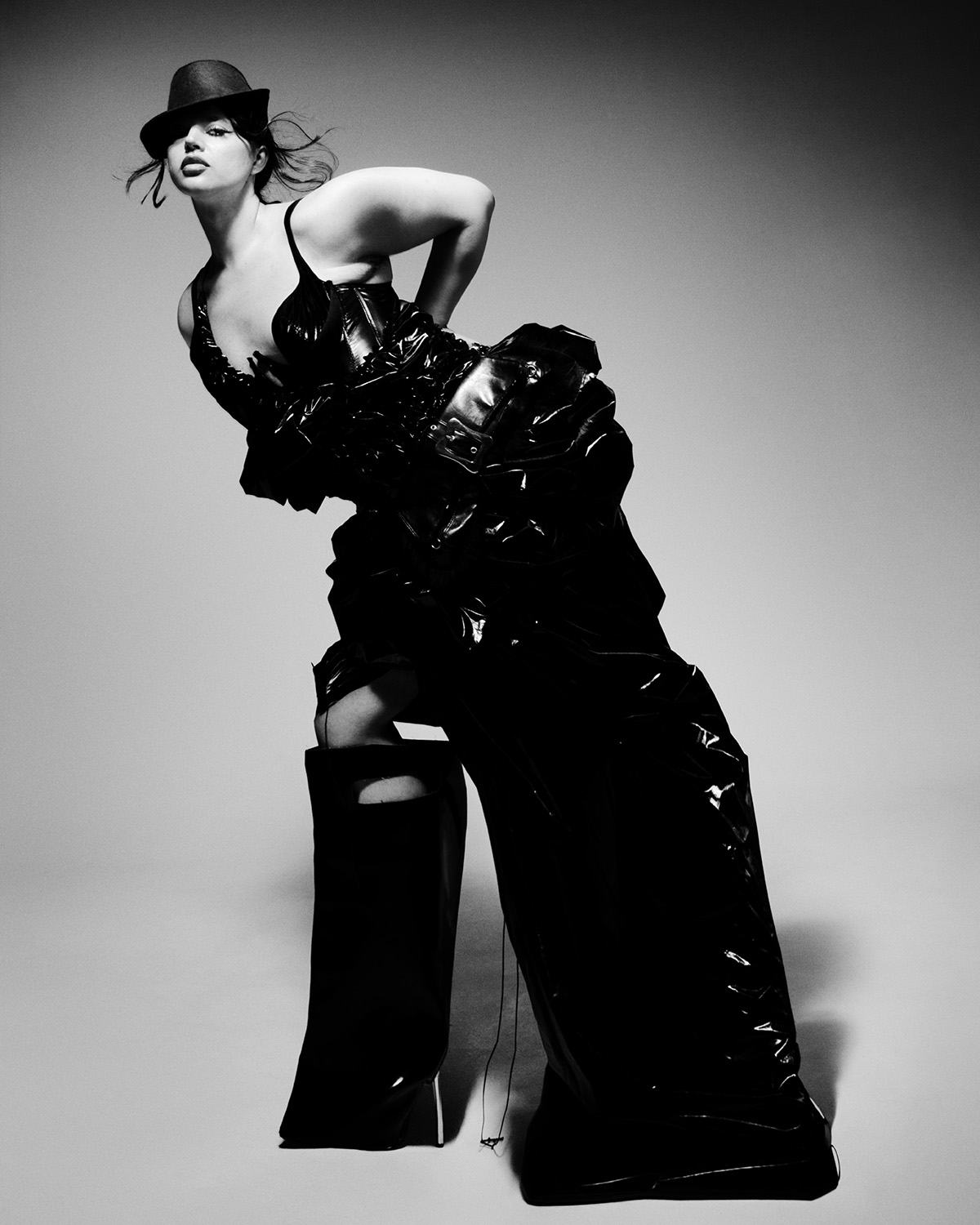
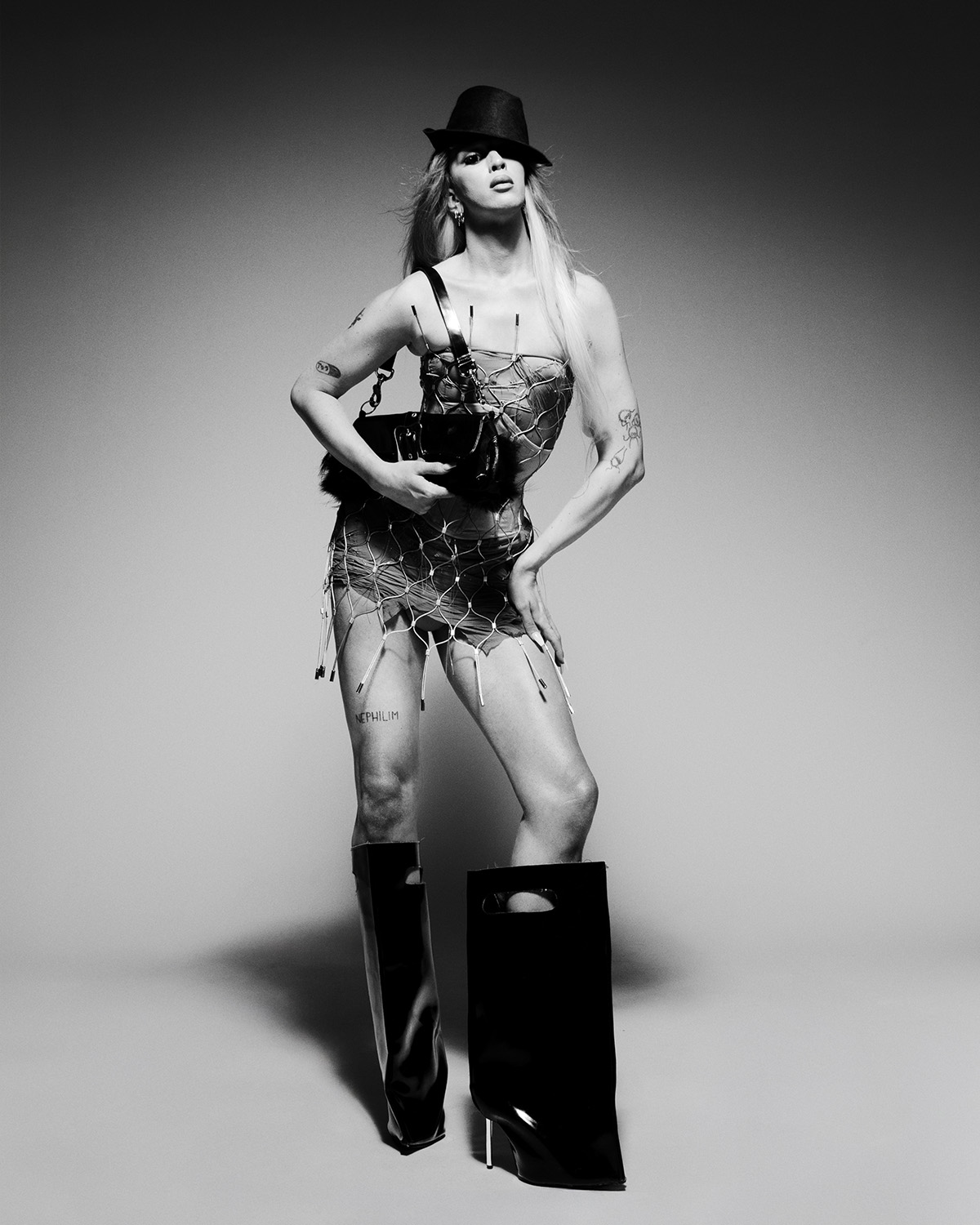
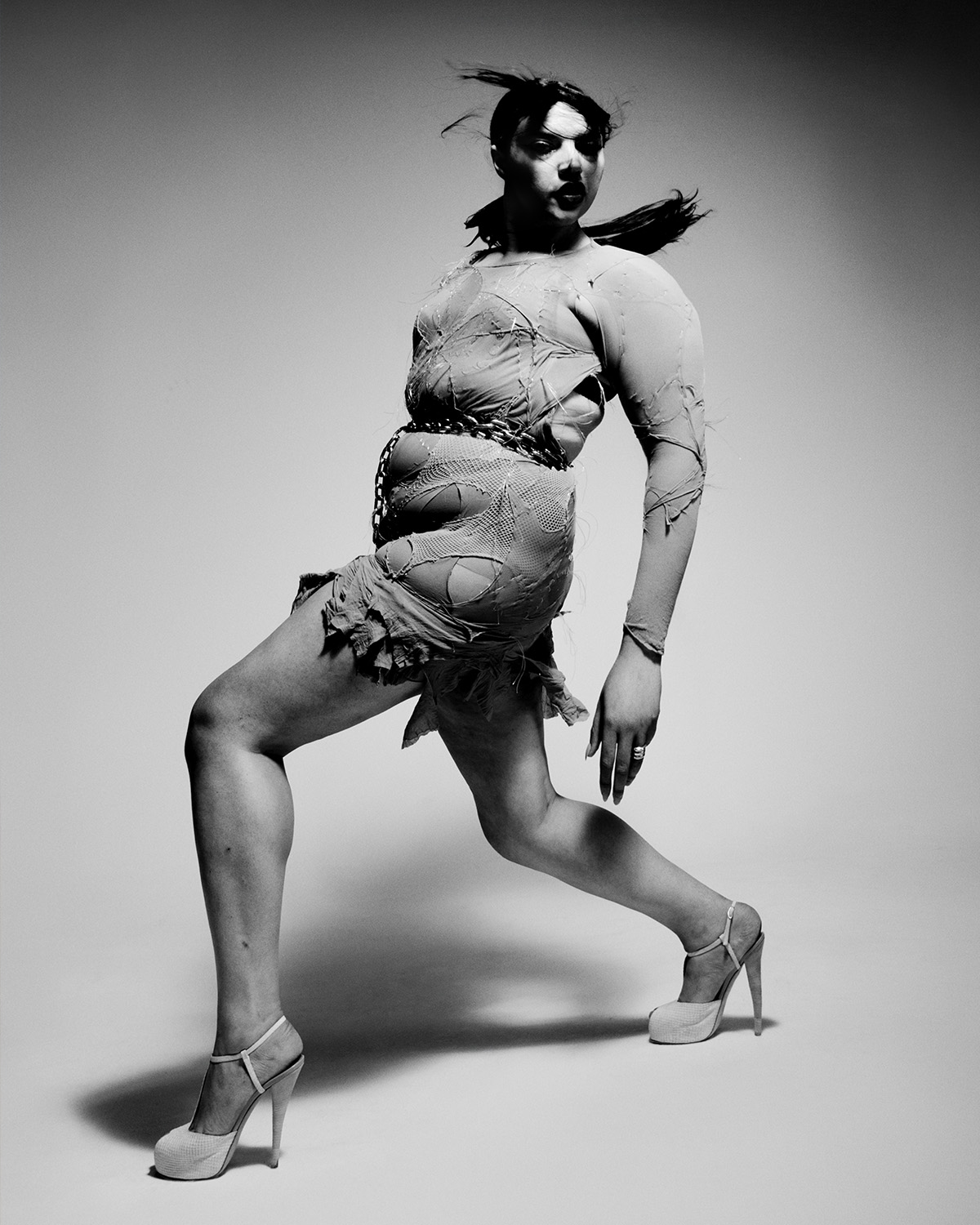
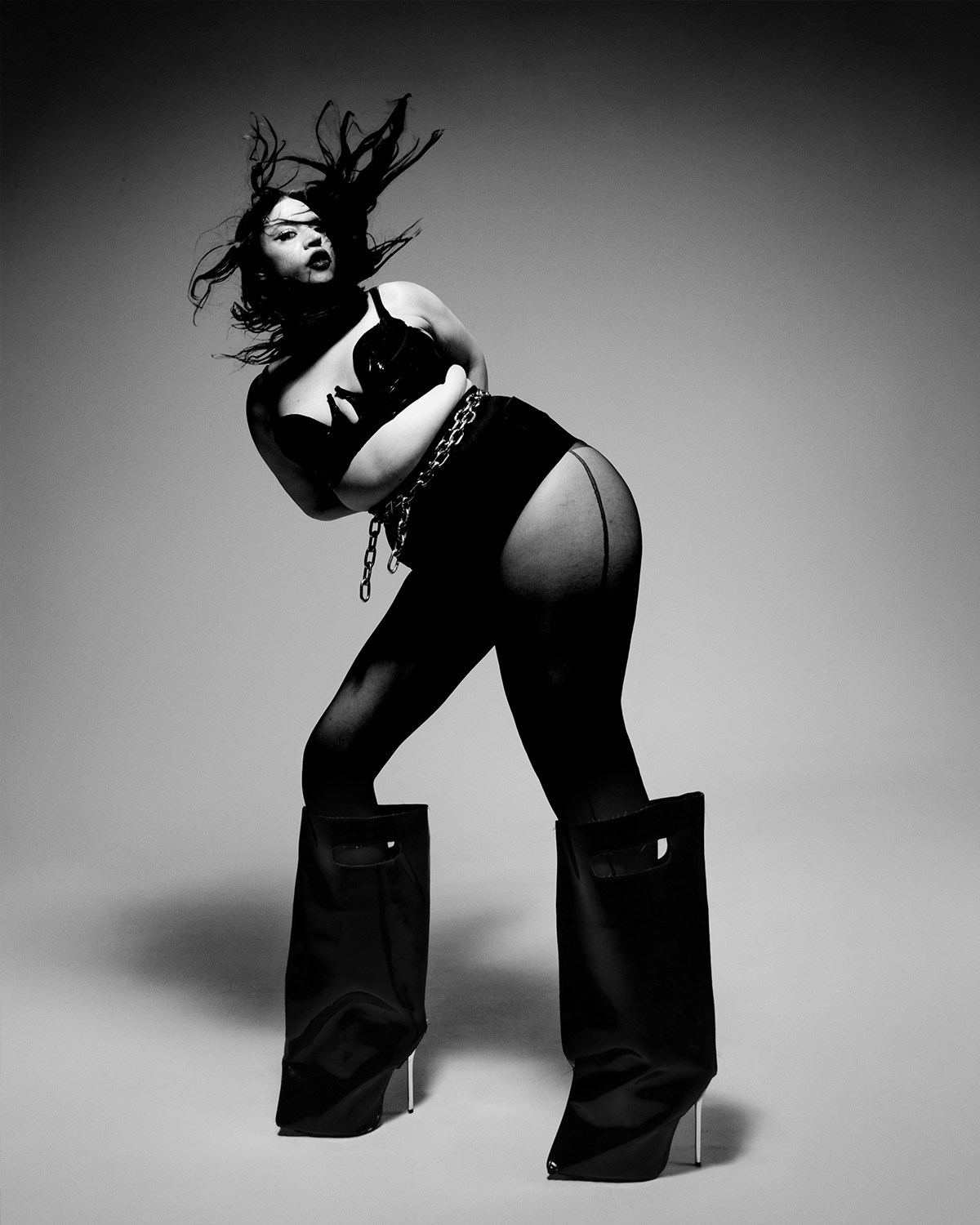
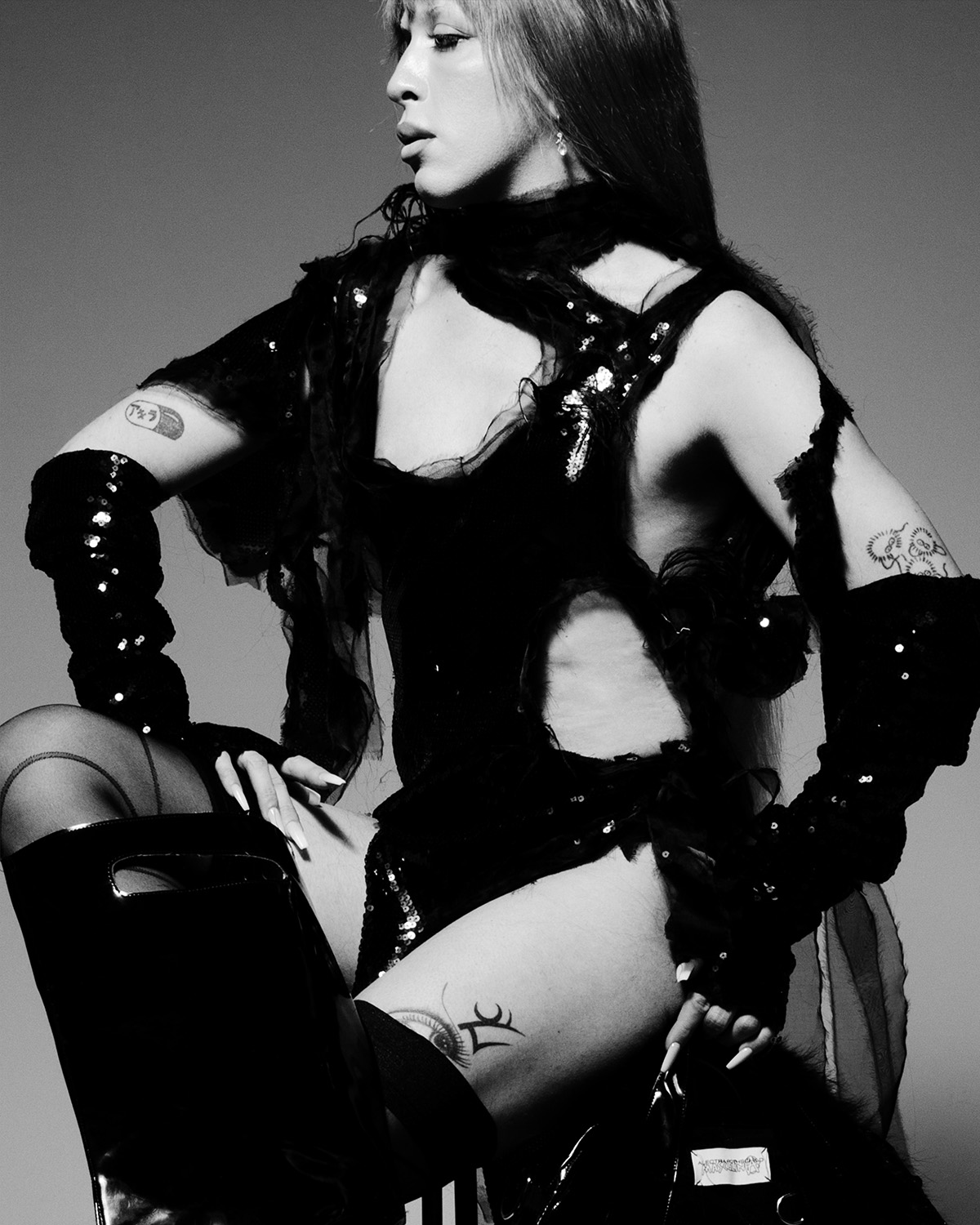
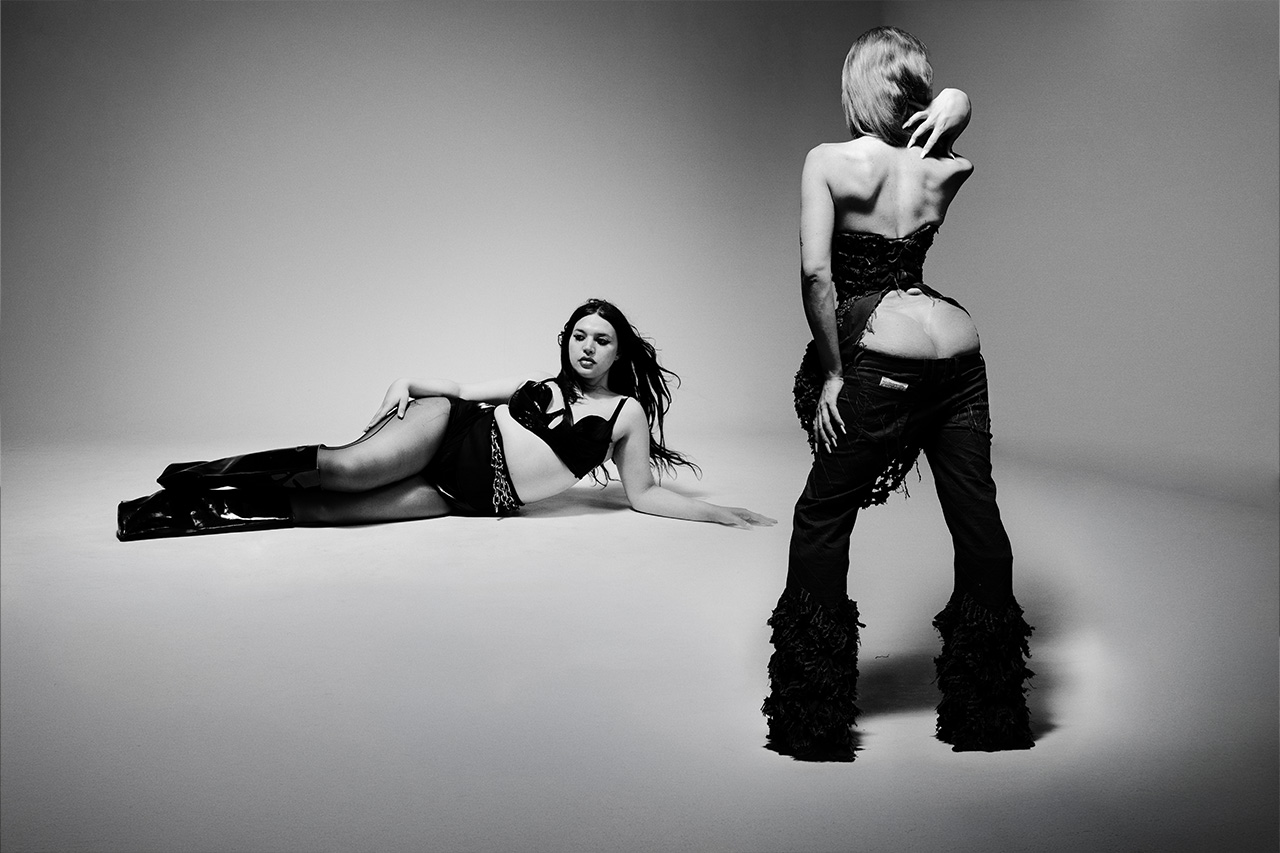
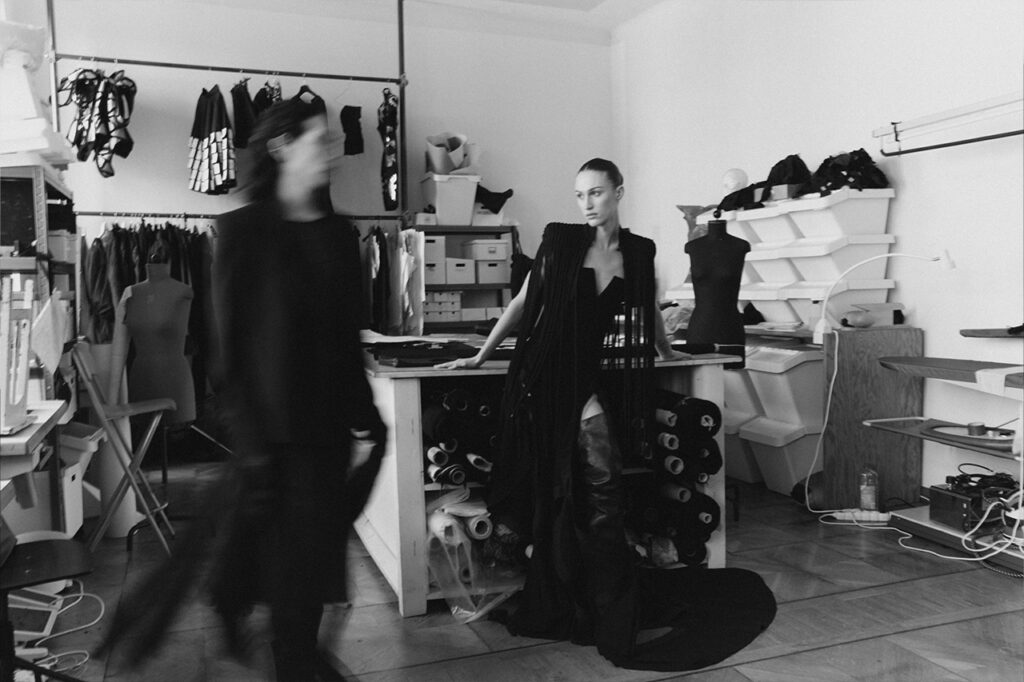
Masculina’s star has been steadily rising as the Copenhagen label continues to stun audiences worldwide with its bold, unapologetic designs, exploring queer – and especially trans – identity through lived experience. For an exclusive editorial created for Container Love, we sat down with Masculina’s founder, Alectra Rothschild, to talk about the label’s rapid growth, visibility and solitude, vanity and vengeance, and creating glamour in a world that can be both hostile and overwhelmingly beautiful.
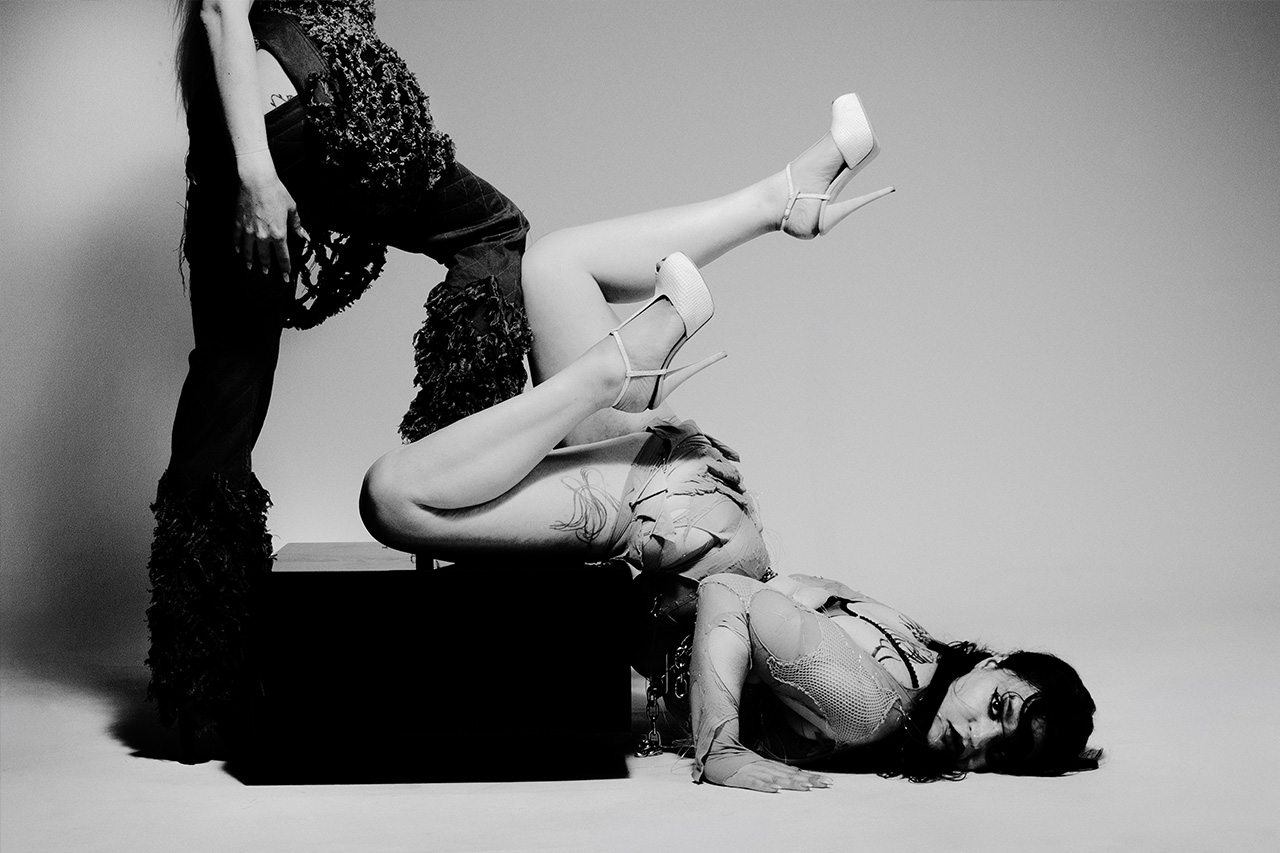
Photographer Feyd Angeles, Photo assistant and gaffer Virgil Winther Knudsen, Styling Alectra Rothschild, Models and H&MUA Alectra Rothschild & Conni Parks, Movement Director Thea Carla Schott, Team Masculine / Assistants Caroline Neltoft, Sako Dersahagian, Rafael Baeza, Bjørk Berg, Words Tom Veréb Czibolya
What has remained constant within Masculina despite the brand evolving so quickly in the past year?
I think performance is the answer. It’s the red thread running through all the presentations and shows, but it’s also the thing that has evolved the most. As the work has grown, the performances have become more ambitious and more layered. At the same time, the craftsmanship and the way we cut on the body have remained central too. The designs are very technique-heavy now, and naturally, that develops over time as you gain more experience and allow yourself the time to really deep-dive into construction and techniques.
After not showing since last January, we finally had the space to focus purely on craftsmanship without constantly stressing about the fashion schedule. That freedom changed a lot creatively.
Transformation feels deeply embedded in your work – not just aesthetically, but emotionally. How much does your own life experience shape that?
Completely. It has everything to do with my own experience. I think you should always speak from where you stand. I can’t speak for anyone else, so naturally, the work comes from my own life. The last collection was much more confrontational – an uproar against the society around me. The new work feels more introspective. It’s about my experience with transness itself, about existing in these bodies and examining that experience more closely. Of course, it still has everything to do with the world around me, because being in this body is always shaped by society. But now I want to zoom in on the experience itself.
Over the past few years, Masculina has gained significant visibility. How have you personally processed that?
I’ve become much more protective of myself. Visibility is a double-edged sword. It’s beautiful in many ways, but it’s also invasive. After the SS25 “You are wasted harem you are a star” show at The Hangar, the response became overwhelming. The show spread everywhere online, and with that came a lot of hateful messages. As a trans person who is outspoken, people always feel entitled to have opinions about my existence. After that show, I had to close my Instagram inbox completely because the messages became too intense.
Since then, I’ve dealt with it by focusing on my close community – my friends, my echo chamber, my girlies. Once you send work into the world, it takes on a life of its own. The only things you can really control are the space around you and the people you allow close to you.
Community feels central to Masculina. Your shows often feel less like traditional runway presentations and more like collective celebrations or rituals.
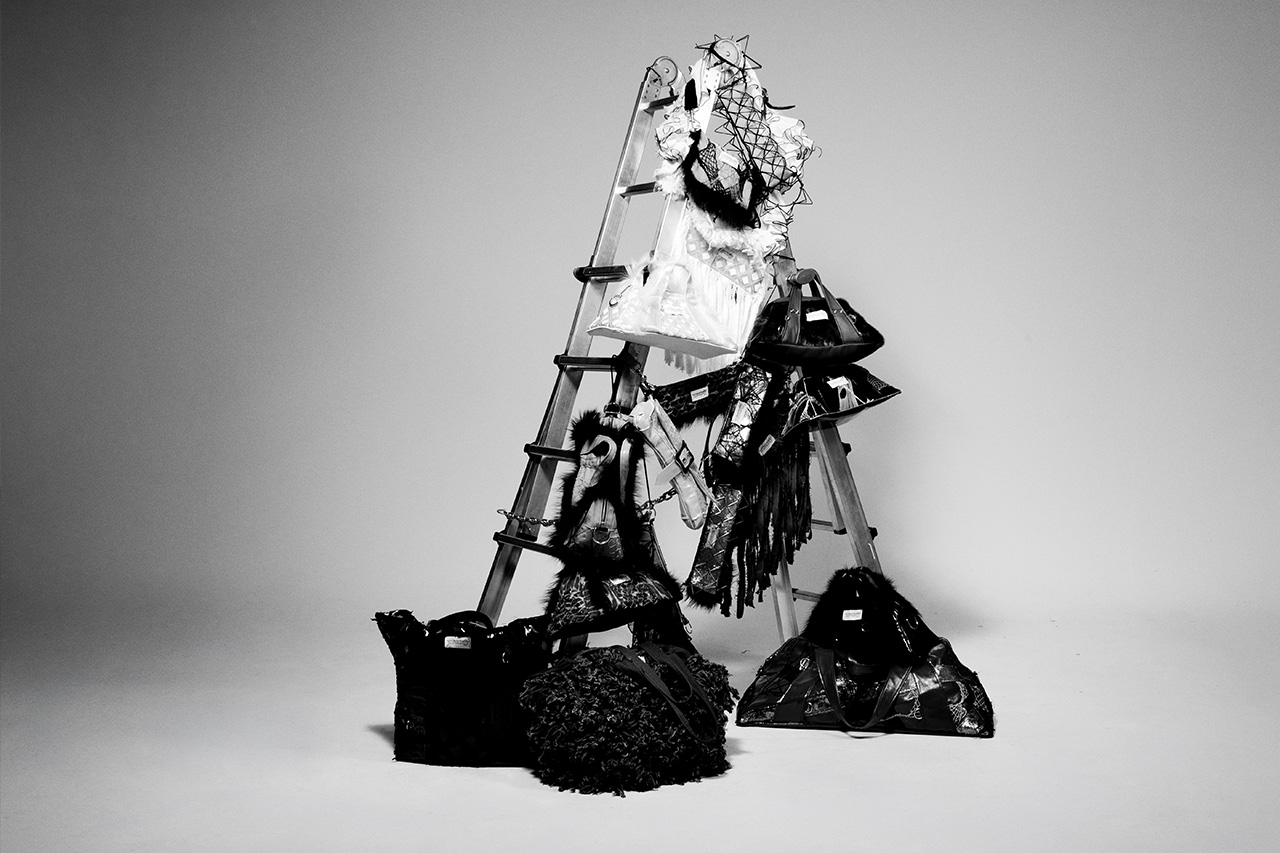
More than Community, I think collaboration is an inherent part of the process because I work so closely with my friends. During fittings, we constantly discuss how the garments are actually lived in – how they move, how they feel, what shoes they need, whether something should be shorter or longer.
The people wearing the clothes actively shape the garments themselves. Their experiences become embedded in the designs. Then there are the performers with whom the collaboration becomes much more emotional, more performative. We talk about the themes of the work, but I never direct them too heavily. I want their performances to come naturally to them. Whatever they are willing to give emotionally is what I need.
So much of your casting feels deeply personal rather than transactional.
That’s because most of the collaborations begin through real friendship. Usually, I get to know someone first, and only later do they become part of the work, naturally. Very rarely have I approached someone specifically for a show. Most of the time, it grows organically from connection, mutual friends, and trust.
What draws you toward certain people creatively?
People who are proud to be themselves. It doesn’t need to look any particular way – I just respond to authenticity.
Your work exists in a constant tension between glamour and confrontation, beauty and restriction. What makes that contrast so appealing to you?
I think life itself is full of tension. Restriction and freedom always exist next to each other. Glamour and pain can coexist. Beauty and discomfort can coexist. That contradiction is simply part of existence.
Even technically, the garments often reflect that tension. Sometimes the restriction itself becomes part of the performance. For the last show, Cassie [Augusta Jørgensen] opened wearing extremely high heels and a tiny corset while delivering a monologue. The physical restriction shaped the way she moved and performed. The clothes can either support the body or actively work against it – and both possibilities interest me.
Beauty also feels like a recurring theme in your work, especially in relation to transness and visibility.
I always think about something Arca once said: “Is beauty my vanity or my sanctuary?” For me, it’s both. Beauty can absolutely be vanity, but it’s also a sanctuary. Doing my makeup, getting dressed, doing my hair – those are things I do for myself. That’s where I feel safest and most whole.
At the same time, my beauty offends certain people. That’s simply reality. But I don’t see it as offensive at all. Sometimes glamour can even become a kind of weapon or a form of defiance or even vengeance. And honestly, vengeance can be a very productive emotion. I’ve always believed it’s more productive to turn sadness into anger because anger is active. It pushes you forward and acknowledges that something is unfair.

Do you see your work as a form of activism?
Sometimes. But I don’t think everyone needs to become activists, but people should absolutely be allies. When your work comes from lived experience, there’s urgency to it. That’s what I hope people leave my shows with – urgency. I hope they understand the importance of these conversations and maybe turn that feeling into small actions in their own lives.
Looking forward, where do you want Masculina to go next?
I really want to bring Masculina further abroad. Showing in New York and being able to connect with other creatives there would definitely feel like a milestone. Right now, we’re developing the new collection with the working title “A Transsexual Choreography” or maybe “Doll Parts,” which we are showing at Copenhagen Fashion Week with a runway show. Creatively, things finally feel very aligned. We already have several looks finished, and I’m excited about where the work is moving now.
Read more Related Posts
Check out more categories