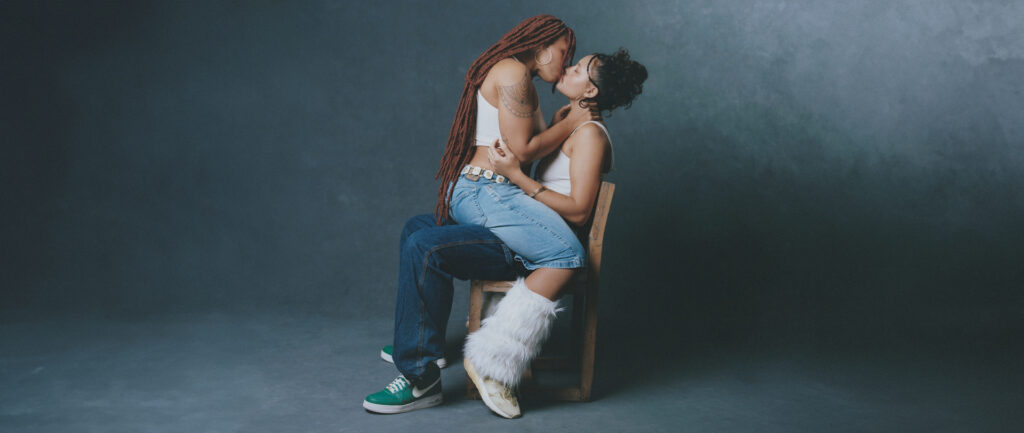
Giuseppe Futia: Love Means Showing Up
Words Tom Veréb Czibolya
Photography Serhii Vasyliev
Breakout star of Netflix’s La Dolce Villa, Italian actor Giuseppe Futia represents a generation that refuses outdated labels, blending softness with intensity, art with identity, and love with ambition. Living in New York and working across film, fashion, and commercial storytelling, identity becomes a moving target shaped by love, challenge, and relentless curiosity. After shooting his Container Love editorial with photographer Serhii Vasilyev and stylist Daniel Martinez, we sat down with Giuseppe to talk about roles that shift the self, stereotypes worth breaking, and what it truly means to choose excitement over expectation.
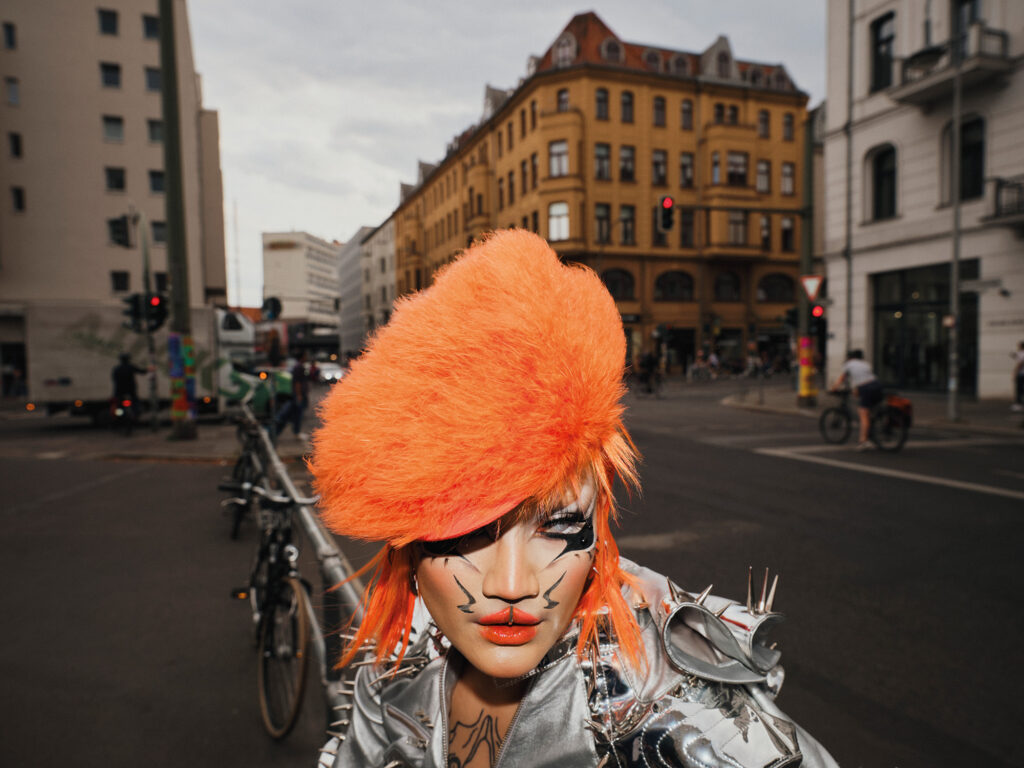
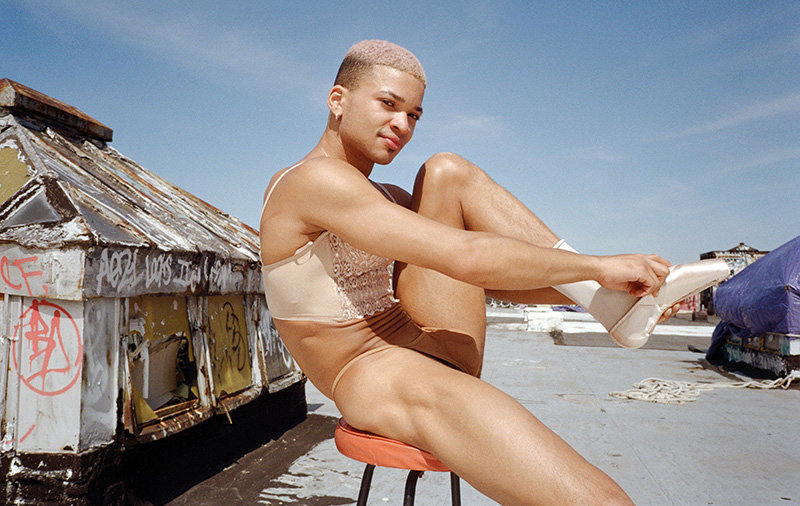
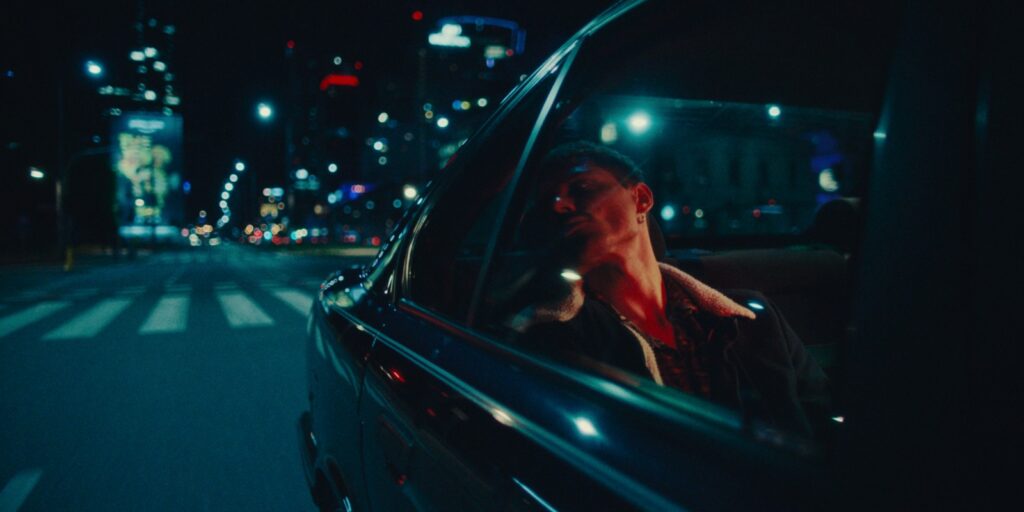
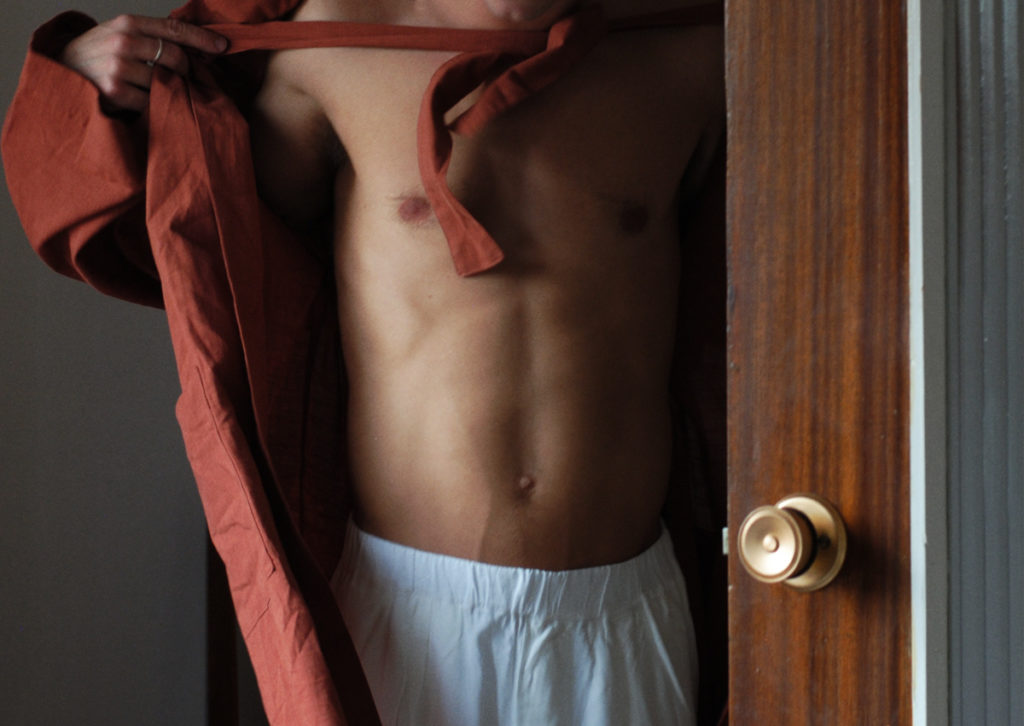
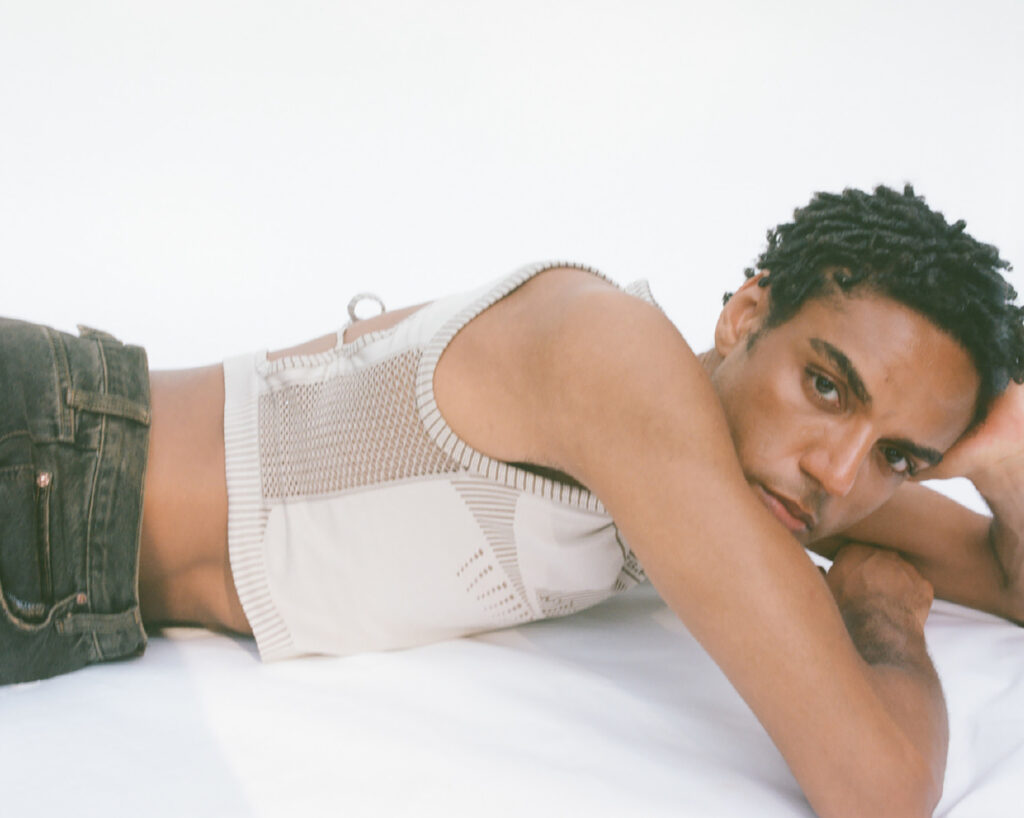
Photographer Serhii Vasyliev, Creative Direction & Styling Daniel Martinez, Talent Giuseppe Futia, Styling Assistant Emily Rivero, Make-up Artist Dalí Diaz, Brands Ciento Cinco Lunares, Raw, Cry Baby Craft, Flavante, Ternurx, Mecheo
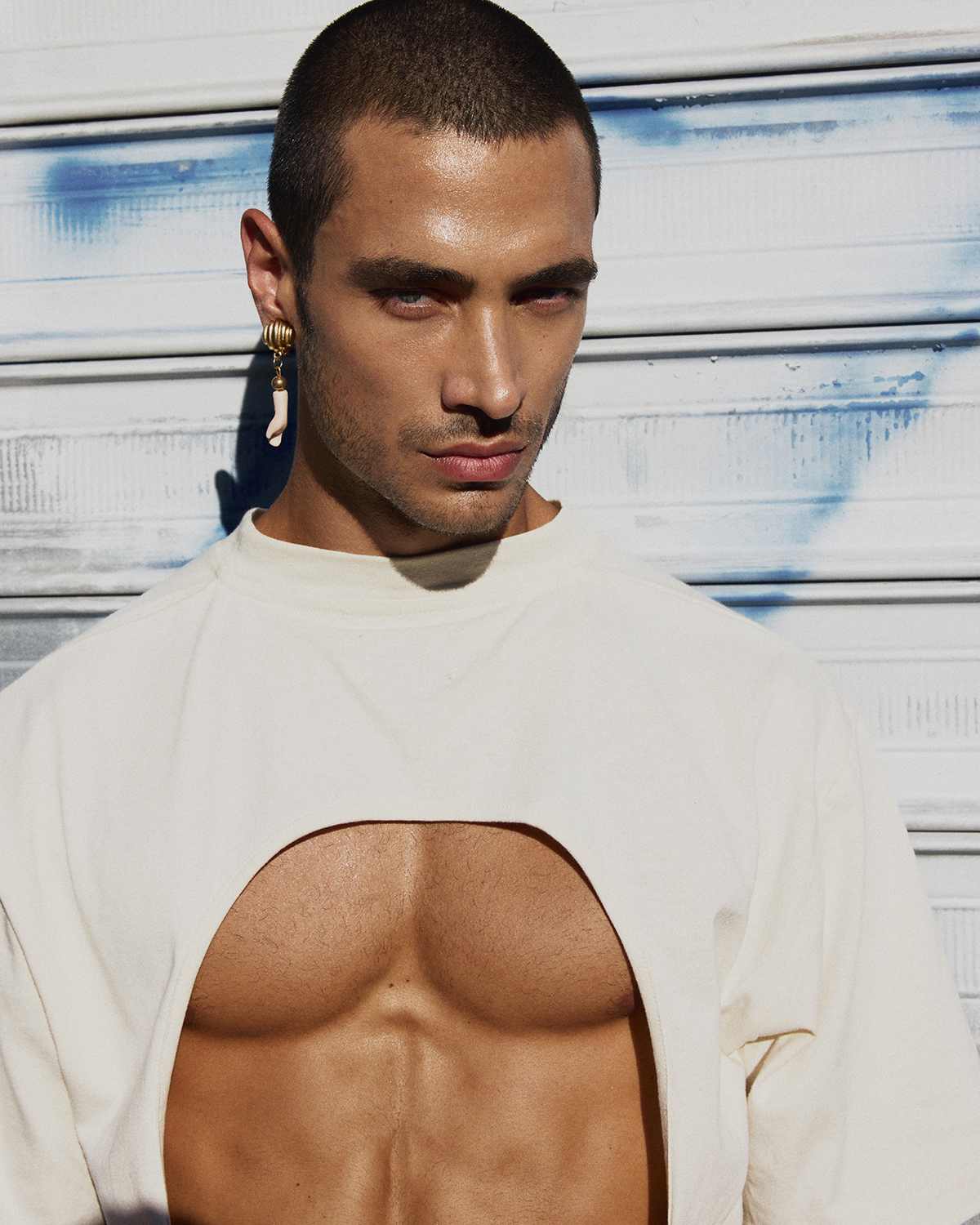
Shirt Raw, Accessories Cry Baby Craft
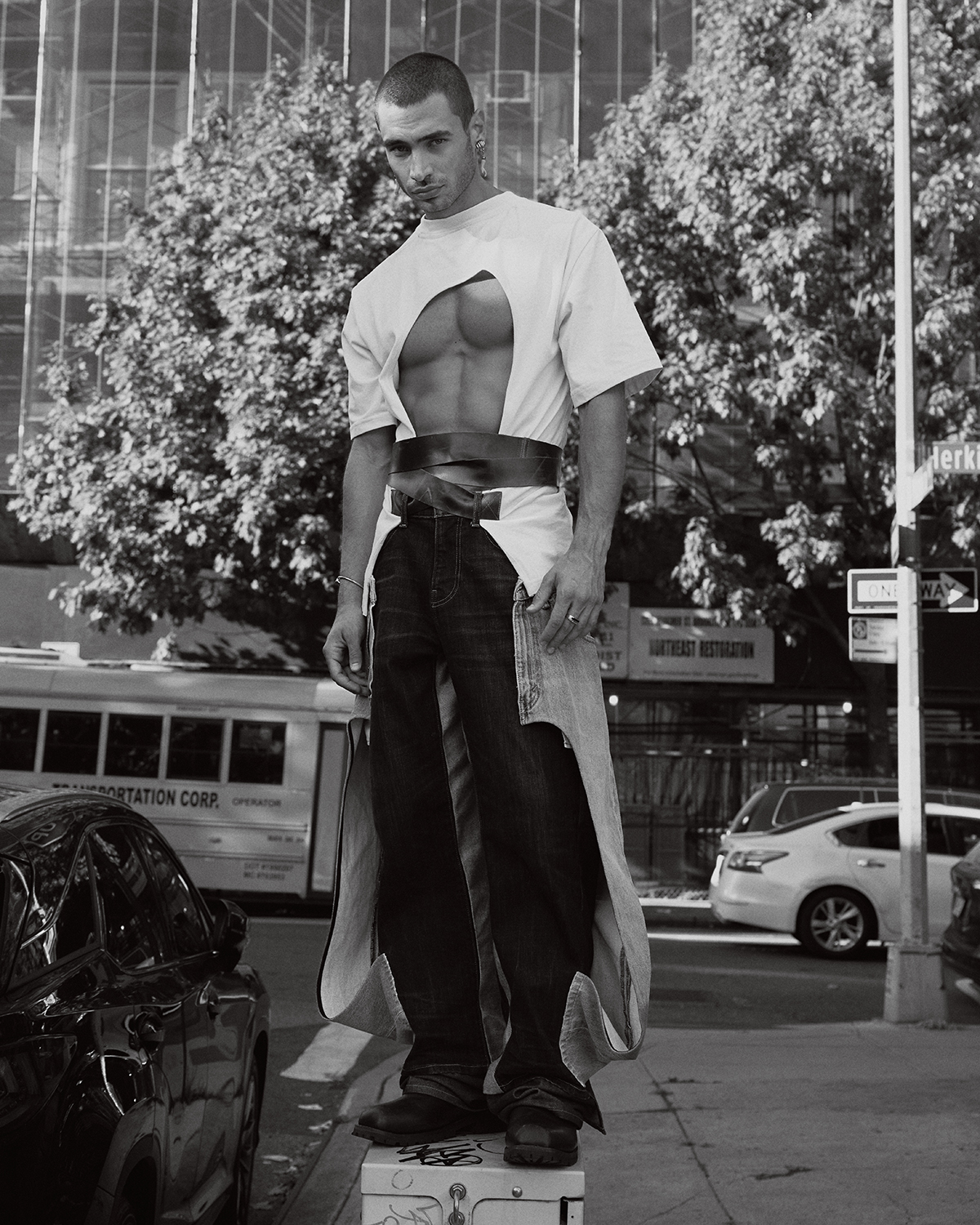
Shirt Raw, Pants Flavante, Accessories Cry Baby Craft
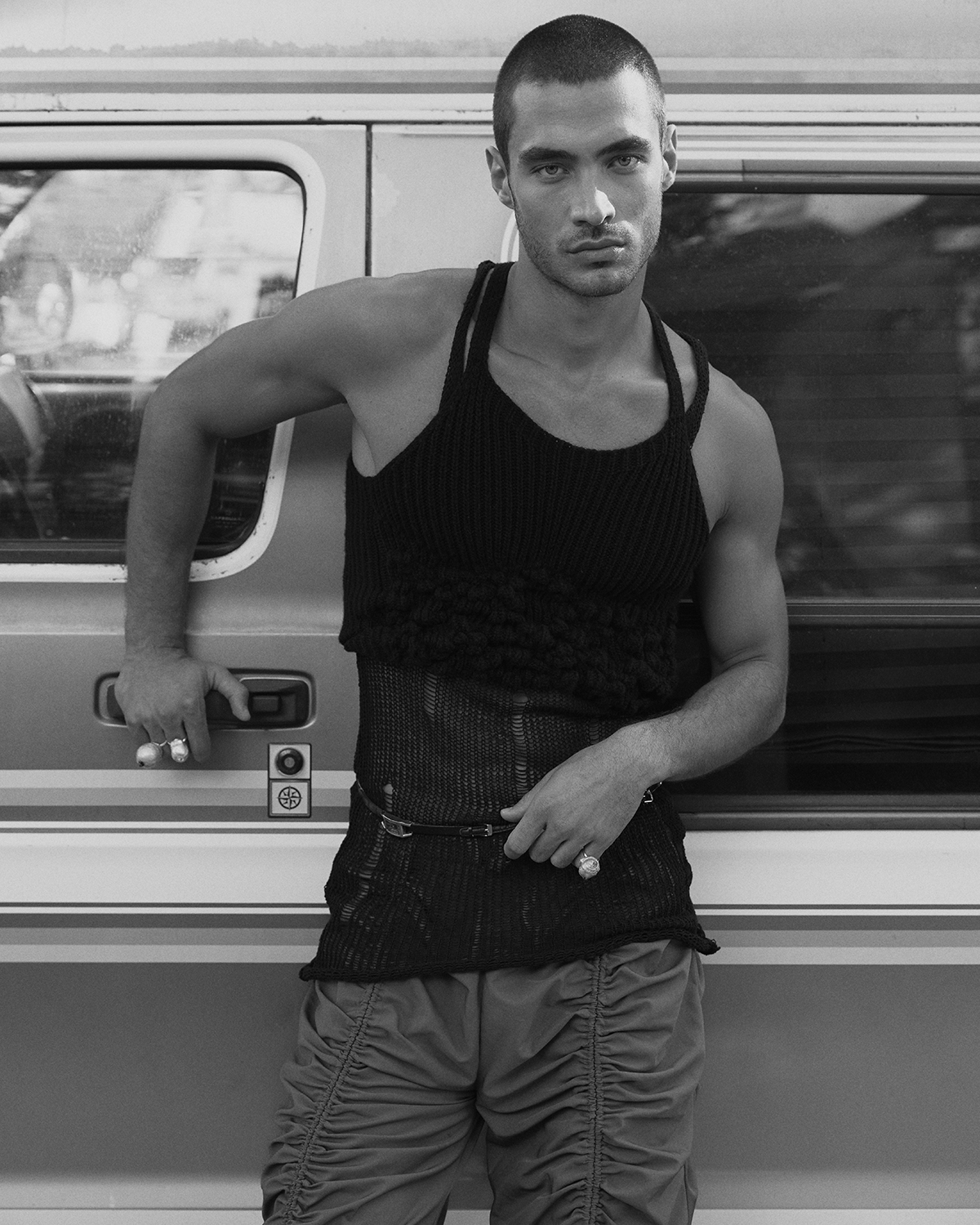
Tops Ciento Cinco Lunares & Raw, Pants Flavante, Accessories Cry Baby Craft
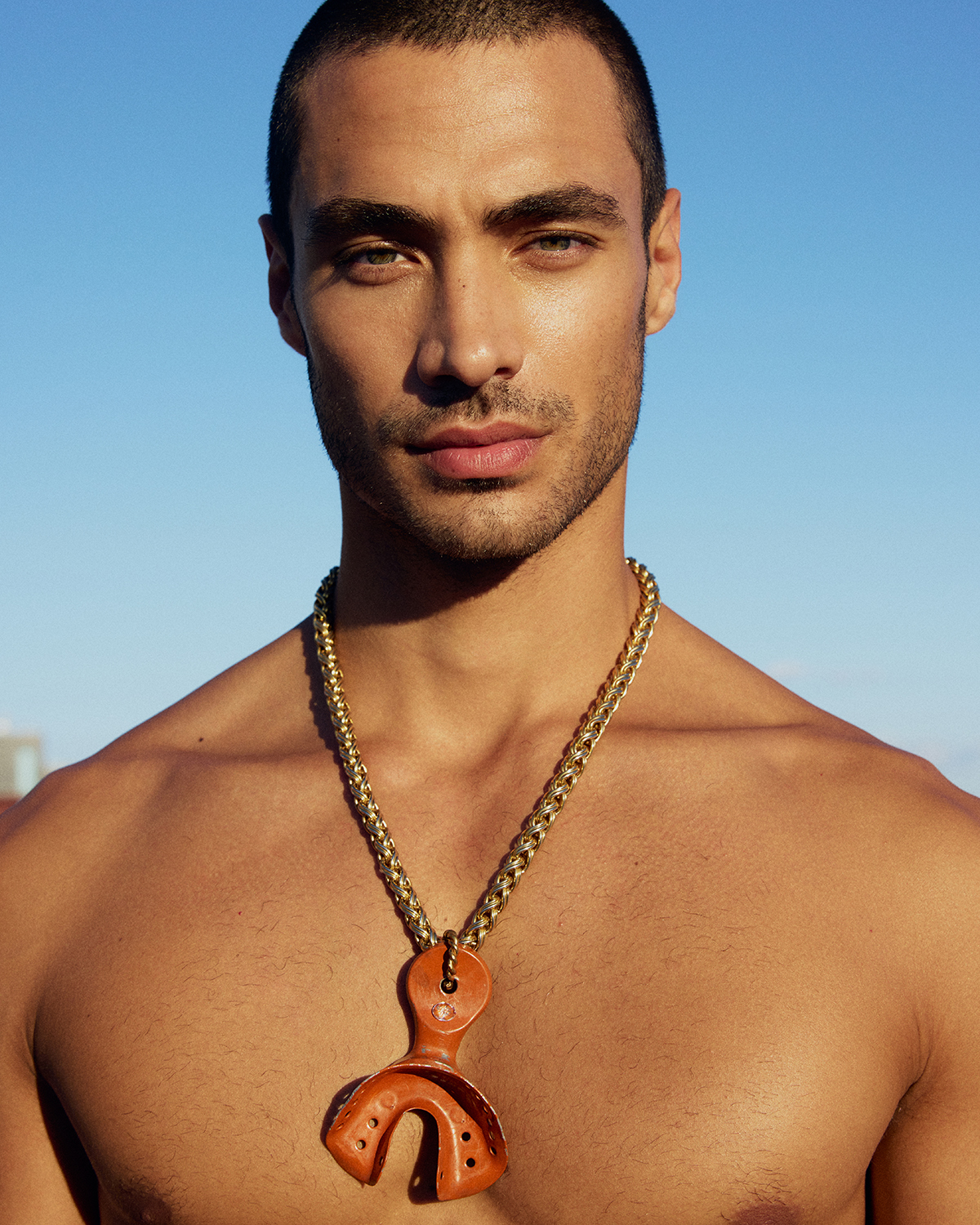
Accessories Cry Baby Craft
You’re still very early in your filmography, which means your identity as an actor is actively forming. How has acting helped you understand who you are – not just professionally, but as a person?
There’s a quote from Tilda Swinton that I love, and I think it answers this perfectly. She once said that acting is great because, first of all, it reminds her that she has a soul – that she is a soul. And that’s exactly what it does for me.
For anyone who truly loves this job, acting reminds you that you exist, that you can be anything you want. And that’s crucial. It means you can experience all the fun, all the melodrama, all the intensity you want. People say that reading allows you to live many lives – acting does the same. It’s the possibility of living endless experiences I might never have access to in any other job. It also brings you closer to yourself. To your identity. It forces you to listen.
Has there been a role that quietly shifted how you see yourself – your body, or the way you move through the world?
Yes. I played a goalie in an Italian film, U.S. Palmese, directed by the Manetti brothers, who I really admire. It was a small role, but very meaningful to me. Growing up in Italy, you’re basically expected to love soccer. I didn’t. I was bullied a lot, and I asked my coach to make me a goalie so I wouldn’t have to interact with the others as much. Which wasn’t very smart, because suddenly everything depended on me.
In the film, the goalie is the hero of the team. He saves everyone – so much so that they beg him to come back. While shooting, I had to put aside all those old feelings of being a loser. I even told them, “I can throw myself on the grass heroically, but I can’t actually play.” But that was the point. I had to go from seeing myself as weak to seeing myself as a hero – even if only for a short time. There were real soccer players on set, laughing at me. I had to ignore that and think: They want me. I’m good. I’m the hero.
It was scary and fun at the same time. And those two things often come together in acting – that’s something I love.
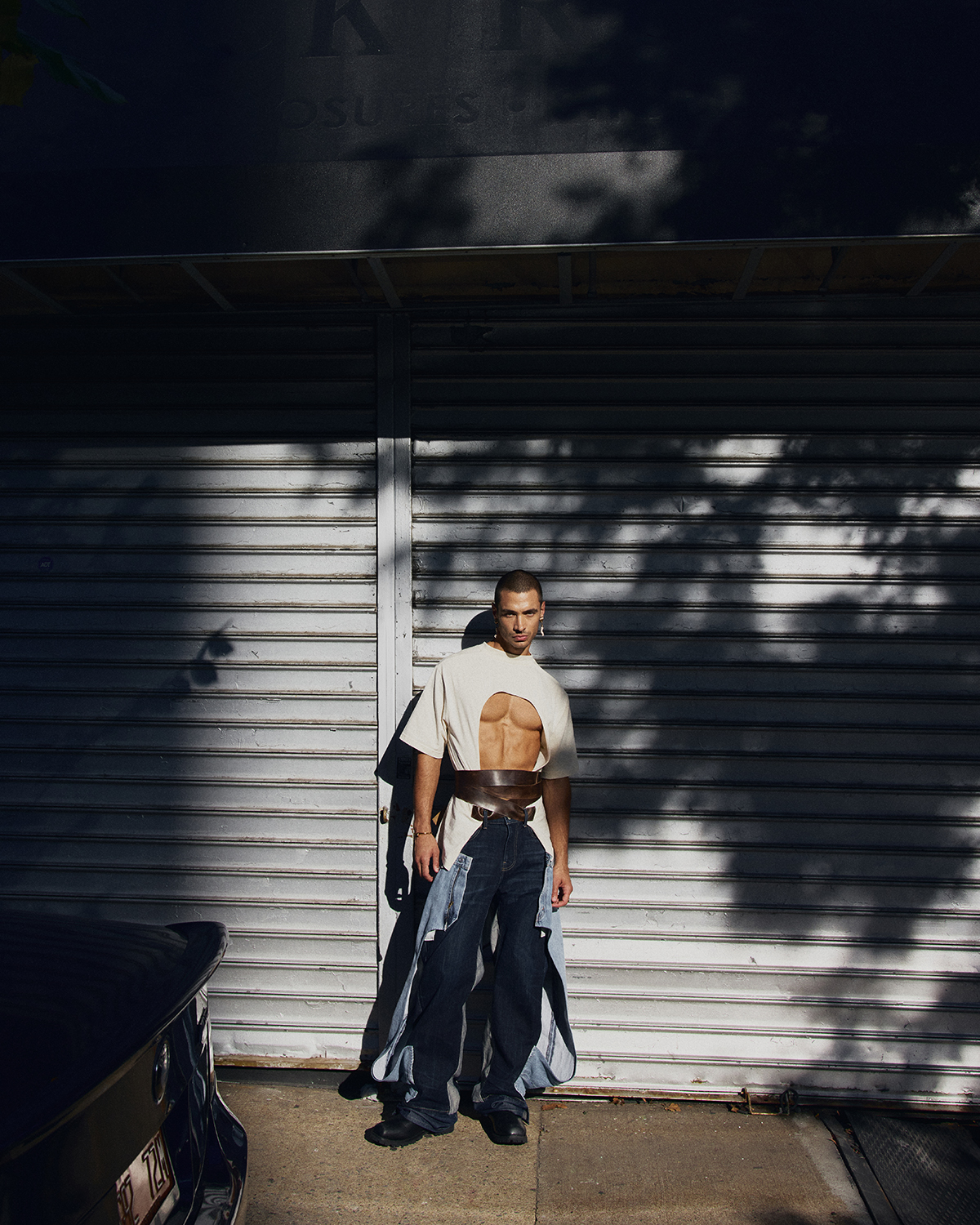
Shirt Raw, Pants Flavante, Accessories Cry Baby Craft

Shirt Raw, Pants Flavante, Accessories Cry Baby Craft
Coming from Italy, you inherit very specific ideas of masculinity and beauty. Which stereotypes are you most eager to dismantle?
I was thinking about this a lot before the interview. Especially about the PR image actors are expected to present early in their careers – how you’re supposed to “sell yourself.” I think kindness and softness are finally becoming more acceptable for male actors. And I want to put that forward. The idea that you can be sexy and masculine while also vulnerable and soft – because I am both. You don’t have to choose.
You move fluidly between acting, fashion, and commercial storytelling. Do you see these as separate identities, or one evolving narrative?
In my earlier years, I thought I had to choose. I felt guilty about modeling when all I wanted was to act. Eventually, I learned to let that go and take the good from each experience. In Italy, we say tutto fa brodo – everything makes up the broth. I don’t have to change myself to fit a modeling stereotype or an acting stereotype. I just take what’s useful and move on.
That also shaped where I live. I thought LA was the answer, but I ended up in New York because it feels more European. I’m closer to theater, closer to Europe, and I was able to complete an acting conservatory there last year. I try to focus on what’s good for me, not on what I’m “supposed” to be doing.
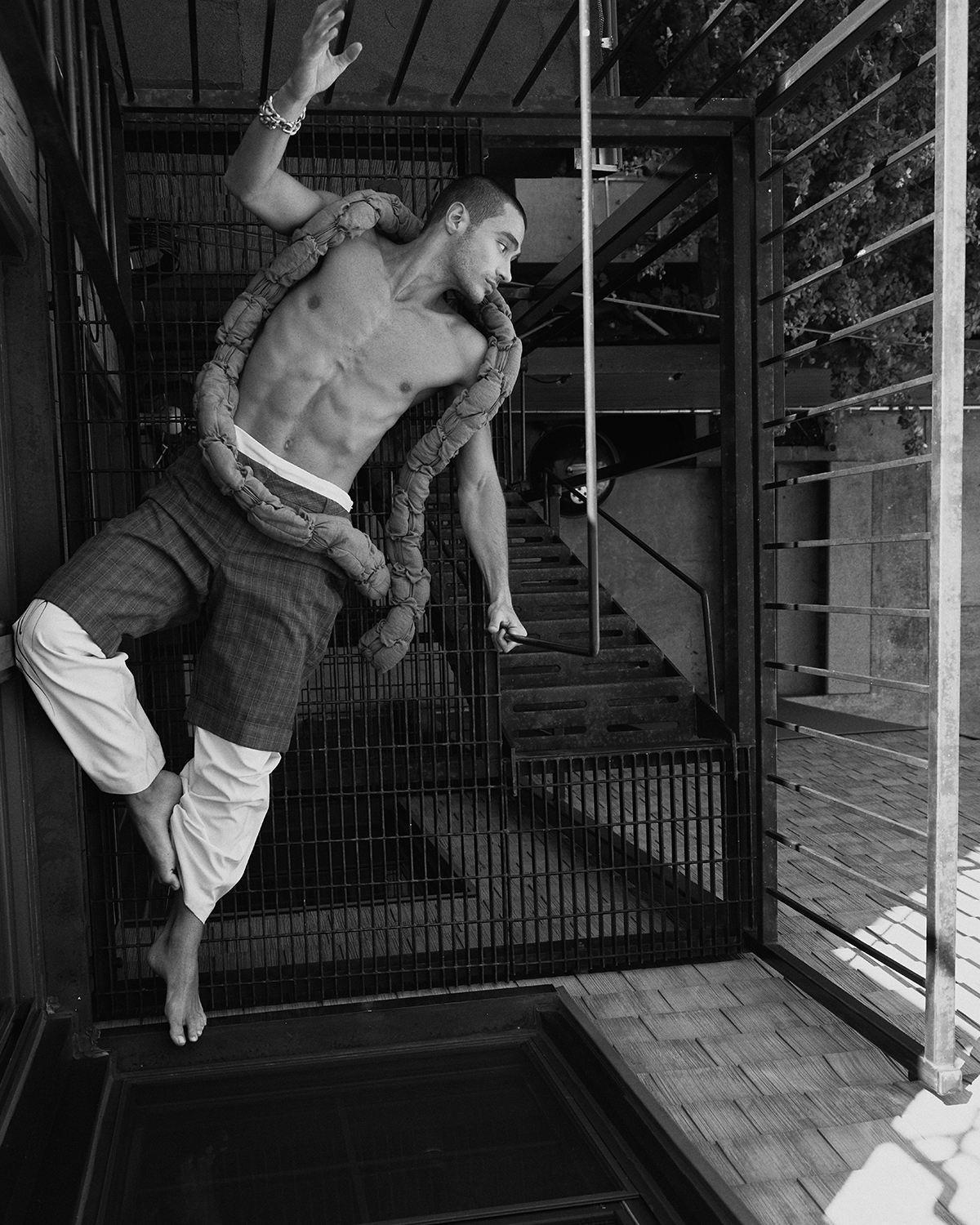
Scarf Ciento Cinco Lunares, Pants Ternurx
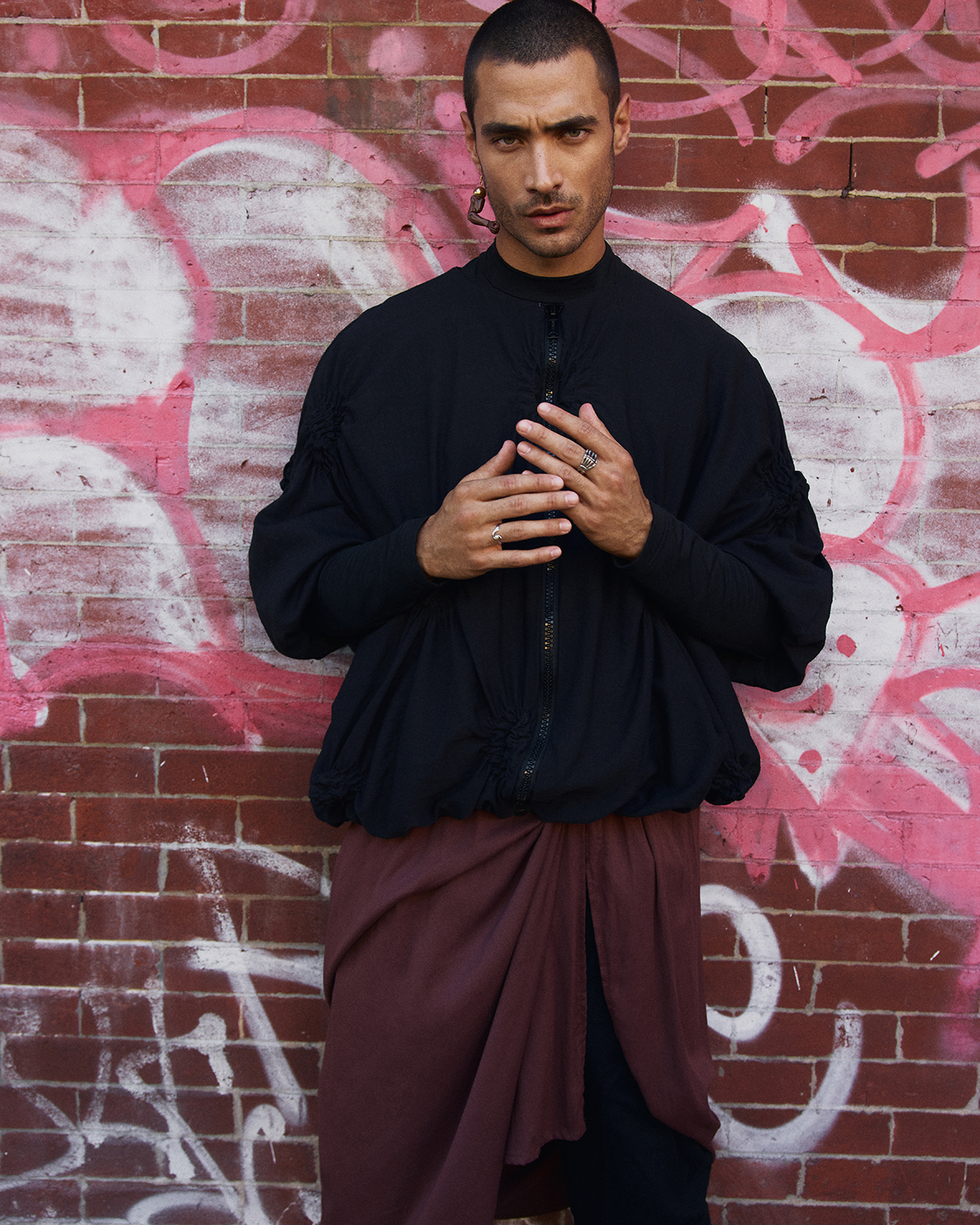
Top Ciento Cinco Lunares, Skirt Ciento Cinco Lunares, Accessories Cry Baby Craft
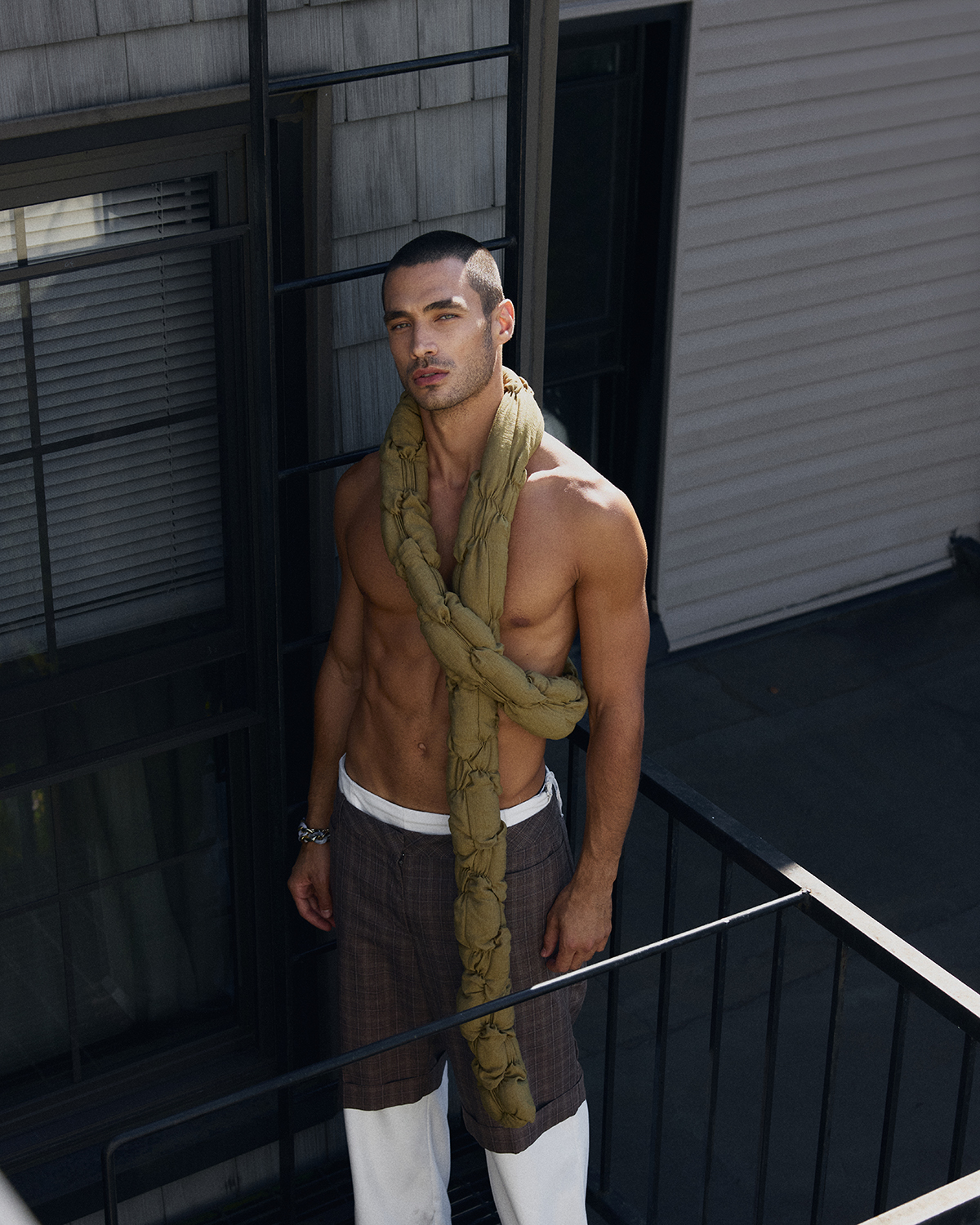
Scarf Ciento Cinco Lunares, Pants Ternurx
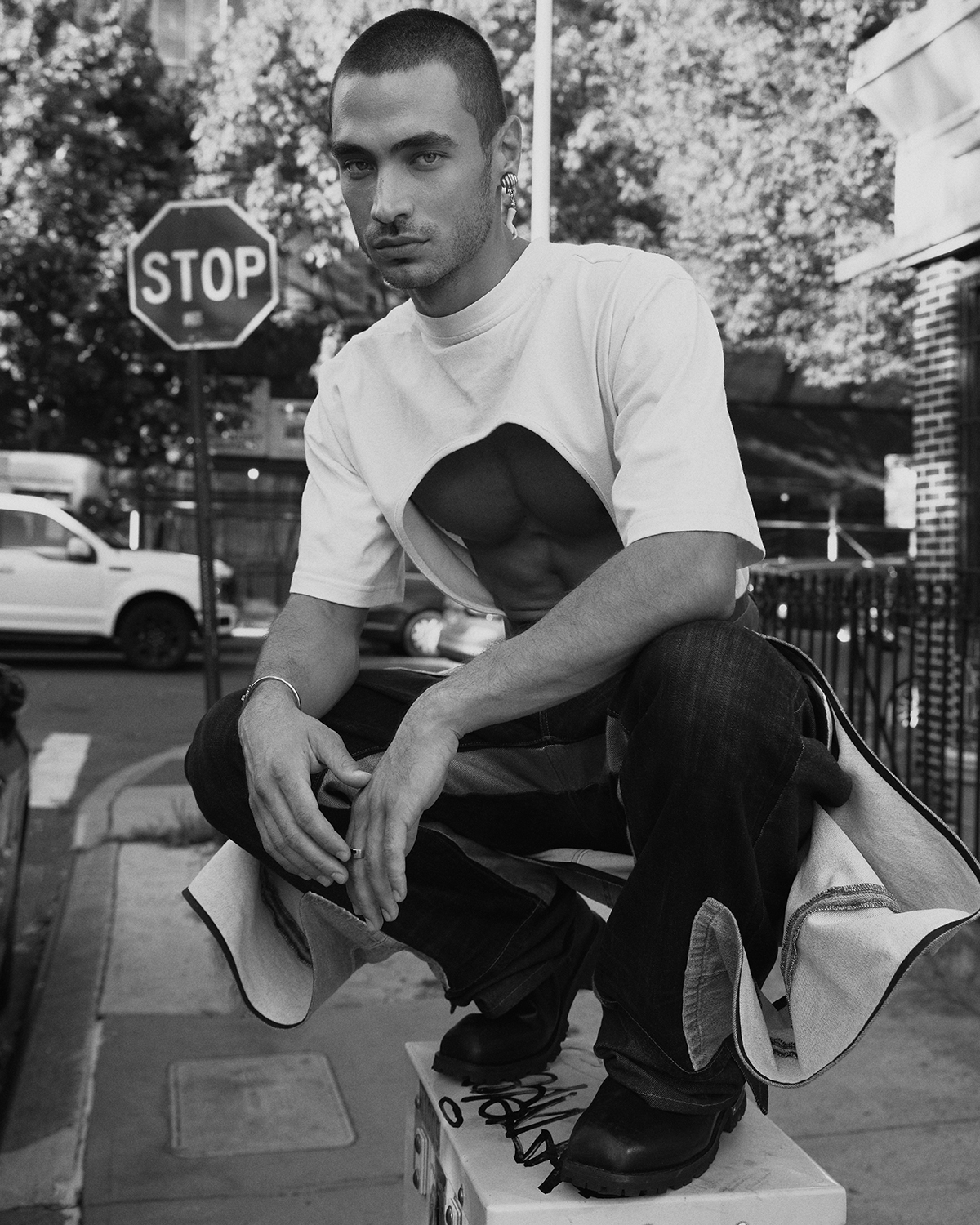
Shirt Raw, Pants Flavante, Accessories Cry Baby Craft
How important is image-making – clothing, styling, fashion – in shaping the narrative people project onto you, and the one you choose to claim for yourself?
Working in fashion made me very aware that the way you present yourself already tells a story. That said, I’m actually very private. I don’t try to push a constructed persona. Modeling is modeling. Acting is acting. I stay away from building a fixed image because it can stick to you.
I know it’s easier to sell someone if they fit a clear concept – “Italian macho,” for example. But that’s counterintuitive to acting, which is about becoming anything.
PR can come later.
Do you ever fall in love with the characters you play? What happens when the project ends?
Absolutely. You have to fall in love with them – it’s the only way to do them justice. You empathize, you make them real. In a way, they are real people — ones who existed, or could exist, even if nobody knows about them. And yes, when it ends, it’s painful. I cry every time. Sometimes with my castmates, sometimes alone in my room. But it’s a cycle. It’s supposed to end.
Every project changes you. You’re never the same person you were before stepping onto that set.
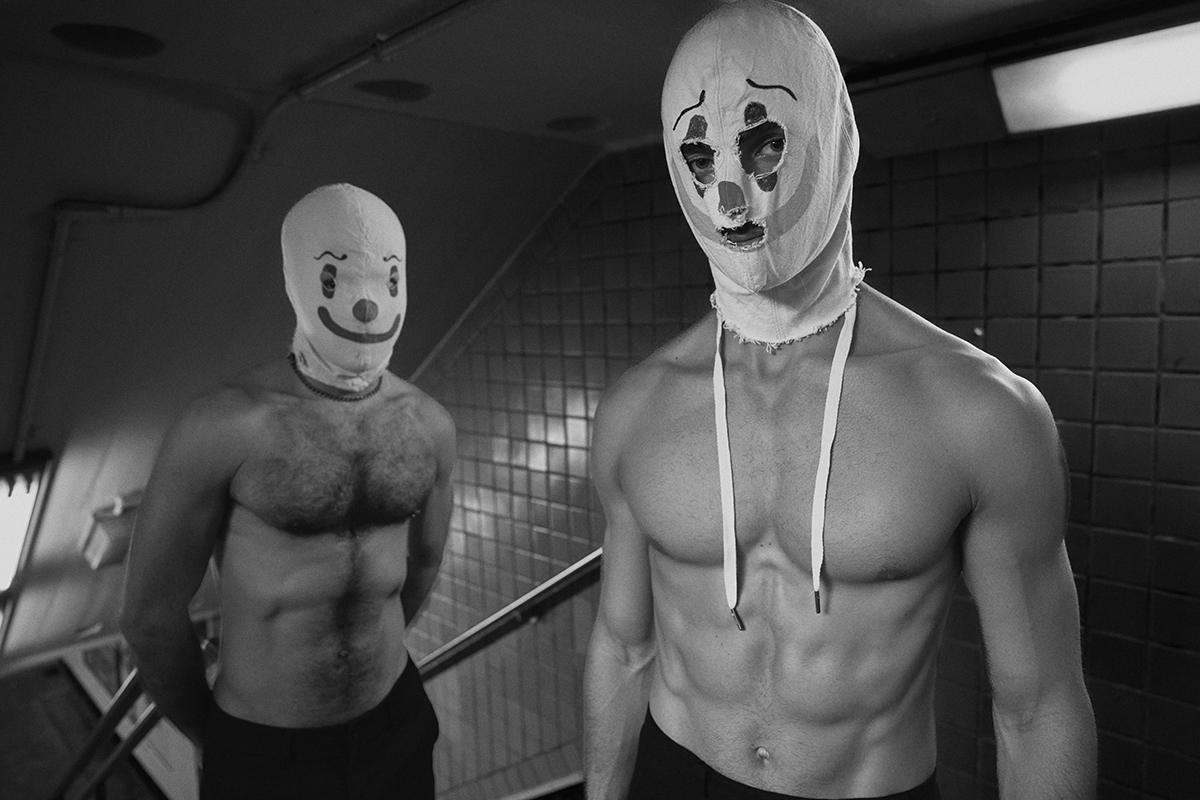
Accessories Mecheo
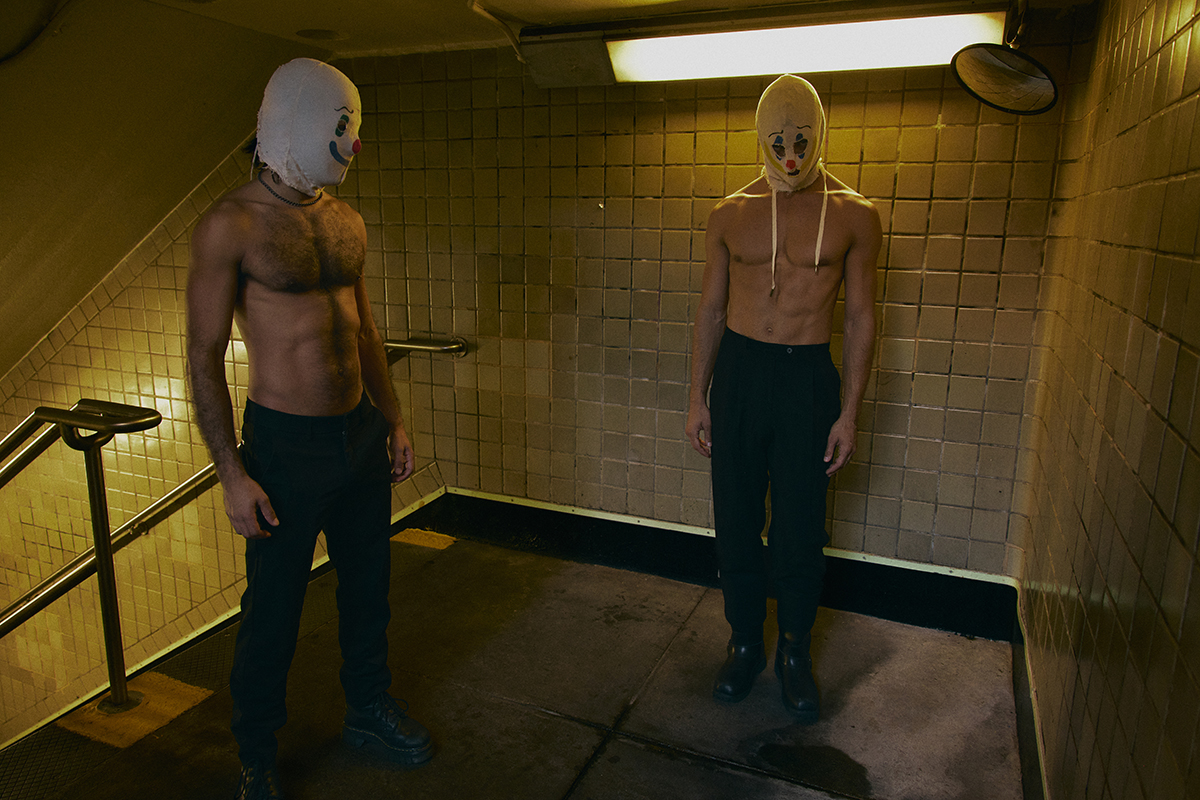
Accessories Mecheo
For this Container Love Special: what does love mean to you right now – emotionally, creatively, maybe even politically?
The first word that comes to mind is excitement. If I love a person, I’m excited to see them. If I love a project, I’m excited to dive into it. If I love a political movement, I’m excited about the change it can bring.
Do you believe love makes you a better actor, or simply a more exposed human being?
Honestly, at the risk of sounding cliché: all you need is love. Love makes you come alive. It gives you energy, nerves, jitters. It’s the engine behind everything. When you do something without love – when it’s just obligation – it shows. It doesn’t feel good to watch, and it doesn’t feel good to do.
Has love ever influenced your creative decisions in unexpected ways?
I think of this audition I had with Paolo Sorrentino. The day before, I had an absolutely disastrous date – screaming in the streets, total chaos. I thought: I have two choices. Either I let this destroy me, or I use it. I didn’t get the role, but the casting director remembered me. They kept calling me after that. I used the desperation. I had no energy left to be fake. I just showed up as I was. And sometimes, that’s when acting works best.
If you could choose one love story to tell one day – without thinking about marketability – what would it be?
When I was a kid, we went on a school trip to Rome and learned about Emperor Hadrian. He went to Greece and brought back a young man who started as a slave but became his lover. They lived together. When the man died, Hadrian was devastated – his life was never the same. This was a warrior, an emperor. No one could question his masculinity or strength. And yet, he loved another man deeply.
I’d love to tell that story. I still don’t understand how no one has made a film about it.
Read more Related Posts

Check out more categories